


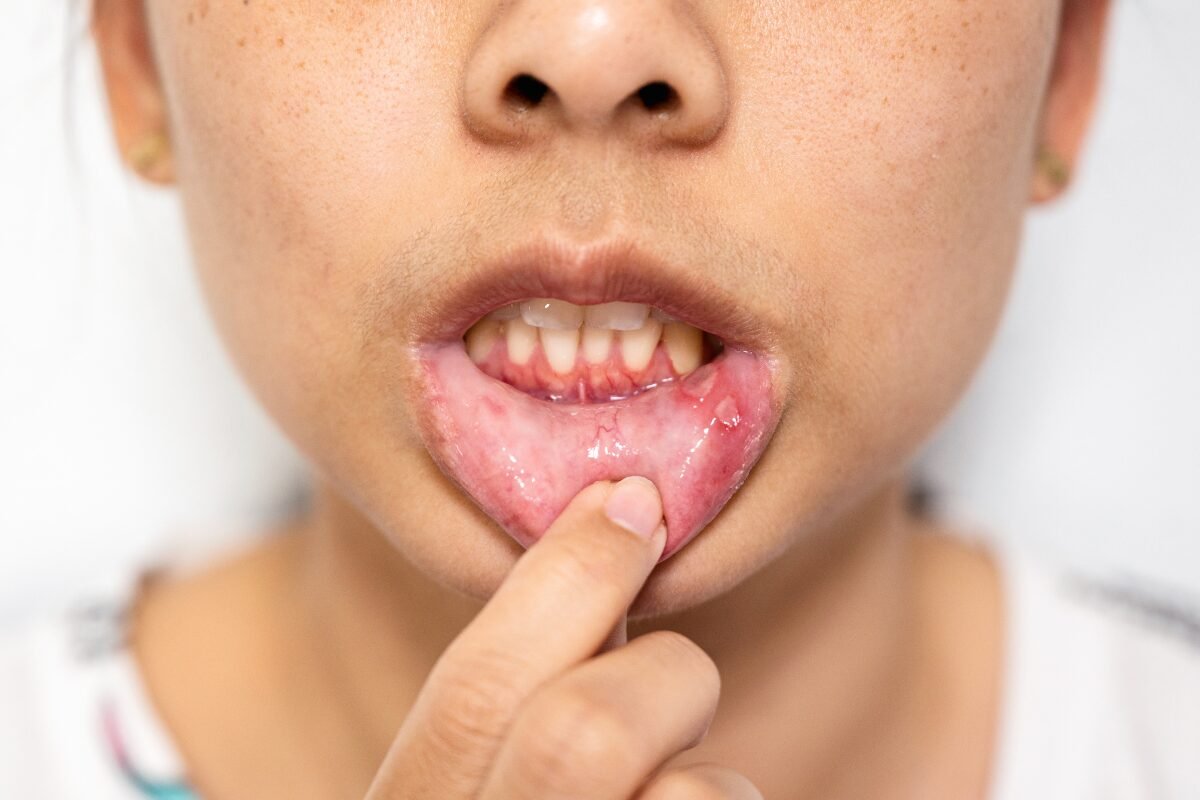
Children frequently experience allergic reactions when their immune systems respond to otherwise harmless environmental substances. Some of the most common allergies in kids include sensitivities to pet dander and mold spores. Food allergies, such as those to peanuts, dairy, or shellfish, are also prevalent in pediatric populations. When a child encounters these triggers, they may experience nasal congestion, sneezing, itchy eyes, or skin rashes. Common childhood allergies include pollen and dust mites, and these triggers can cause significant discomfort for your child. A variety of remedies exist to help manage these symptoms. These options range from simple environmental changes at home to accessible pharmacy products and professional medical care.
Over-the-Counter Medications
Pharmacies offer several products that can help manage mild to moderate allergies in children. Check the label closely and confirm you select the right dosage for your child’s age and weight. Oral antihistamines, available in liquid, chewable, or pill form, are commonly used to address sneezing, itching, and a runny nose. Nasal corticosteroid sprays may be recommended to target nasal inflammation and congestion, providing relief directly at the source. Decongestants are sometimes given for short-term use when symptoms are especially severe. Specially formulated allergy eye drops can help flush allergens out of the eyes and reduce itching. Before introducing any new medication, consult with a pharmacist or your child’s primary care provider to make certain it is suited to your child’s specific needs.
At-Home Remedies
Modifying your child’s environment is a practical approach to minimizing allergen exposure. By reducing allergens in your home, you can often decrease the frequency of your child’s symptoms.
Try implementing the following household practices:
- Use Air Purifiers: High-efficiency particulate air (HEPA) filters capture microscopic particles such as dander, pollen, and dust from indoor air.
- Keep Windows Closed: During high pollen seasons, relying on air conditioning rather than open windows prevents outdoor allergens from entering the home.
- Encourage Evening Baths: Bathing your child before bed helps wash away pollen accumulated on their hair and skin throughout the day.
A basic saline rinse is a gentle way to manage nasal symptoms. Saline drops help clear the nasal passages of pollen, but use sterile water for the mixture.
Medical Intervention
When environmental modifications and standard pharmacy products do not adequately control your child’s symptoms, it may be time to consult a healthcare professional. An allergist or pediatrician can offer targeted strategies based on your child’s specific triggers. Over-the-counter options provide temporary relief, yet long-term management often requires professional medical guidance. Medical interventions may involve conducting allergy testing, such as skin prick tests or specific blood tests, to identify the substances triggering your child’s immune response. Based on the results, a physician might prescribe stronger antihistamines, specialized nasal sprays, or inhalers to help manage respiratory symptoms if present.
In some cases, immunotherapy may be recommended. This treatment is commonly known as allergy shots or sublingual drops, and it can help build your child’s tolerance to certain allergens over time through gradual exposure. For severe allergies, healthcare providers can also create an emergency action plan. This plan typically includes a prescription for an epinephrine auto-injector and detailed instructions for responding to anaphylactic reactions.
Ask About Pediatric Allergies Today
Managing a child’s allergies requires consistent observation and a structured plan. If you notice persistent cold-like symptoms, recurring skin irritations, or respiratory difficulties after exposure to certain environments or foods, professional evaluation is the next step. Reaching out to your child’s healthcare provider allows you to discuss specific concerns, and you can develop a comprehensive daily management strategy. Schedule an appointment with your pediatrician to ask about pediatric allergies today.



Leave a Reply