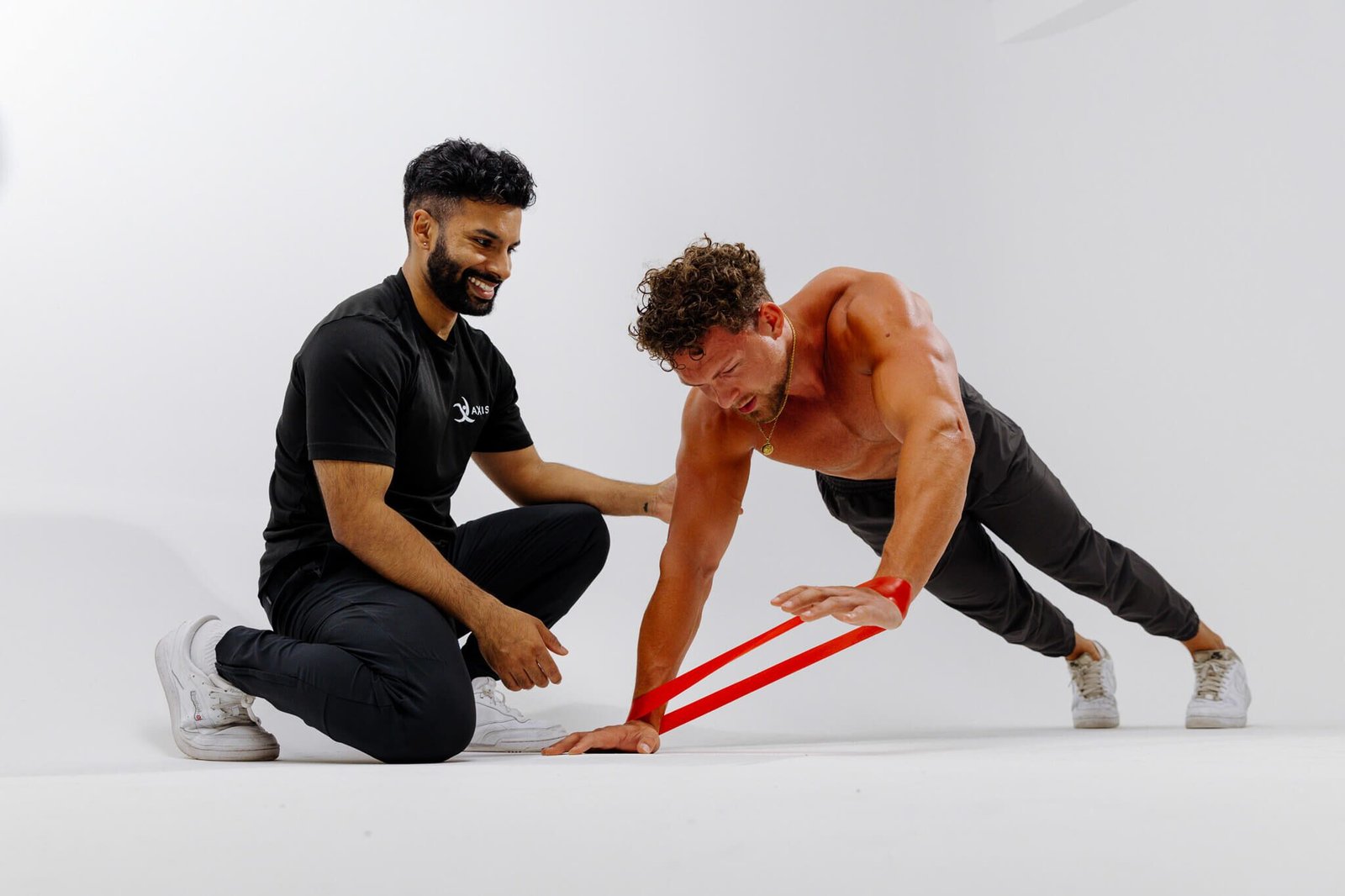
Exercise offers many health benefits for your body. You want to stay active, but injuries can stop your progress. When you train incorrectly, you can strain muscles. Because personal training techniques matter, experts design safe routines, and they monitor your form.
Strategies for Safe Exercise
Returning to the gym requires careful planning and patience. Your muscles need time to adapt to increased activity. If you rush back, recovery can take longer than expected. Personal training creates structured exercise programs tailored to your current abilities. They assess your baseline by evaluating your range of motion, strength levels, and any existing discomfort or prior injuries. Your trainer sets realistic goals, and they help you start at a safe intensity and progress gradually.
Trainers often recommend starting with lower-impact activities before returning to higher-impact workouts. This approach helps your body adapt safely, and it reduces the likelihood of strain. While you rebuild strength, trainers adjust loads and track your progress, noting improvements at each session. If you experience pain or discomfort, they modify exercises right away, helping you avoid setbacks. Clients may worry about losing fitness during breaks, but a personal trainer helps rebuild their skills with caution and care. Trainers explain why some exercises should be avoided at first and suggest alternatives that protect vulnerable joints or healing tissues. They provide encouragement, monitor your response to each workout, and advise you on proper recovery methods. This supportive structure aims to reduce your chance of injury.
Plans for All Ages
Everybody moves differently, and recognizing differences is key to fitness planning. Since everyone is unique, trainers customize workouts. Trainers teach movement thoroughly. Adults who sit much of the day benefit from exercises that build core strength and protect the lower back to address postural weaknesses. Proper training accommodates different ability levels, and it respects physical limitations without discouraging participation. You may build strength for independence, improve balance, and reduce fall risk. Trainers teach correct form to individuals with disabilities or chronic conditions, making adjustments so everyone can participate safely. Trainers observe your response to each workout, and they adjust routines based on your progress. They guide props, modify movements, or suggest machines for extra support.
Collaborations with Professionals
Complete wellness requires a team approach. Trainers teach fitness, but therapists handle medical rehabilitation. When these experts work together, healing is supported. Personal trainers partner with physical and occupational therapists to develop safe exercise programs for clients. They share health data, discuss limitations, and make sure all activities support recovery and wellness goals. A client recovering from a shoulder injury may have their trainer consult directly with an occupational therapist, and this creates exercises that restore function without risking reinjury. Therapists understand injuries, advise trainers about precautions, and trainers apply this knowledge in planning. Open communication keeps everyone informed about your progress and concerns, and this aids quick adaptations. By working together, the team makes sure your exercise routines are safe, supportive, and aligned with your medical needs.
Start Your Personal Training Today
Personal training offers a safe path forward. You gain strength, and you can avoid harmful setbacks. Because injuries disrupt life, prevention is recommended. Working with a qualified personal trainer helps you schedule an initial assessment and start a safe exercise program. By prioritizing proper training, you avoid injuries and build wellness.