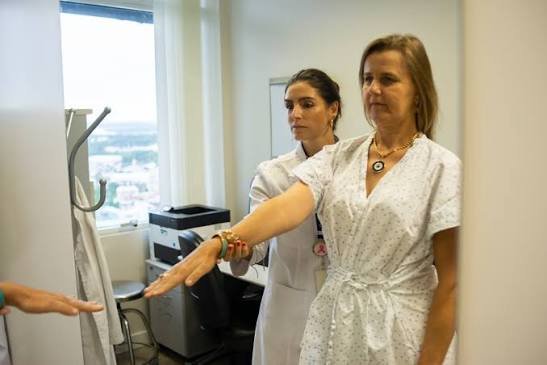
A cardiologist is a physician who specializes in diagnosing, monitoring, and managing diseases of the heart and blood vessels. Cardiovascular health requires expert care, especially as you get older or have a family history of heart problems. Regular check-ups with a cardiologist are significant because they allow continuous monitoring of your cardiovascular system. These routine evaluations help establish a clear baseline for your health, and they confirm that any gradual changes are documented and addressed promptly. By scheduling consistent appointments, you and your doctor can track metrics like blood pressure and cholesterol. This supports a more structured and proactive approach to your overall care.
Key Benefits of Regular Visits
Maintaining a regular schedule of visits with your cardiologist offers several practical advantages for your long-term health management.
Key benefits include:
- Tracking baseline metrics: Consistent visits allow your doctor to record your blood pressure, heart rate, and weight over time.
- Updating care plans: Regular visits allow your doctor to track your baseline metrics, and they provide a structured setting to discuss any new symptoms.
- Medication management: If you take prescription medications, your cardiologist can review your current dosages and make necessary adjustments based on your latest test results.
- Lifestyle guidance: Your doctor can offer practical advice on diet, exercise, and stress management tailored to your specific physical capacity.
Common Conditions a Cardiologist Treats
Cardiologists undergo extensive training to understand the complex mechanics of the cardiovascular system. They evaluate and manage a wide range of specific issues related to the heart muscle, valves, and blood vessels. Hypertension, or high blood pressure, is one of the most common conditions managed by cardiologists, and it requires ongoing attention to reduce strain on the cardiovascular system. Cardiologists also monitor and address coronary artery disease, treating blockages or narrowing of the blood vessels that supply the heart. Another area of focus is the evaluation and management of arrhythmias. These are irregular heartbeats that may be too fast, too slow, or erratic. Patients with heart failure, where the heart does not pump blood as efficiently as it should, benefit from specialized care and ongoing support. Beyond managing chronic conditions, cardiologists also guide patients in making lifestyle adjustments to help support heart health.
Immediate Emergency Care
While regular check-ups are advisable for monitoring ongoing health, they do not replace the need for urgent medical intervention in acute situations. Recognizing the difference between a routine symptom and a medical emergency is key. Routine appointments are recommended for long-term management, but sudden, severe symptoms require immediate emergency medical attention.
If you experience sudden, severe chest pain or pressure; difficulty breathing or severe shortness of breath; pain radiating to your arm, back, neck, or jaw; or sudden dizziness, weakness, or fainting spells, seek immediate emergency care. These symptoms can indicate a medical emergency, and they should not be ignored. Do not wait for a scheduled cardiologist appointment if you notice these warning signs. Instead, call emergency services or go directly to the nearest emergency room for prompt evaluation and care.
Talk to a Cardiologist Today
Taking an active role in your health requires practical steps and consistent communication with your healthcare providers. If you have concerns about your heart health, a family history of cardiovascular disease, or a referral from your primary care physician, reaching out to a specialist is a logical next step. Contact a local clinic to schedule an initial consultation. Prepare a list of your current medications and any questions you have about your health. Keep moving forward with your care, and rely on your cardiologist to provide the accurate, precise information you need to manage your health effectively.