

A breast exam is a significant component of proactive health management, playing a key role in the early detection of abnormalities and potential concerns. Whether performed through self-examination or by a healthcare professional, a breast exam helps individuals become more familiar with their bodies and identify changes that may require further evaluation. By learning and applying reliable breast exam methods, individuals can take a more informed and preventative approach to their breast health.
Standing or Shower Self-Examination
Many people find it effective to do a breast exam in the shower. The warm water and soap make your skin slippery, so your fingers can glide easily over the tissue. Use the pads of your three middle fingers to press down gently but firmly. Move your fingers in small circles around the entire area to feel for any lumps or knots.
Be sure to cover the whole surface area, from your collarbone down to your ribs. You should also check the tissue from your armpit to the center of your chest. Since you need to feel different tissue depths, use varying pressure levels. Start with light pressure for the skin surface, and then use medium pressure for deeper tissue. Finally, apply firm pressure to feel the tissue close to your ribs.
Lying Down Palpation Technique
You can also perform a self-exam while lying down, which is another thorough way to check your breast tissue. When you lie on your back, your breast tissue spreads evenly, making it thinner and easier to feel. For a comprehensive check, place a small pillow under your right shoulder, and put your right arm behind your head.
Using your left hand, gently palpate the right breast with the same circular motions described earlier. Move carefully across the entire area, ensuring you cover every spot, and then switch sides. Move the pillow to your left shoulder, then repeat on the other side. This method offers a useful alternative perspective to the standing exam, providing a complete approach to your breast health check.
Clinical Breast Examination
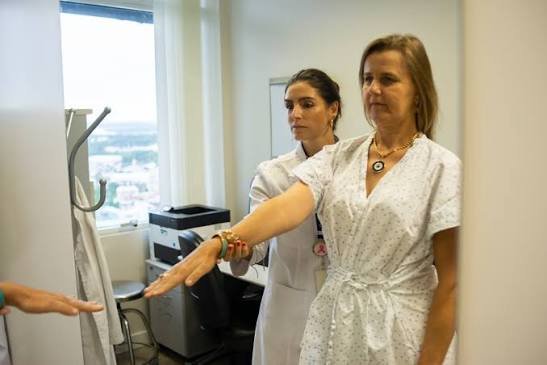
While self-exams are useful, a clinical breast exam by a gynecologist is still necessary. Medical professionals are trained to identify subtle tissue changes you might miss. During your annual visit, your provider will assess your breast tissue and lymph nodes for abnormalities. A clinical breast screening is quick, and it usually takes only a few minutes to complete.
Your doctor will palpate the tissue systematically, much like the method used for a self-exam while lying down. This is also a great time to ask your provider any questions and discuss any changes you have noticed. Because they know your medical history, they can offer personalized guidance and reassurance.
Imaging-Based Breast Screening Methods
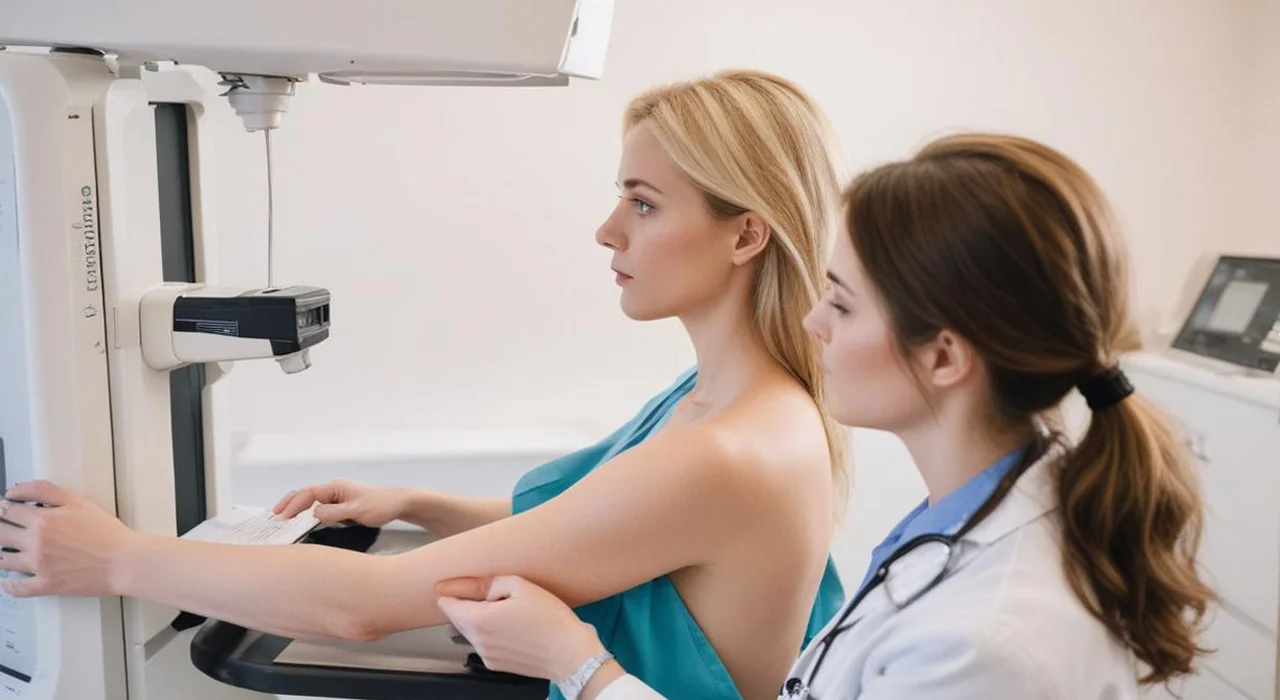
The final category of breast examination techniques involves advanced medical imaging. Mammograms are the most common type of imaging used for a routine breast check. These specialized X-rays capture detailed images of your internal tissues and can reveal changes that cannot be felt by hand. Your provider will help you decide when to start regular imaging based on your history
Modern imaging technology offers precise results, and facilities prioritize your comfort during these appointments. The technicians will guide you through the brief process step by step and work to capture the clearest images possible. These advanced tools offer a comprehensive view of your breast health, which gives you valuable peace of mind.
Schedule Your Breast Exam Today
Understanding these five techniques gives you a solid foundation for proactive health monitoring. Practicing self-awareness at home is key, but professional medical insight offers an irreplaceable layer of support. You should reach out to a healthcare provider if you notice any unusual changes. Book a breast examination with a gynecologist near you today for a comprehensive clinical evaluation. They have the expertise to perform a thorough breast assessment, answer all your specific questions, and guide you towards a productive step in maintaining your long-term wellness.