


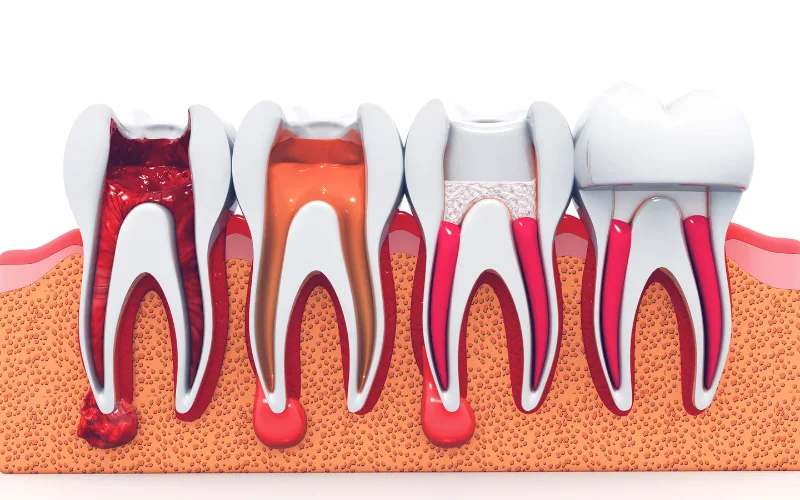
A root canal is a standard dental procedure designed to address issues within the center of a tooth. This inner area, known as the pulp chamber, houses nerves, connective tissue, and blood vessels. When this tissue becomes compromised due to deep decay, repeated dental procedures, or physical trauma, endodontic therapy, commonly referred to as a root canal, becomes necessary. The procedure treats the affected area by carefully removing the damaged pulp, cleaning the inner tooth spaces, and sealing the tooth to prevent future issues. A dentist removes the compromised tissue, and they can often preserve the remaining outer structure of the natural tooth.
Reasons for a Root Canal
Understanding the anatomy of your teeth helps clarify why this procedure is sometimes required. The hard outer layer of a tooth is called enamel, followed by the middle layer, dentin. Beneath these hard layers lies the soft pulp. The pulp contains nerves and blood vessels, and it provides nutrients to the tooth during its development. Once a tooth is fully mature, it can survive without the pulp because it receives nourishment from the surrounding tissues.
You need a root canal when bacteria infiltrate the pulp chamber. This intrusion typically happens through a deep cavity, a faulty crown, or a crack in the tooth. Once bacteria reach the soft tissue, they multiply and cause an infection; if left unaddressed, this infection can spread beyond the root tips into the surrounding jawbone. Physical trauma to the face can also damage the pulp even if the tooth has no visible chips or cracks. Removing the compromised tissue is the standard protocol to maintain the structural integrity of the affected tooth.
Symptoms to Look For
Identifying potential issues early helps you seek a timely professional evaluation. While some teeth with compromised pulp present no immediate signs, several common indicators suggest you may need an evaluation.
Schedule a dental visit if you experience any of the following:
- Persistent discomfort: You experience persistent discomfort during chewing or prolonged sensitivity to hot and cold temperatures. This sensitivity often lingers long after the hot or cold source has been removed.
- Gum swelling: The gums surrounding the affected tooth may become swollen, tender, or feature a small, pimple-like bump.
- Tooth discoloration: A tooth that begins to darken or take on a grayish tint can indicate that the internal tissue has been damaged.
- Tenderness to touch: Discomfort when pressure is applied to the tooth or the surrounding area.
Benefits of Early Intervention
Addressing dental issues promptly is a practical approach to maintaining your oral health. When the pulp of a tooth is compromised, the body cannot repair the tissue on its own. Ignoring the signs of inner tooth damage often leads to more extensive complications. Early intervention helps preserve your natural tooth structure, and it often requires less extensive dental work over time. If a compromised tooth is not treated, the infection can progress, potentially leading to an abscess. An abscess is a localized collection of pus that forms at the root of the tooth, which can cause significant swelling and affect the surrounding bone. In some cases, waiting too long means the tooth can no longer be saved and must be extracted entirely. Extracting a tooth often necessitates additional procedures, such as implants or bridges, to restore normal function and prevent adjacent teeth from shifting.
Ask a Dentist Today
Only a qualified dental professional can determine the appropriate treatment for your specific situation. If you suspect an issue with your teeth or notice any indicators, a thorough examination is the next step. A dentist will take X-rays, and they will perform diagnostic tests to evaluate the health of your tooth pulp. Reach out to a dental office today to schedule an evaluation and discuss your available options.