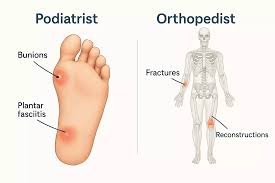
Orthopedics is a specialized field of medicine focused on diagnosing, treating, and preventing conditions that affect the musculoskeletal system, including bones and joints, together with ligaments and muscles. As pain from these structures can significantly affect mobility and quality of life, orthopedics plays a key role in identifying the underlying causes and delivering targeted, evidence-based treatments. From non-invasive therapies to advanced surgical interventions, orthopedic care is designed to restore function, reduce discomfort, and support long-term recovery.
Identifying the Pain Source
Effective treatment begins with a thorough evaluation of your symptoms and medical history, during which a joint care specialist will conduct a physical examination to assess your range of motion. They use imaging, such as X-rays or MRIs, to view your internal structures. These diagnostic tools reveal hidden issues, so your doctor can make an accurate diagnosis, as sometimes, pain originates from an area different from where you feel it.
Proper orthopedics requires attention to both acute injuries and chronic conditions. Wear and tear can degrade cartilage over time, while sudden impacts cause immediate damage. Doctors categorize these issues to select the most effective intervention. Identifying the exact root cause prevents misdirected treatments and saves you valuable time on your path to recovery.
Relieving Pain With Non-Surgical Treatments
Many patients find relief through conservative, non-invasive treatments, and physical therapy is a fundamental component of this care. Targeted exercises strengthen the muscles around your joints, which reduces stress on affected areas. While physical therapy builds strength, interventional pain management offers another layer of non-surgical care.
Lifestyle modifications also play a key role in managing chronic joint discomfort. Maintaining a healthy weight reduces the daily burden on your knees, hips, and spine, while anti-inflammatory diets and proper hydration support your body’s natural healing processes. It is necessary that you communicate openly with your care team, so they can adjust these conservative strategies to fit your evolving needs.
Treating Persistent Pain Surgically
When conservative methods don’t provide enough relief, advanced surgery may be a helpful option. Your orthopedic surgeon will evaluate the whole situation and determine if an operation aligns with your health goals. Minimally invasive procedures use smaller incisions, which helps preserve healthy muscle and often leads to a faster recovery.
A thorough discussion about risks and outcomes is necessary before any surgery, so prepare questions for your surgeon. It’s necessary to understand the recovery process and physical therapy needs. Preparing your home beforehand will make your initial recovery safer, and having a solid support system is fundamental as you navigate rehabilitation. Your care team will adjust your post-operative plan to support your body’s unique healing timeline, ensuring a productive result.
Restoring Function Through Rehabilitation
The recovery phase is as key as the surgery. A structured rehabilitation program can help restore your strength and flexibility. Physical therapists design routines to challenge you without overwhelming healing tissues. Consistent participation builds resilience and protects your joints from future injury. A sports injury clinic offers specialized equipment, and therapists can closely monitor your biomechanics to establish proper correction.
Long-term relief requires a sustained commitment to your health. Continue practicing the exercises you learn during formal therapy, and schedule regular follow-up appointments. This helps catch any new issues early. Staying active within your limits is productive and helps keep your musculoskeletal system functioning smoothly for years.
Book a Comprehensive Orthopedics Evaluation
Orthopedics uses a wide array of treatment tools and strategies to help you manage chronic discomfort effectively, from advanced diagnostics to specialized rehabilitation, to improve your daily function. Every treatment plan is uniquely tailored to match your specific physical challenges and recovery goals. If persistent pain is limiting your participation in physical activities, you should seek professional medical guidance. Book a comprehensive evaluation with a pain management specialist near you today. They will comprehensively assess your situation, discuss advanced interventional therapies with you, and design an effective treatment plan suited to you. Take an active role in your care today and consult a pain management clinic in your city to begin treatment.