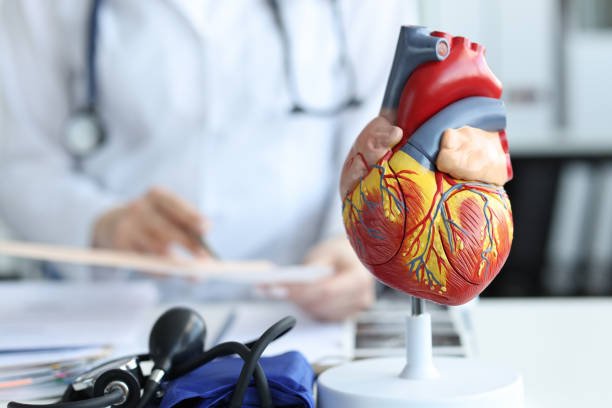
Experiencing chest pain is a common reason patients seek medical attention, as it can prompt immediate concern about a potential heart condition. While these symptoms should always prompt professional evaluation, they do not always indicate a serious cardiovascular event. The body can produce similar pain signals for an array of distinct, unrelated medical issues. Understanding the distinction between cardiovascular issues and other medical conditions may help patients navigate their symptoms effectively and seek the right type of care.
What Can Cause Chest Pain?
Chest pain originates from many different systems within the body. Non-cardiac origins may include musculoskeletal issues, such as sore muscles following physical exertion. Digestive tract disorders, like acid reflux, also produce a burning sensation commonly known as heartburn. Cardiac-related discomfort is medically referred to as angina. Angina represents a symptom of an underlying cardiovascular problem rather than a distinct disease. It typically occurs when the heart muscle does not receive adequate oxygen. Patients often describe this as a squeezing pressure that may radiate out to the shoulders or the neck. Associated symptoms often include dizziness, shortness of breath, nausea, and cold sweats. Heart disease remains a primary cause of angina, as narrowed arteries restrict normal blood flow.
How Is Pain Diagnosed?
Accurately diagnosing the root cause of chest discomfort requires a thorough medical evaluation. The standard initial diagnostic test is an electrocardiogram (EKG). This noninvasive and painless procedure measures the electrical activity of the heart. An EKG can swiftly identify emergencies, such as an active myocardial infarction. Physicians may also utilize an echocardiogram, which uses ultrasound technology to create detailed images of the heart’s structure and function.
Many standard causes of chest discomfort are identifiable through these preliminary tests. If the EKG and echocardiogram yield inconclusive results, medical professionals might order further diagnostic assessments. Continuous observation through Holter monitoring tracks the heart’s activity over a period of time, and stress testing evaluates how the cardiovascular system performs under physical exertion.
How Is It Treated?
Treatment strategies directly correspond to the specific origin of the symptoms. For many individuals, modifying daily habits plays a central role in managing cardiovascular health. Physicians frequently recommend lifestyle adjustments, which can include adopting a nutritious diet, increasing daily physical activity, losing excess weight, and implementing stress management techniques.
Medical professionals prescribe various medications to address cardiac-related pain, which includes beta-blockers and artery relaxants. Patients might also receive prescriptions for cholesterol-lowering drugs, ACE inhibitors, and diuretics. Aspirin and blood-thinning medicines are other standard options, utilized to manage specific cardiovascular conditions.
In cases involving advanced coronary artery disease, more direct interventions become necessary. Cardiologists may perform minimally invasive cardiac catheterization procedures to address restricted blood flow. Techniques like balloon angioplasty or atherectomy help open narrowed arteries and restore adequate circulation to the heart muscle.
Consult a Cardiology Specialist
Experiencing unexplained chest discomfort warrants immediate professional attention to rule out severe cardiovascular conditions. Recognizing the difference between muscular strains, digestive issues, and cardiac events allows patients to seek appropriate care promptly. A precise medical diagnosis remains the only reliable way to identify the true source of these symptoms and develop an effective management plan. If you are experiencing recurrent chest discomfort, seeking guidance from a cardiovascular expert is a highly recommended course of action.