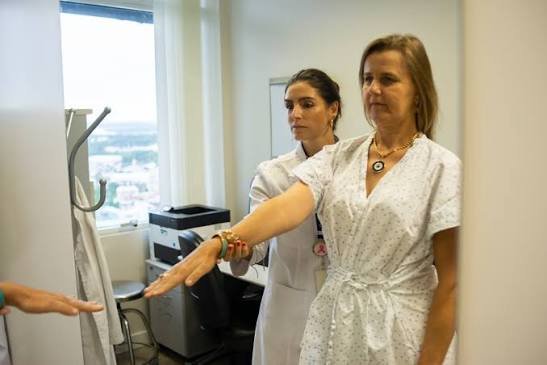



Navigating the modern healthcare system requires a reliable point of contact for both routine and urgent medical needs. A family doctor serves as this central figure and guides patients through various stages of life with consistent and comprehensive medical attention. Establishing a long-term dynamic with a primary care provider offers substantial advantages for overall health management. Rather than seeking out different clinics for every new symptom, individuals benefit from a singular medical home.
What Is a Family Doctor?
Family medicine represents a comprehensive approach to health care that addresses the medical requirements of individuals across different age groups. Practitioners in this field deliver primary care services to both adolescents and adults, creating a unified health strategy for entire households. A primary care provider acts as the main contact for a patient’s medical inquiries and interventions. They are typically the first medical professionals a person consults when facing an unexpected illness or seeking routine health maintenance.
A family doctor manages a broad spectrum of health conditions on a daily basis. By maintaining an understanding of a patient’s medical background, they provide informed guidance and targeted treatments tailored to individual circumstances. They coordinate all aspects of a patient’s well-being, from initial diagnostic testing to ongoing treatment adjustments. When patients encounter complex or highly specialized health challenges, such as severe vision impairments or advanced cardiovascular disease, the family doctor coordinates referrals to trusted specialists to deliver the appropriate level of care while continuing to monitor the broader health picture.
What Services Do They Provide?
Medical professionals in family practice deliver a wide array of services designed to maintain and improve patient health over the long term. Their scope of practice covers preventive measures, chronic disease management, and acute care interventions. Common services include annual physical examinations, which help establish a reliable baseline for a patient’s health status. They also manage ongoing conditions such as high blood pressure, arthritis, and diabetes, adjusting care plans as the patient’s needs evolve.
Beyond chronic disease management, family medicine providers offer respiratory care, sports medicine interventions, and specialized pain management strategies. They address diverse patient needs through women’s health services, adolescent care, and medically supervised weight loss programs. Mental health support is also a standard component of their offerings, recognizing the connection between physical and psychological well-being. This approach allows patients to address multiple health concerns within a single visit; this may reduce the stress associated with seeking medical care.
Why Should You Seek Care?
Receiving care from a dedicated family medicine team provides a structured support system for facing various health challenges. One primary benefit is the heavy emphasis on preventive medicine. Providers work with patients to establish healthy lifestyle habits early, which may decrease the risk of developing severe diseases later in life. Because the medical team maintains a detailed record of a patient’s health history, they can prescribe treatments with a lower risk of adverse medication interactions or conflicting therapies.
Developing a strong, effective dynamic with a primary care provider requires consistent communication, necessitating regular attendance at scheduled appointments. Patients should communicate openly about their current symptoms, lifestyle habits, and underlying medical concerns. Following through on prescribed treatment plans and scheduling recommended follow-up visits demonstrates a commitment to the process.
Meet With Your Doctor
Initiating care with a new primary care provider marks a positive step toward comprehensive health management. Before attending the first appointment, gathering previous medical records, a list of current medications, and a detailed family health history provides the physician with the necessary context to deliver precise, individualized care. This level of preparation establishes a strong foundation for future consultations and sets a productive foundation for the partnership.