

Restful sleep provides the foundation for overall health. When an individual experiences constant disruptions during the night, it negatively affects multiple body systems. One common condition that diminishes sleep quality is sleep apnea. The symptoms happen strictly while a person is asleep, so detecting the problem often requires careful observation from a family member. Recognizing the signs early can lead to timely intervention and significantly improved health outcomes.
What Is Sleep Apnea?
Sleep apnea is a chronic respiratory disorder that is characterized by repeated pauses in breathing throughout the sleeping hours. Individuals affected by this condition might stop breathing dozens of times during a single night. These frequent interruptions deprive the body of a steady oxygen supply, continuously disrupting the natural sleep cycle.
Medical professionals categorize this sleep disorder into three distinct types. Obstructive sleep apnea represents the most frequent diagnosis. This variation occurs when the muscles located in the back of the throat relax excessively during sleep, which causes the surrounding soft tissues to collapse and block the airway. Central sleep apnea involves the central nervous system rather than a physical obstruction, meaning the brain fails to transmit the proper signals to the muscles controlling respiration.
What Are the Signs?
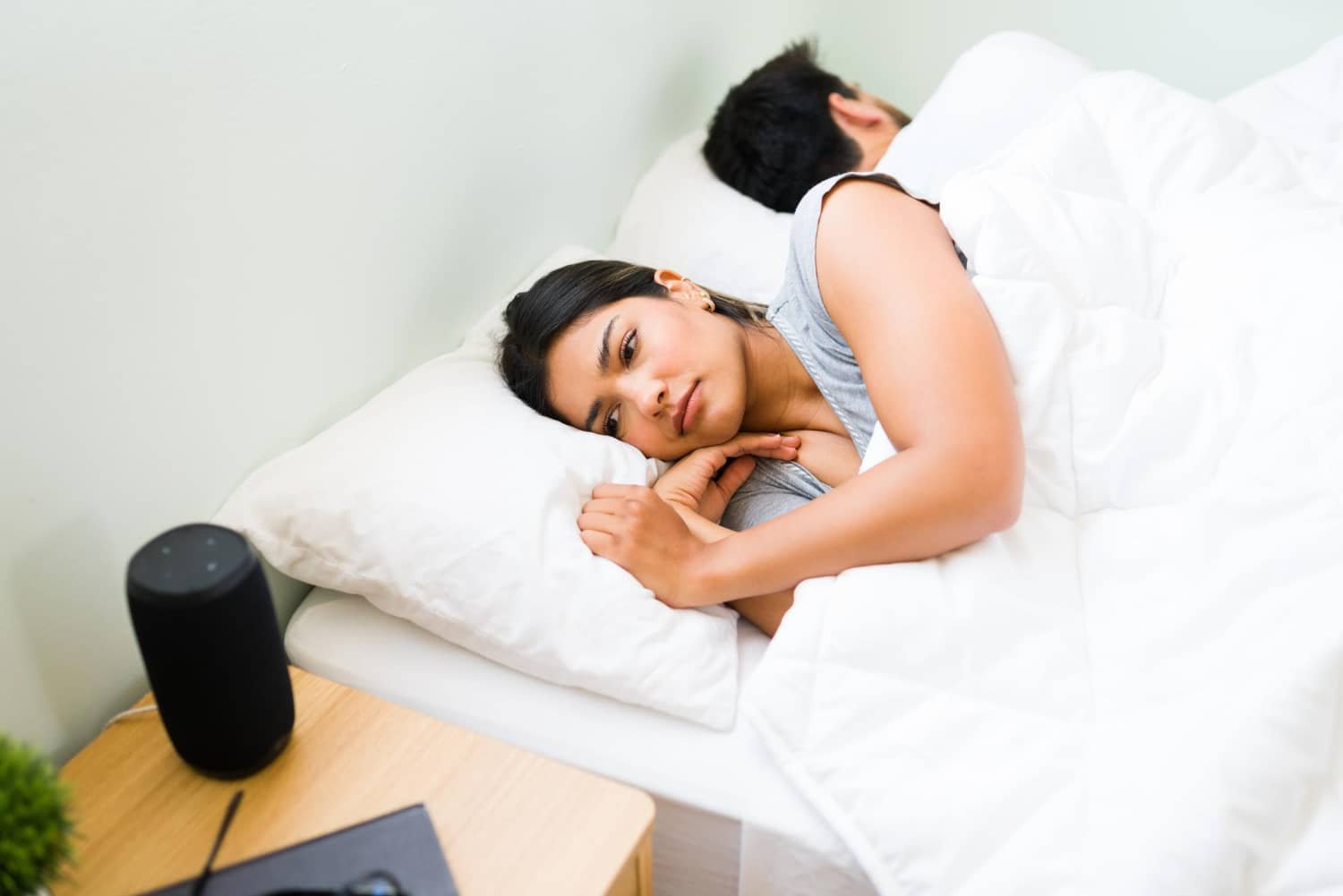
The symptoms associated with this condition frequently present very subtly in the beginning stages. Many individuals remain unaware of their nighttime breathing interruptions until a family member brings the recurring issue to their attention. One of the most widely recognized indicators is exceptionally loud and persistent snoring. While not everyone who snores suffers from a medical condition, severe snoring often points to a partially obstructed airway. Observers might also notice distinct pauses in the individual’s breathing. These quiet moments are often followed by sudden gasping sounds as the body’s natural reflexes kick in and the person struggles for air.
Beyond the direct nighttime occurrences, individuals may experience daytime symptoms that point to a disrupted sleep cycle. Waking up with a severely dry mouth or a morning headache can point to interrupted oxygen flow. Severe daytime fatigue, a noticeable difficulty sustaining concentration, and unexplained irritability also serve as common warning signs. When a person feels exhausted despite spending a full night in bed, these specific symptoms warrant a professional medical evaluation.
How Is It Treated?
Proper management of this respiratory condition requires a tailored approach, based directly on the specific type and severity of the disorder present. Dental professionals frequently assist in managing the obstructive variation of the condition and provide custom-made oral appliances. These specialized dental devices fit comfortably inside the mouth during the night.
An oral appliance works by gently repositioning the lower jaw slightly forward. This subtle anatomical shift helps keep the soft tissues of the throat from collapsing backward, which keeps the airway fully open and allows for consistent, unobstructed breathing. To create a precise and well-fitting device, practitioners may utilize advanced digital measurement tools like a pharyngometer. These specialized instruments precisely measure the internal size and flexibility of the patient’s airway, leading to an appliance that fits.
Seek Care From a Specialist
Identifying the precise symptoms of this sleep disorder marks the first step toward better overall health. If you notice persistent loud snoring, severe daytime exhaustion, or documented pauses in nighttime breathing, speaking directly with a medical or dental professional provides necessary clarity. Specialists may evaluate your specific symptoms and recommend an appropriate course of action. With proper professional guidance and effective oral appliance therapy, individuals can successfully regain their sleep quality, eliminate daytime fatigue, and protect their long-term physiological health.