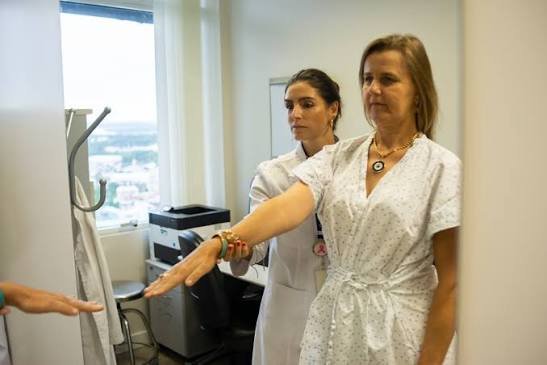
Pediatricians are medical doctors in the field of pediatrics who manage the physical and mental health of children, and vaccines are biological preparations that provide active acquired immunity to a particular infectious disease. They provide medical information, and they guide parents through the immunization schedule. By offering clear guidance, doctors help communities stay healthy and protected against preventable illnesses.
Understanding Pediatricians
The field of pediatrics focuses on the medical care of infants, children, and adolescents. Doctors monitor growth and development, and they diagnose various childhood illnesses. When children visit the clinic, doctors perform thorough physical examinations. They prescribe necessary medications, and they administer routine medical treatments.
A pediatrician acts as a primary healthcare provider from birth until young adulthood. They manage acute illnesses like infections, and they oversee chronic conditions like asthma. Because children experience rapid physical changes, doctors must adjust their care strategies continuously. They coordinate with specialists when necessary, and they maintain detailed health records for every patient.
Educating Parents
During routine check-ups, doctors may take the time to discuss immunization schedules with parents. When parents have questions about immunizations, doctors provide evidence-based literature to address those concerns. They answer questions, and they build trust through open communication. This ongoing dialogue helps parents make informed health decisions for their families.
Medical professionals use several distinct methods to share accurate health information with families. They may distribute brochures in waiting rooms, and they potentially point parents to educational resources. Because visual aids help clarify complex medical topics, doctors rely on the following tools:
- Providing printed fact sheets about common childhood diseases.
- Sharing visual charts that map out the recommended shot schedule.
- Distributing digital resources that explain immune system responses.
Recognizing Benefits
Immunizations protect communities from severe outbreaks of preventable diseases. When a high percentage of a population receives immunizations, herd immunity develops within the community. This protects vulnerable individuals who cannot receive shots, and it stops the rapid spread of dangerous infections. Medical data shows a dramatic drop in disease rates following widespread immunization campaigns.
Routine shots prepare the immune system to fight off specific future infections. The body creates antibodies, and these antibodies remain on guard against future disease exposure. Because these preventive measures work so well, doctors strongly advocate for routine shots. They monitor public health trends, and they adjust their recommendations based on current scientific data.
Asking Questions
Parents can ask a pediatrician questions during a routine clinic visit. Topics of discussion may include potential side effects, or you might ask for clarification on the vaccination timeline. When you prepare for your appointment, it helps you maximize your time in the examination room with your healthcare provider. You can write down your questions beforehand, and you can bring a notebook to record the answers.
Parents can request a printed copy of the immunization schedule. You can review it at home. Because medical guidelines update periodically, parents can stay engaged with their healthcare providers. Attend all scheduled wellness checks, and keep your child’s health records updated.
Learn More About Pediatrics
Pediatricians play a role in keeping children healthy through proper immunization education and administration. They can explain the science behind immunizations, and they guide parents through the recommended schedules. By maintaining open lines of communication, doctors help families navigate complex medical decisions. If you want to learn more about pediatrics and vaccines, consult a pediatrician near you.