

A colonoscopy is a medical examination used to detect changes in the large intestine and rectum, and it may be recommended for colorectal cancer screening and to investigate certain intestinal symptoms. The process involves a specialist looking inside your colon, and understanding the steps may help you feel more prepared for your appointment. This is what to expect during this procedure to help keep you informed:
Specialist Sedates You
Before the procedure begins, you typically receive medication to help you relax. An anesthesiologist administers a sedative, so you will feel comfortable throughout the examination. The sedation helps you remain still while the doctor performs the test. You will feel drowsy and may not remember the procedure afterward.
Many people fall asleep quickly, but results can vary. Your medical team monitors you continuously during the entire colonoscopy process. After the medication takes effect, the team positions you on your side to begin the examination.
Doctor Inserts a Colonoscope
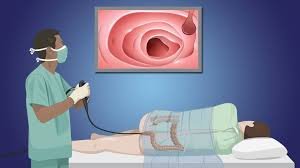
Once you are sedated, the doctor starts the examination. A thin, flexible tube called a colonoscope is gently inserted into the rectum. The colonoscope has a light and a tiny camera on its end, and this transmits images to a video screen. The doctor guides the tube through the length of your colon.
To get a clear view, the doctor will inflate your colon with air or carbon dioxide, which expands the colon lining. You might feel some bloating or cramping as the scope moves, but the sedation helps manage any discomfort. The process requires careful navigation through the curves of your intestine.
A medical team watches the video monitor closely. The doctor advances the scope slowly, and they do this until it reaches the end of the large intestine. As the scope is withdrawn, a detailed inspection of the colon lining occurs.
Team Evaluates Colon Health
The primary goal of the procedure is to examine the lining of your colon for abnormalities. The medical team looks for any unusual tissue or growths, such as polyps, which are small clumps of cells. If the doctor finds any polyps, they typically remove them during the procedure. The team may also take small tissue samples, known as biopsies, for later analysis in a laboratory; this part of the process is typically painless.
Doctor Makes a Diagnosis
After the examination is complete, the doctor can review the findings. The diagnosis depends on what was observed inside your colon, and your doctor will discuss the results with you after you have had some time to recover from the sedation. Based on the visual inspection, the doctor might identify:
- Inflammation or swelling
- Ulcers or bleeding
- Diverticula, which are small pouches in the colon wall
- The presence and type of any polyps
Schedule a Colonoscopy Today
After the colonoscopy, you typically rest in a recovery area while the sedation wears off. Someone must drive you home, as you will not be able to operate a vehicle for the rest of the day. If you are due for a screening or have symptoms that need investigation, reach out to a healthcare provider. Contact a digestive disease specialist to schedule your colonoscopy and take a proactive step for your health.