


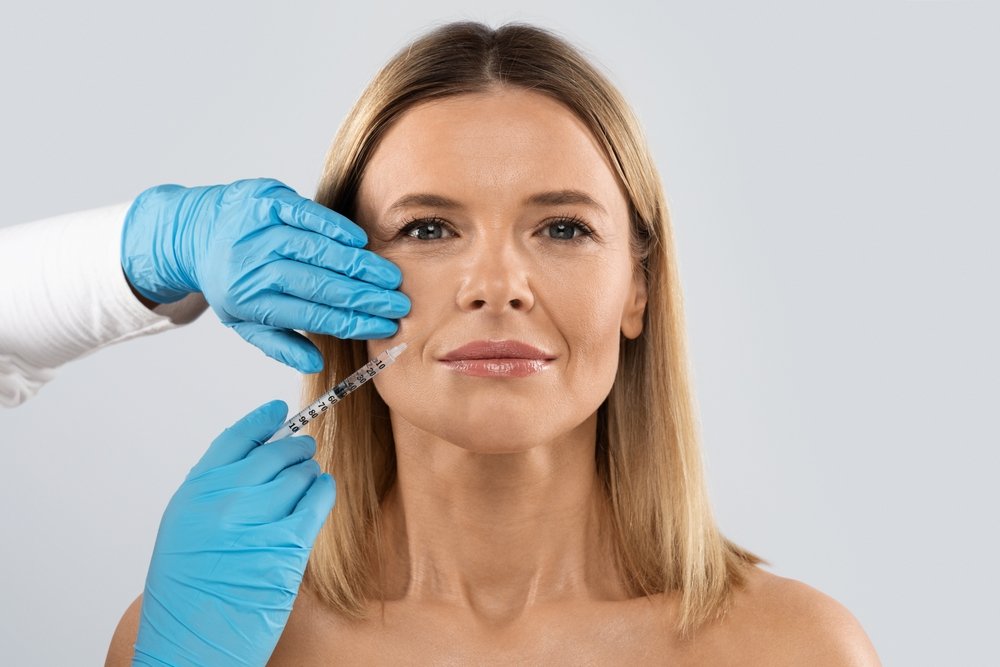
Botox is a cosmetic and medical treatment used to address a range of concerns, including smoothing facial lines and managing certain muscle-related conditions. Not everyone understands how Botox works or why it may be recommended in different settings. Taking a closer look at what Botox is can help patients better understand its purpose, uses, and potential benefits.
How Does Botox Work?
The treatment effects of Botox remain localized to the injection site. The solution blocks local nerve signals, and this action prevents immediate muscle contractions. When a provider injects the formula, the underlying muscle temporarily stops moving.
This internal process smooths the skin over the muscle, making it a frequently utilized method for anti-wrinkle injections by doctors, with patients often noticing a visible difference in their appearance. The human body gradually absorbs the product over time. Providers generally monitor this timeline, and they schedule future follow-up appointments.
Where Is Botox Used?
Medical professionals apply Botox to specific areas of the body. Providers evaluate each patient, and they determine the exact injection sites. Here are some frequent target areas where Botox is used:
- Forehead lines and deep creases.
- Crow’s feet around the outer eyes.
- Frown lines between the eyebrows.
- Excessive sweating in the underarm regions.
- Chronic migraines and severe headaches.
These specific treatment areas require exact dosing. A thorough consultation remains a key step, and it helps prevent unwanted physical complications. If you want a safe procedure, you should consult a licensed provider who will make sure that the treatment plan matches your physical requirements.
What Happens During Botox Treatment?
Before the physical procedure begins, the provider cleans the skin surface to prevent bacterial infection. The practitioner uses a very fine needle and inserts the medication into the designated muscle groups. The needle is exceptionally small; most patients often report only mild physical sensations during the injections.
The standard recovery requires minimal downtime for the average patient. You should avoid rubbing the injection sites, and you should stay upright for a few hours. When you follow these instructions, the product settles properly, and you minimize the risk of the medication spreading to unintended areas.
Should You Choose Botox?
A preliminary health screening remains fundamental for all new patients. You need a clear understanding of the Botox procedure, and your provider will discuss these technical details. While adverse side effects are rare, you should understand the clinical risks, and your doctor will explain them thoroughly during your visit. Here are some helpful points to review prior to your appointment:
- Provider qualifications and specific medical background.
- Personal medical history and current prescription medications.
- Realistic expectations regarding the biological timeline.
- Potential localized side effects such as minor bruising.
- Long-term maintenance schedules
Evaluating these factors helps patients prepare appropriately. Patients should ask direct questions, and providers will offer clear and factual answers.
Schedule Your Botox Consultation Today.
Proper preparation and clear communication are fundamental for achieving optimal results in your Botox treatment. Understanding the need for long-term maintenance schedules and discussing your goals and medical history openly can help you achieve a personalized, safe, and effective approach to care. Contact a qualified dermatologist near you to schedule your Botox consultation today.


Leave a Reply