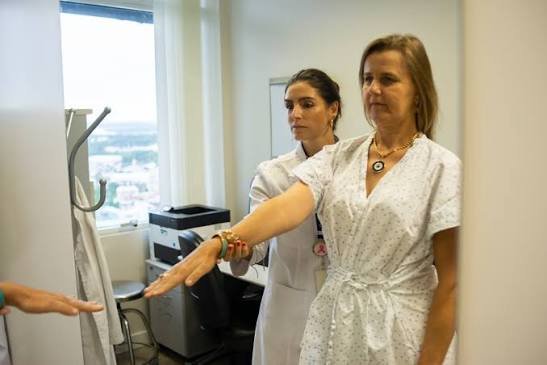


Colon cancer screening is a routine medical procedure, and it helps doctors detect early signs of abnormalities in the large intestine. Medical professionals use these tests to identify precancerous polyps before they develop into malignant tumors. A follow-up appointment is the next procedural step after the initial screening is complete. Here is more information on this screening, why it is conducted, how it works, and the benefits of follow-up care:
What Is Colon Cancer Screening?
Colon cancer screening involves a variety of clinical tests designed to examine the colon and rectum. Doctors perform these evaluations to find early markers of disease, and patients may undergo them on a scheduled basis. The specific screening method depends on a patient’s medical history and current health status.
A standard screening method is a colonoscopy. A medical provider will review the patient’s individual risk factors, and they may recommend an appropriate testing interval based on that data. Routine screenings reduce the risk of advanced disease progression by identifying issues early. The chosen method dictates the specific preparation required by the patient.
Why Is It Conducted?
Medical providers perform these tests to detect precancerous growths, and early detection of these polyps helps prevent the development of colon cancer. Symptoms of this disease do not always present in the early clinical stages. Routine screenings allow doctors to intervene before a patient experiences any noticeable physical changes. This proactive medical approach relies on scheduled physiological evaluations.
How Does It Work?
The screening process begins with physical preparation, and patients follow a specific dietary regimen beforehand. A clear colon provides the physician with an unobstructed view of the intestinal lining, facilitating a smooth procedure. The patient remains under medical observation during the process.
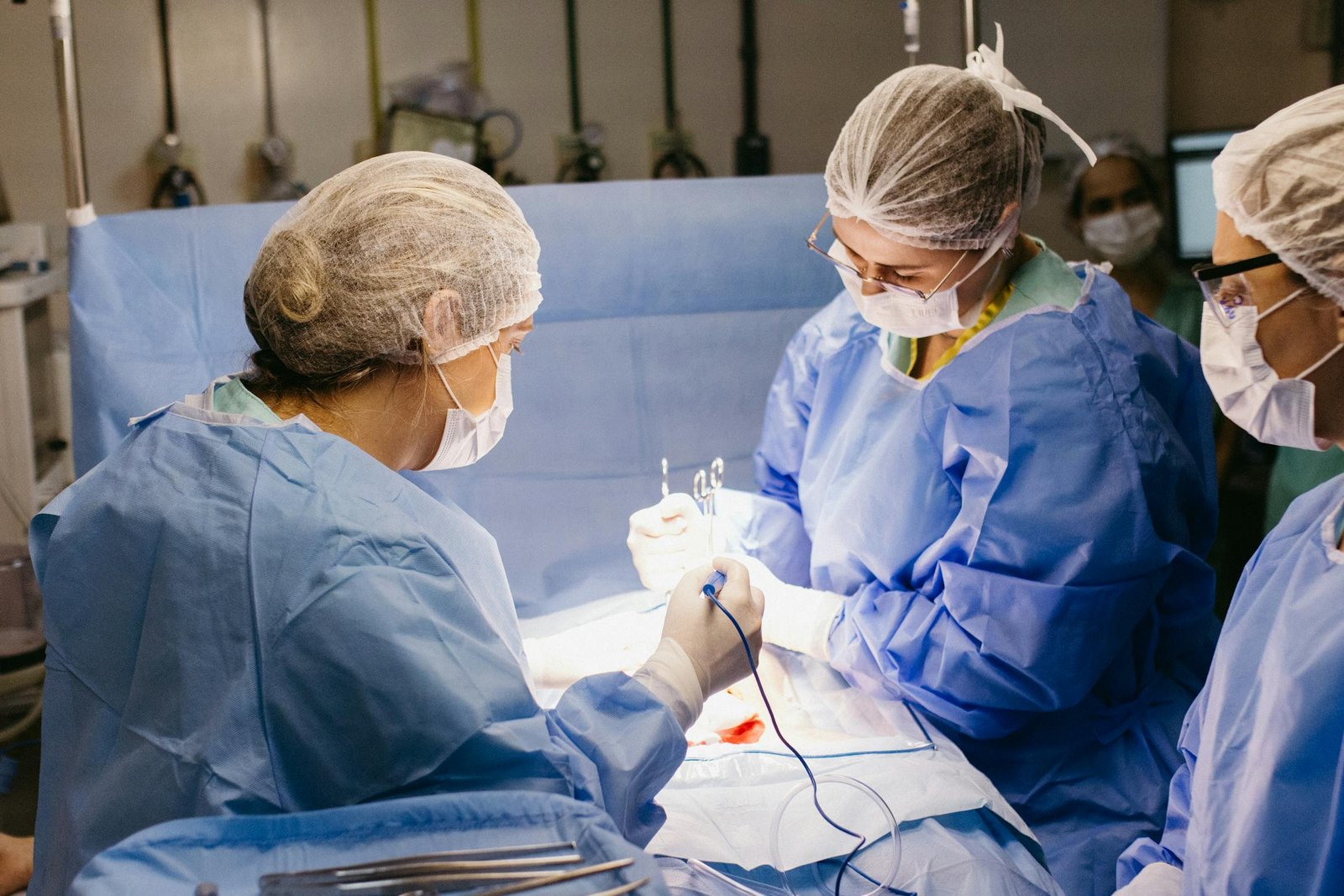
The physician inserts a flexible tube with a camera into the rectum, and they carefully inspect the entire colon for polyps. If the doctor identifies any abnormal tissue, they may remove it immediately using specialized surgical tools. The tissue samples go to a lab for further microscopic analysis. The physical examination typically takes less than an hour to complete.
What Does a Follow-up Involve?
A follow-up appointment occurs after the laboratory completes its tissue analysis, and the doctor uses this time to review the pathology results with the patient. The physician explains the screening findings, and patients learn whether the removed polyps were benign or precancerous. The provider may recommend an updated screening schedule based on the lab results. If the results are entirely normal, the next screening may be scheduled several years later.
What Are the Benefits?
Completing the follow-up process gives patients a clear understanding of their current gastrointestinal health, and it provides specific medical data for future reference. Doctors may use the follow-up to establish a customized monitoring timeline based on concrete clinical evidence. Patients may receive answers to any questions regarding their pathology report during the visit, removing ambiguity about the diagnostic process.
A prompt review of the results allows for immediate medical intervention, helping to prevent delays in necessary clinical care. The follow-up consultation creates a documented baseline for subsequent gastrointestinal examinations. This comprehensive medical approach minimizes the likelihood of undetected polyp growth over time, as the medical team tracks records to observe long-term physiological changes.
Consult a Specialist Today
Colon cancer screening and subsequent follow-up care represent standard clinical practices for maintaining gastrointestinal health. Understanding the results of a pathology report helps patients make informed medical decisions, and it establishes a timeline for future clinical evaluations. Contact a gastroenterologist today to schedule your evaluation or review your recent laboratory results.