


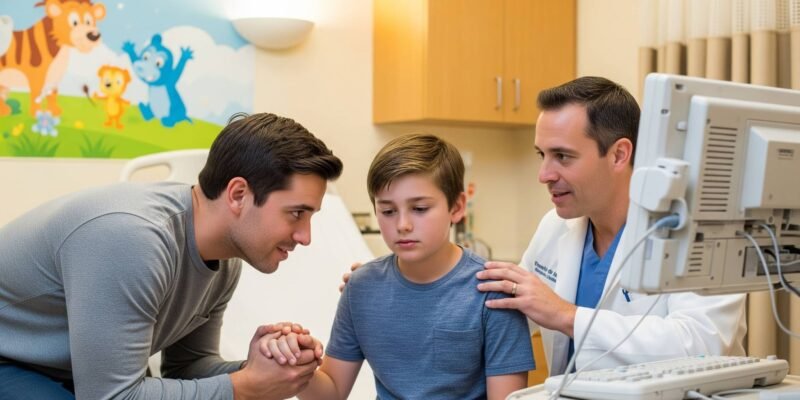
School health programs play a significant role in supporting student well-being and academic achievement. The presence of pediatric doctors in these programs brings specialized knowledge, helping to address the health needs of children and adolescents. Their expertise guides school staff and parents in managing health concerns and promoting healthier learning environments.
What Is Pediatric Care?
Pediatric care focuses on the health of children from infancy through adolescence. A pediatric doctor can monitor growth, assess milestones, and review overall health during regular checkups, helping spot any changes that may require attention. Children’s medical needs differ significantly from adults’, so pediatricians adapt their evaluations and guidance accordingly. Their practice may emphasize monitoring for early signs of health conditions, providing ongoing support as children develop. Watching one’s development can allow pediatricians to recommend timely interventions and promote healthy development.
What Services Fall Under It?
Pediatricians offer a broad range of services that are necessary for children and adolescents to maintain their health. These services contribute to early identification and appropriate referrals, supporting students’ ability to learn and participate fully in school life. Some notable services include:
- Examinations: Regular health assessments are scheduled to track growth, review vital signs, and catch emerging health issues promptly.
- Immunizations: Immunizations reduce the risk of communicable diseases and protect both individuals and the larger school community.
- Screenings: Early detection of medical conditions facilitates early treatment, which supports student participation and learning outcomes.
- Condition Management: Pediatricians help manage conditions common in school-aged children, such as asthma, diabetes, and allergies.
- Cognition Assessments: Screenings help identify attention and learning concerns.
Pediatricians may refer students to specialists if needed. This can help supplement school-based support systems.
How Does It Support School Health?
The presence of a pediatric doctor in school health initiatives may directly benefit students and staff and create a more comprehensive health support framework. Pediatric doctors can collaborate with school nurses, counselors, and administrators, offering clinical insight to build effective health policies and procedures. Key contributions may include:
- Education and Training: Pediatricians instruct teachers and school health personnel to recognize signs of illness, allergic reactions, or distress.
- Health Data Analysis: By reviewing attendance and illness trends with school nurses, pediatricians may help identify outbreaks or patterns that signal broader health issues.
- Support for Individual Needs: Pediatric doctors can collaborate with educators to determine the physical accommodations or supports necessary for students with medical needs.
Through these roles, pediatric doctors bridge health and education. This may strengthen partnerships and expand support within the school environment.
Speak Further With a Pediatric Doctor
Schools can consult pediatricians directly to review student health concerns or coordinate care plans without removing students from class or requiring parents to be present on site. This approach facilitates regular monitoring of student health, leading to more consistent care both in and out of school. With broader access to specialist guidance, families can address health questions and tailor care strategies that reflect each child’s evolving needs. Open communication fosters a collaborative approach that benefits students, schools, and families throughout the academic journey.

Leave a Reply