


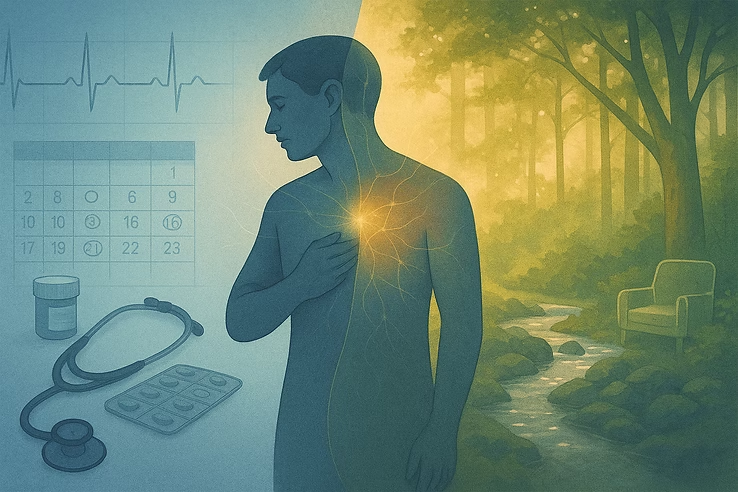
Complex regional pain syndrome (CRPS) is a chronic pain condition that typically affects an arm or a leg. Patients often experience severe discomfort, and the pain usually develops after an injury, surgery, or stroke. Understanding the long-term effects of CRPS helps patients manage their daily lives. Here is more information on this condition, including its causes, symptoms, and treatment options to help you cope:
What Is CRPS?
CRPS involves prolonged periods of high-level pain that alters the nervous system. Doctors classify CRPS into two main types based on the presence of distinct nerve damage. Type I occurs without known nerve damage, while Type II follows a distinct nerve injury.
What Causes It?
The exact cause of complex regional pain syndrome remains unclear in some cases. The condition often follows a forceful trauma to an arm or a leg, but it can also occur after surgery or a heart attack. The nervous system misfires, sending constant pain signals to the brain. A minor injury sometimes triggers an exaggerated inflammatory response, and consulting a specialist helps diagnose and treat this condition.
What Are the Symptoms?
Patients with CRPS may experience continuous burning or throbbing pain in the affected limb. The affected area often shows increased sensitivity to cold or touch, and even minor contact can trigger substantial pain. Swelling around the painful area is another observation in clinical settings.
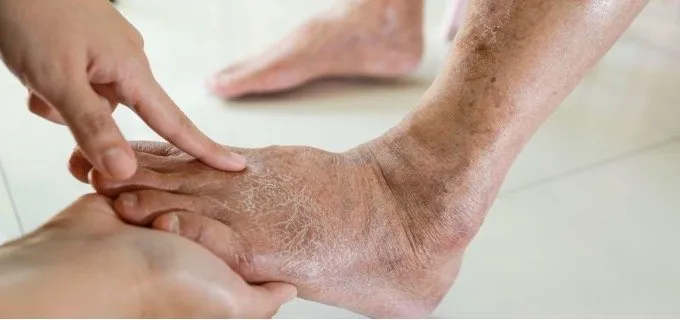
Additional symptoms manifest over time. The skin can change color to appear white, mottled, red, or blue. Patients may notice changes in skin temperature, and the affected limb alternates between feeling sweaty and cold. Joint stiffness and difficulty moving a limb also occur in some cases.
What Are the Long-term Effects?
The long-term effects of CRPS alter a patient’s physical capabilities. If the condition remains untreated, the affected limb can experience tissue atrophy. The skin, bones, and muscles deteriorate over time, and this leads to restricted mobility. Patients may struggle to perform routine physical activities.
Muscle contracture is another long-term effect of CRPS. The muscles and tendons tighten permanently, and this forces the limb into a fixed position. Patients may report elevated sleep disturbances, which affect long-term quality of life.
What Are the Treatment Options?
Doctors use multiple approaches to manage CRPS symptoms. The goal focuses on pain relief, and early intervention provides the most effective outcomes. Medical professionals often prescribe non-opioid pain medications to reduce inflammation. Topical analgesics provide localized relief for skin sensitivity.
Other clinical interventions address nerve function and physical mobility. Medical providers may recommend heat therapy, physical therapy, sympathetic nerve blocks, and a spinal cord stimulator trial to control symptoms. These clinical treatments require ongoing monitoring, and medical teams adjust them based on patient responses. Specialized clinics provide these services to patients with CRPS.
Learn How To Cope Today
Patients diagnosed with CRPS require comprehensive care plans. You can manage the symptoms through proper medical guidance, and proactive treatment helps prevent further tissue deterioration. Contact a local pain management clinic to schedule an evaluation and begin your treatment plan to improve overall health.

Leave a Reply