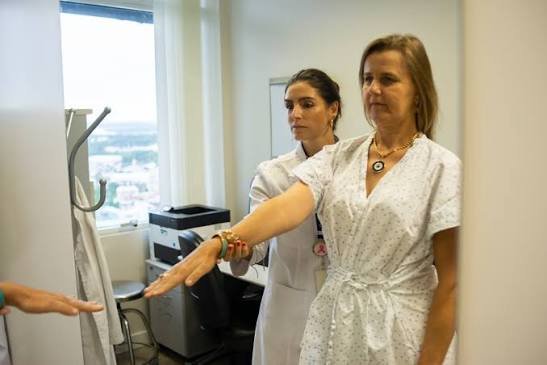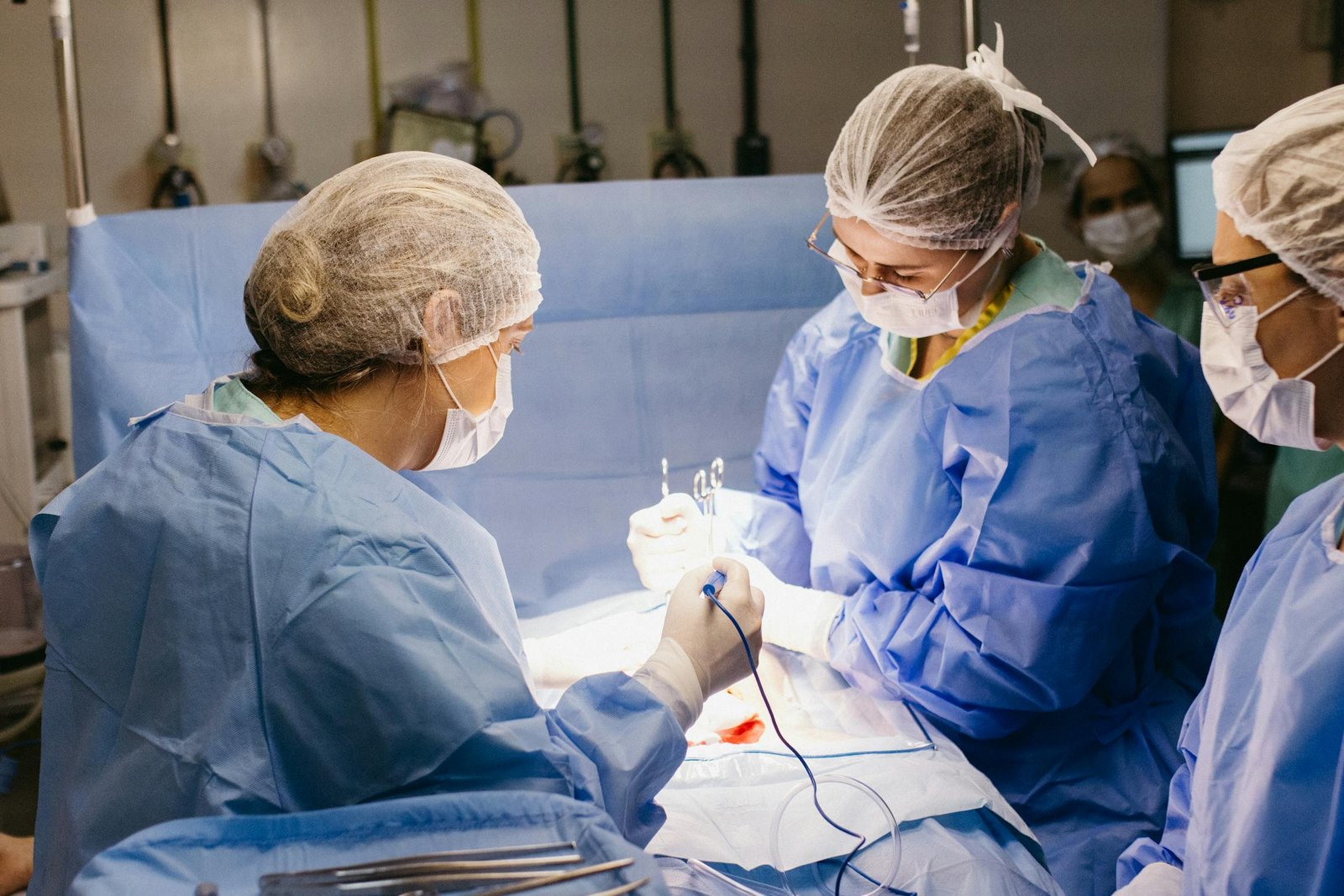


Gallbladder removal is used to treat cholecystitis, gallstones, biliary dyskinesia, and pancreatitis. After anesthesia, your care team observes you. A clear care plan guides daily decisions, and it tracks your recovery. Your gallbladder is gone, but digestion continues.
Expectations for Recovery
The length of your hospital stay depends on the type of gallbladder removal. Laparoscopic cholecystectomy sometimes allows same-day discharge. Because open cholecystectomy is invasive, you will stay longer, and nurses will monitor you. Medical staff watch your pain levels during this time. Along with pain management and mobility, the staff keeps you hydrated and gives you the right medications. Once you are ready, doctors authorize discharge, and you go home. Anesthesia effects fade gradually over several quiet resting hours. Nurses check your vital signs, and they can administer medication. Movement helps reduce the risk of blood clots, and short walks in the hallway are often encouraged. Clear discharge criteria support your safety before leaving the hospital. You review these rules, and nurses answer your questions. When all criteria are met, your discharge proceeds.
Timelines for Physical Healing
Laparoscopic surgery typically heals quicker, and patients may resume work sooner. Total recovery time can span a few weeks. You can perform self-care after a laparoscopic cholecystectomy, but every person heals at a unique pace. Healing may take several weeks. Resume daily activities slowly, and avoid heavy lifting. You may need assistance with some chores or errands during early recovery. As you regain physical strength, you can increase activity levels, but avoid sudden strain.
Rest thoroughly, allowing your body time to heal. Returning to work depends on your overall health. Because fatigue is common at first, taking frequent naps may help conserve energy. Light stretching or gentle movement, if approved by your surgeon, supports circulation. Gradual movement promotes your body’s physical healing processes. Walking short distances and climbing stairs carefully are often encouraged. Remember to stay hydrated and choose nutritious foods that support recovery. Maintain light activity and avoid rigorous exercise.
Guidelines for Digestive Health
Your body digests food without a functioning gallbladder. Healthcare teams closely monitor any changes in your bowel habits. Track new or unexplained digestive issues in a daily log, and bring it to appointments. You eat smaller meals throughout the day and drink water. If new dietary symptoms appear, contact your doctor. Your liver releases bile directly into your digestive tract. Bile aids digestion, and it breaks down fat. While you adapt to changes, you may be advised to limit greasy foods and choose lean protein sources. Fiber intake helps regulate your bathroom habits during recovery. Choose whole grains, fruits, and vegetables as regular parts of your meals. You introduce foods slowly and monitor physical reactions. Whenever foods cause discomfort, you avoid them temporarily, and you try them again weeks later.
Prepare for Gallbladder Removal
Proper post-surgical care helps you heal smoothly. Manage pain at home and watch for symptoms. Get regular checkups after your procedure. Write your questions down and bring them to the visits. If you need answers, call your surgeon to schedule a visit. Stay in contact to get support.