


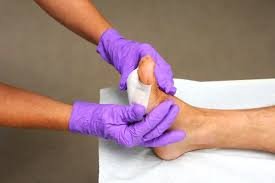
Diabetes can cause neuropathy, and this condition leads to a loss of physical sensation. Because nerve damage blocks pain signals, you might not notice small cuts or blisters right away. Proper diabetic foot care can help to prevent dangerous infections, and medical guidance helps you protect your skin. Here is more information about proper foot hygiene for diabetic individuals:
Understanding Specialist Foot Services
Specialists provide diabetic foot care because patients need professional help to manage nerve damage risks. Neuropathy masks pain signals from small wounds. Consistent medical observation acts as the primary defense against unnoticed injuries. Doctors monitor your skin health, and they treat minor problems before serious issues develop.
Monitoring Various Foot Issues
Because patients lose feeling in their extremities, daily observation is an effective tool for finding wounds. Check your skin every day for cuts, sores, blisters, redness, swelling, or nail problems. If you are unable to see the bottoms of your feet, you can use a mirror, or a family member can perform this check for you.
Take off your shoes and socks at every medical appointment, and your doctor can perform a professional foot exam. Report any discovered problems to your doctor promptly. When you visit a foot specialist for foot care, they can help diabetic individuals resolve issues such as ingrown toenails.
Maintaining Clean Skin Daily
Proper cleaning helps prevent infections, and it keeps the skin barrier intact. Here are some ideas of how to keep your feet clean and hygenic:
- Keep your skin clean and dry, paying special attention to the area between the toes.
- Use lotion if your skin is cracked, but do not apply it between the toes. Moisture trapped between the toes can encourage fungal growth.
- Cut toenails straight across, and use an emery board to smooth the edges.
- Use self-adherent bandages instead of tape to avoid skin tears.
Never apply adhesive dressings directly to your skin. Safe bandaging protects fragile tissues, and proper nail care stops sharp edges from cutting nearby toes. Because small wounds can progress into severe ulcers, keeping track of your skin health helps prevent severe issues in the future.
Preventing Minor Foot Injuries
While caring for injuries helps maintain foot health, there are ways to prevent some of these incidents from happening often. These steps focus on shielding the feet from external hazards like heat, friction, and sharp objects:
- Never go barefoot, and wear shoes or slippers at all times.
- Always wear socks with your shoes to prevent friction.
- Choose well-fitting shoes, and always check the inside for rough spots before putting them on.
- Avoid using heating pads, and check bath water with your elbow to prevent burns.
These steps may help individuals with diabetic neuropathy prevent small wounds or burns.
Learn About Diabetic Foot Care
Daily inspections and careful cleaning protect your skin from hidden dangers. You can avoid serious complications when you wear safe footwear, and regular medical checkups catch minor issues early. Cleanliness keeps your skin intact, and careful bandaging prevents painful skin tears. If you want to learn more about diabetic foot care, consult a foot specialist near you.



Leave a Reply