

Millions of individuals undergo joint replacement procedures annually to address chronic discomfort and mobility issues. The shoulder is a complex structure, and conditions such as severe arthritis or extensive rotator cuff tears can significantly diminish a person’s quality of life. Medical professionals often recommend non-invasive treatments first. When those initial approaches fail to provide lasting relief, shoulder replacement becomes a viable path toward restoring function.
What Does Shoulder Replacement Address?
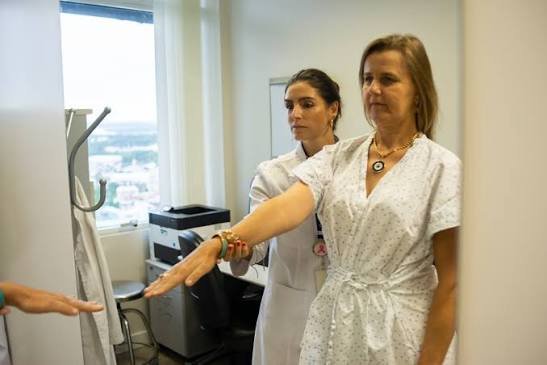
Chronic joint pain does not automatically necessitate surgery. Many individuals find relief through conservative therapies, including physical therapy exercises and platelet-rich plasma treatments. Specific symptoms suggest that surgical intervention is the appropriate next step. Patients should evaluate their condition with a doctor if severe pain consistently interferes with routine tasks. A noticeable loss of range of motion and persistent shoulder weakness are also primary indicators. When joint pain prevents restful nights or wakes a person from sleep, it greatly impacts overall physical well-being. Recognizing these signs early allows patients to seek timely orthopedic evaluation and discuss appropriate surgical solutions.
How Does the Surgery Work?
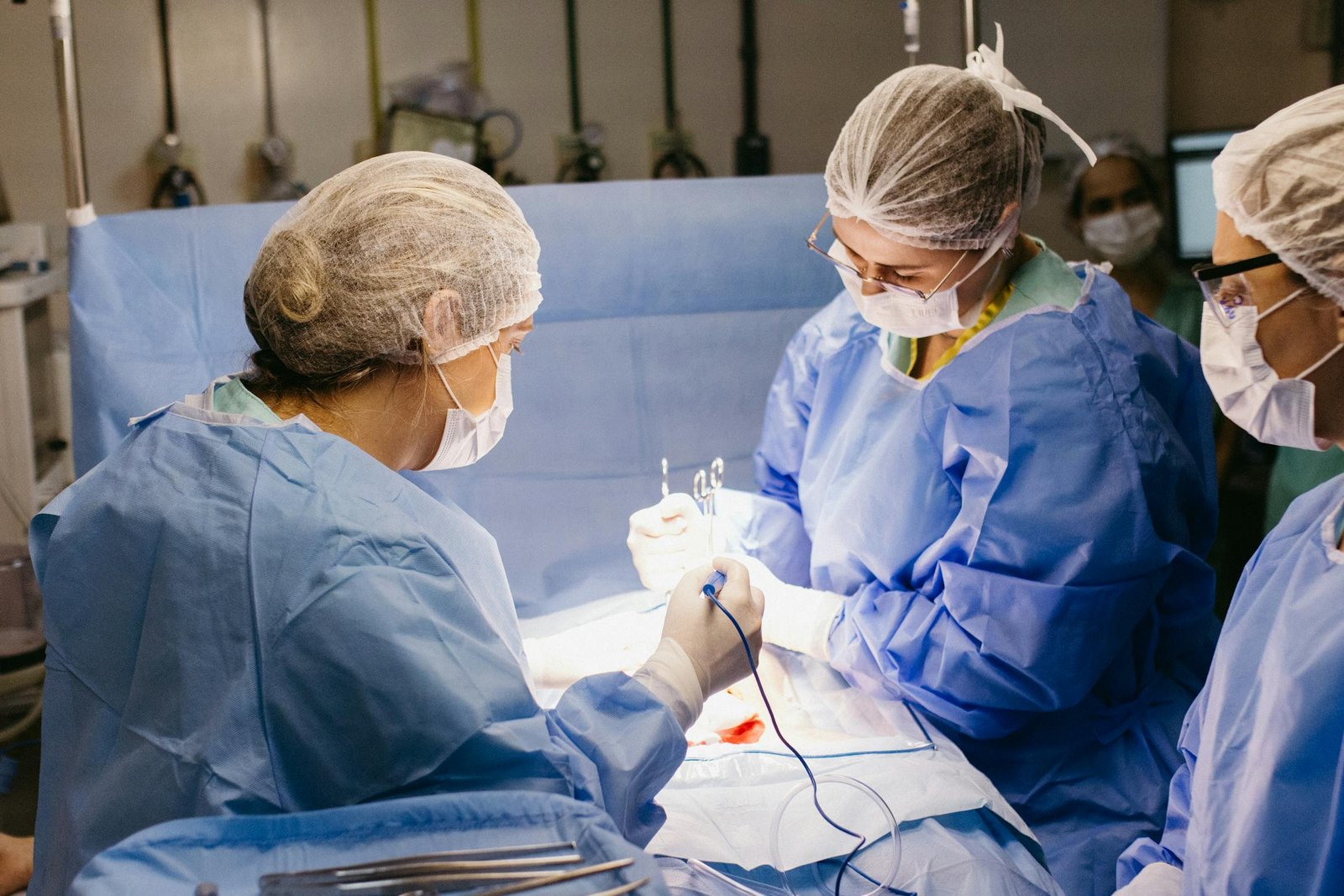
Orthopedic surgeons utilize several different surgical techniques that are based on the exact nature of the joint damage. Each method addresses specific anatomical issues within the shoulder. The means to conduct shoulder replacement vary, but prominent strategies include:
- Standard Hemiarthroplasty: This technique replaces the damaged ball and stem of the joint with prosthetic components.
- Resurfacing Hemiarthroplasty: Instead of replacing the stem, the surgeon only replaces the joint’s head.
- Anatomic Total Shoulder Replacement: The procedure replaces the entire natural joint, placing a metal ball on a stem and attaching a specialized plastic cup to the glenoid socket.
- Reverse Total Shoulder Replacement: The surgeon places the artificial socket on the upper arm bone and attaches the prosthetic ball to the shoulder blade.
What Does Recovery Entail?
Following the operation, patients remain in the hospital for monitoring, typically for at least one night. During the initial 24 hours, individuals wear a specialized sling to keep the joint completely immobilized. Patients frequently experience expected post-surgical symptoms, which include stiffness, localized swelling, and varying degrees of pain. Medical teams provide specific medication regimens and detailed post-operative instructions to manage these symptoms effectively.
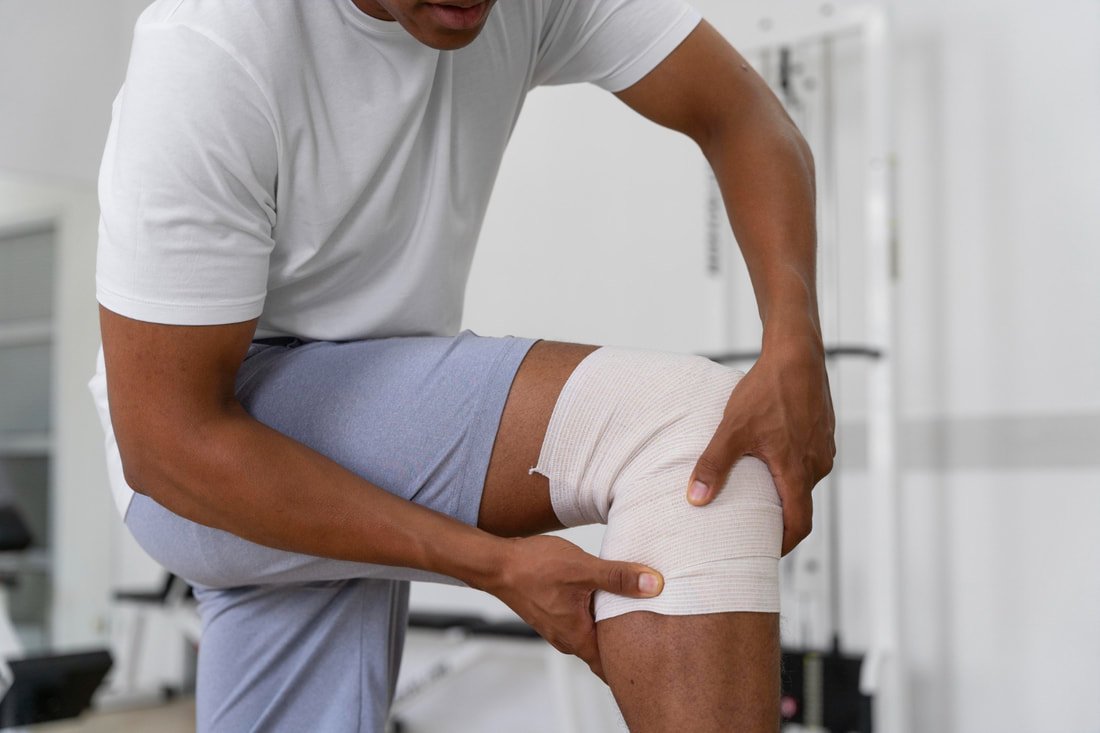
Shortly after hospital discharge, the formal rehabilitation phase begins. Physical therapy serves as the foundation of a successful recovery, where therapists design structured programs that include specific stretches, progressive strengthening exercises, and targeted manual therapies. These strategies safely promote tissue healing and gradually rebuild the joint’s flexibility. Commitment to this physical therapy schedule directly influences the final outcome.
Consult an Orthopedic Specialist
Navigating joint health requires personalized medical guidance. Every patient’s anatomy and medical history dictate a unique approach to both surgery and the subsequent rehabilitation phase. Before committing to a procedure, individuals should schedule a comprehensive evaluation with an orthopedic surgeon to review diagnostic imaging and discuss exact expectations. Preparing your living space before the operation also facilitates a smoother recovery. An experienced specialist may outline these practical preparation steps alongside the clinical treatment plan. By partnering with a dedicated medical team, patients gain the necessary support to navigate their recovery journey and achieve optimal joint function.