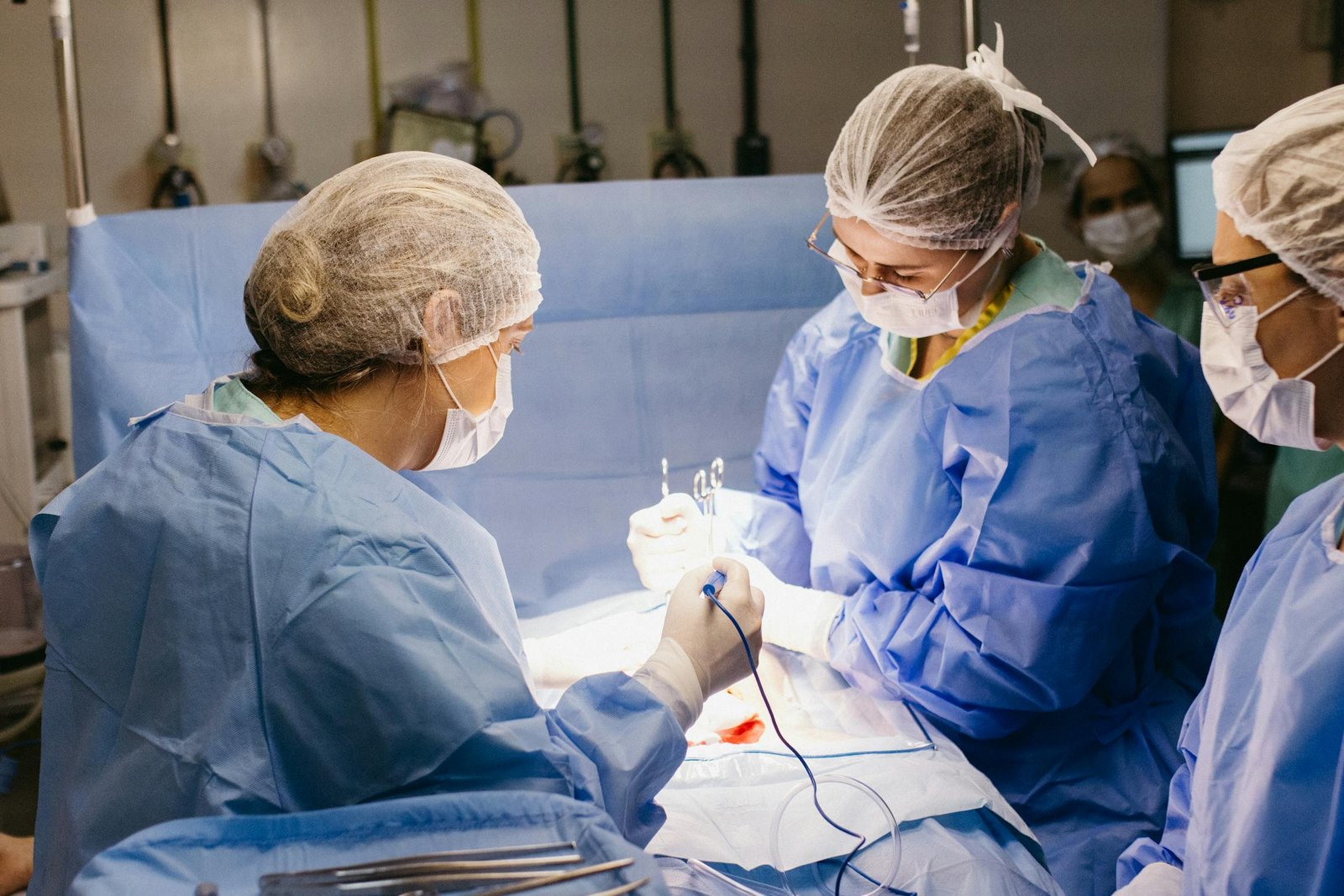


Gallbladder surgery involves the complete removal of a problematic organ from your digestive system. Doctors perform this specific medical procedure frequently, and patients typically return home within a short period. When gallstones cause continuous abdominal pain, medical professionals frequently recommend this standard operation. Here are some questions to ask your doctor before surgery begins:
When Do I Require Surgery?
Hardened deposits block your bile ducts, so patients typically experience severe pain after eating fatty meals. If dietary changes fail to relieve symptoms, gallbladder surgery becomes the primary medical option. A doctor thoroughly evaluates your specific symptoms during the initial medical consultation. Blood tests indicate potential organ inflammation, and ultrasound imaging reveals the exact physical problem.
Because untreated infections cause severe complications, doctors schedule these abdominal operations quite promptly. You discuss all non-surgical alternatives during your preliminary medical evaluation. Medication dissolves certain tiny stones, but operations provide a permanent medical solution. After you understand the exact timeline, you can better prepare for the upcoming medical procedure.
Do You Offer Robotic Surgery?
Many modern hospitals utilize highly advanced robotic systems for these abdominal operations today. Surgeons control the sophisticated machine directly, and the mechanical system executes precise movements. While traditional laparoscopic methods work well, robotic tools offer enhanced visual clarity. You ask your healthcare provider about their specific preferred surgical techniques.
Robotic arms hold tiny medical tools, and they move with mechanical precision. Before you decide on a specific method, ask about the surgeon’s exact robotic experience. Experienced operators complete these complex procedures with minimal physical complications. Some patients prefer newer technologies, but others choose traditional surgical methods.
While some smaller rural clinics lack robotic equipment, larger urban medical centers typically use it daily. Your doctor explains the available technical options during your visit. Inquire about local hospital equipment availability or request a transfer to a different medical facility. If your doctor recommends robotic assistance, ask about the specific reasons for this choice.
How Big Is the Incision?
Experienced surgeons make different types of cuts during this standard abdominal procedure. Because medical techniques vary significantly between providers, your doctor explains the planned surgical approach. Traditional open surgery requires quite large incisions, but modern laparoscopic methods use very small ones. You need clear answers regarding expected physical scarring from the operation.
- Open surgery incisions measure several inches across the abdomen.
- Laparoscopic incisions measure just a few millimeters in length.
- Robotic procedure incisions match the tiny laparoscopic surgical sizes.
What Will I Recover?
Healing requires adequate rest, and your body needs time for complete physical restoration. Patients regain normal digestive function gradually over several weeks. After the problematic organ leaves your body, you adapt to a new digestive process. Your liver produces bile constantly, and it flows directly into your small intestine now.
While you lack a storage organ, your system digests food effectively. Dietary adjustments prevent discomfort, and smaller meals help your digestion immensely. High-fat foods cause temporary digestive issues during the initial weeks. When you slowly reintroduce normal foods, your body processes them without severe pain.
The length of your recovery will depend on several factors, including:
- Your type of surgery
- Your overall health before the procedure
- Your age
Schedule Gallbladder Surgery Near You
Since you understand the surgical process fully, you prepare for the medical appointment. Asking detailed questions creates a better medical experience for every patient, and proper preparation can make the surgery easier. If you experience persistent abdominal pain, contact a specialized medical clinic today to schedule an evaluation.