

Stem cell therapy is a medical procedure, and it uses human cells for treatment. When specialists perform this therapy, they place unspecialized cells into specific body areas. These natural cells serve a distinct general purpose in modern regenerative medicine. Here is more information on what to know before undergoing stem cell therapy:
Utilizing Growth Factors
Because the human body produces natural proteins, growth factors are present in our tissues. Treatments include these necessary proteins, and they direct the injected cells to work efficiently. These tiny molecules regulate many basic cellular activities and fundamental biological functions. These growth factors:
- Stimulate cell division and tissue regeneration.
- Enhance the body’s natural healing processes.
- Promote the development of new blood vessels.
- Support the repair of damaged tissues and cells.
- Regulate inflammation to create an optimal healing environment.
The injected growth factors instruct nearby cells to multiply and grow rapidly. The body responds to chemical signals, but the exact response timeline varies per patient. While the internal healing begins, professionals check each patient’s progress through follow-up appointments and clinical tests. They review these results and make targeted adjustments to the therapy for safe, effective outcomes.
Using Umbilical Cord Cells
While many cell sources exist, professionals may use tissues from donated umbilical cords. Trained personnel collect this tissue safely after healthy births at registered medical facilities. The collection process typically causes no pain, and it presents zero physical risk to mothers. Laboratories typically screen the collected tissues for infectious diseases and known genetic abnormalities.
Umbilical cord tissues contain a large number of useful young cells for treatment. Because these specific cells remain immature, the immune system rarely rejects the introduced tissue. Doctors rely on this low rejection rate, so they prefer this specific biological source. Processing centers freeze the materials carefully for safe storage and future clinical use.
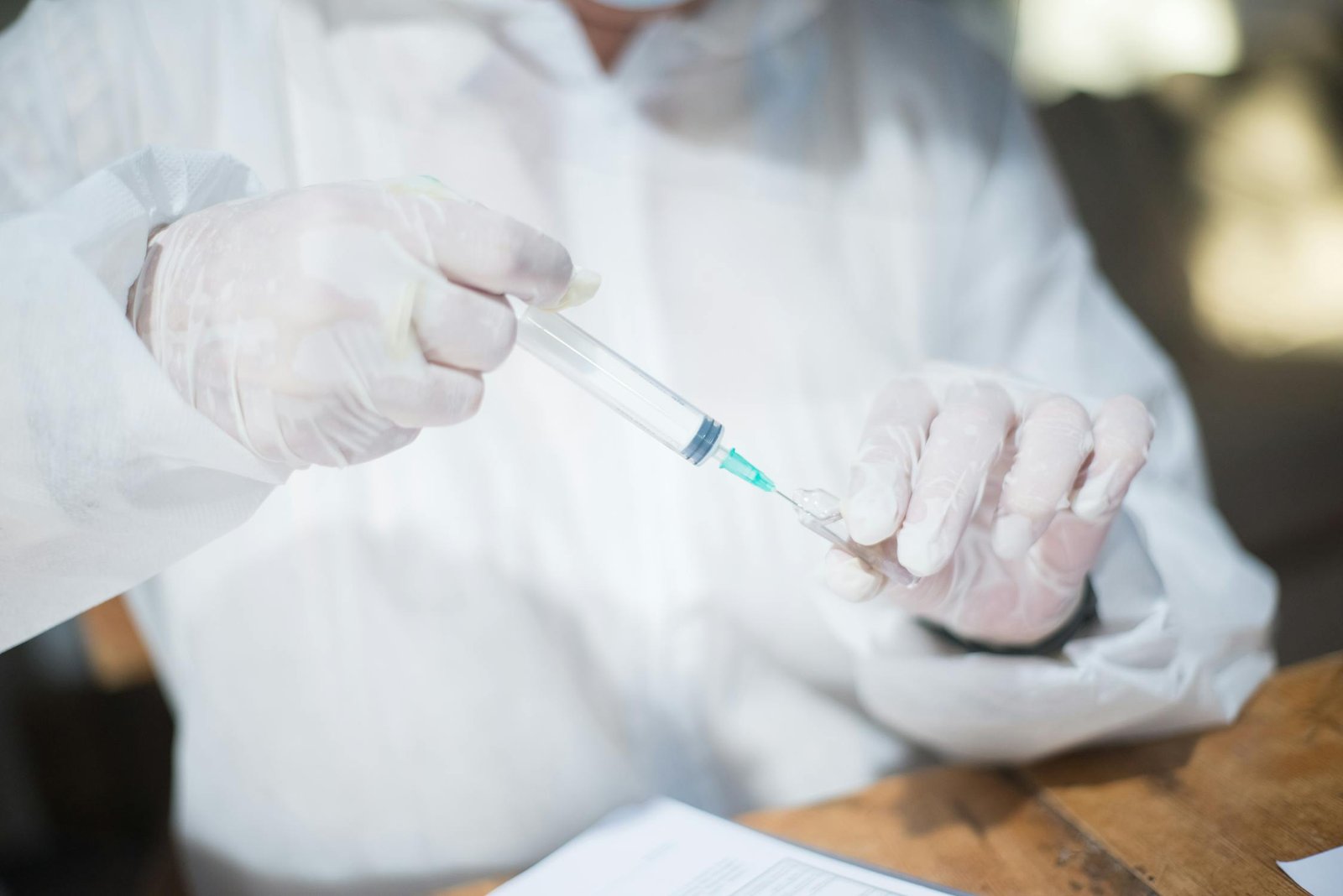
Clinics thaw the preserved cells, and trained technicians prepare the exact dosage for patients. Medical staff administers the prepared cells through direct injections or slow intravenous drips. While the precise delivery method varies, the underlying goal remains the same. Strict medical protocols guide every single step of this precise laboratory and clinical process.
Stimulating Healing
The human body activates a natural recovery sequence; stem cells release signals, and nearby tissues react to them. When stem cell therapy begins, local inflammation decreases gradually. Because cellular communication improves, the recovery phase accelerates. Medical professionals monitor this biological progression closely.
Blood flow increases locally, and new blood vessels form. Patients report gradual changes, or they notice subtle physical shifts. Although individual timelines vary, the biological mechanism acts consistently. Regular checkups track the body’s internal adaptation over time.
Repairing Damaged Tissue
The introduced cells target the specific injured locations. As these cells settle, they form new structural components. Old tissues degrade, and fresh cellular networks replace them. Doctors evaluate the rebuilt areas through standard imaging tests. If the structural integration succeeds, the affected region regains function.
Bring these items to your first visit:
- Recent medical imaging
- Current medication lists
- Previous treatment records
Schedule Stem Cell Therapy Today
Before you book an appointment, gather your medical records. Medical team members answer questions, and they explain the next steps and what to expect. Contact a local clinic today to discuss the available treatments and what they entail.