Medical professionals can remove the gallbladder, and they perform this surgery to treat painful gallstones and alleviate ongoing digestive system distress. This surgical procedure alters your bodily functions, so patients modify their daily diets afterward. While the body adapts over several weeks, proper digestion requires careful dietary management post-surgery. Here is what you should know about gallbladder surgery and your digestive health:
Making Tiny Incisions
Modern surgeons utilize very small cuts, and they actively avoid making large, invasive abdominal openings. When medical teams make these tiny incisions, patients typically heal faster and experience less pain. The surgical team follows specific, standardized steps to prepare the patient for the operation. These exact preparatory steps include the following procedures:
- Shaving and cleaning the abdominal skin thoroughly.
- Marking the precise incision sites with ink.
- Slicing through the outer epidermal tissue layer.
Using Laparoscopic Techniques
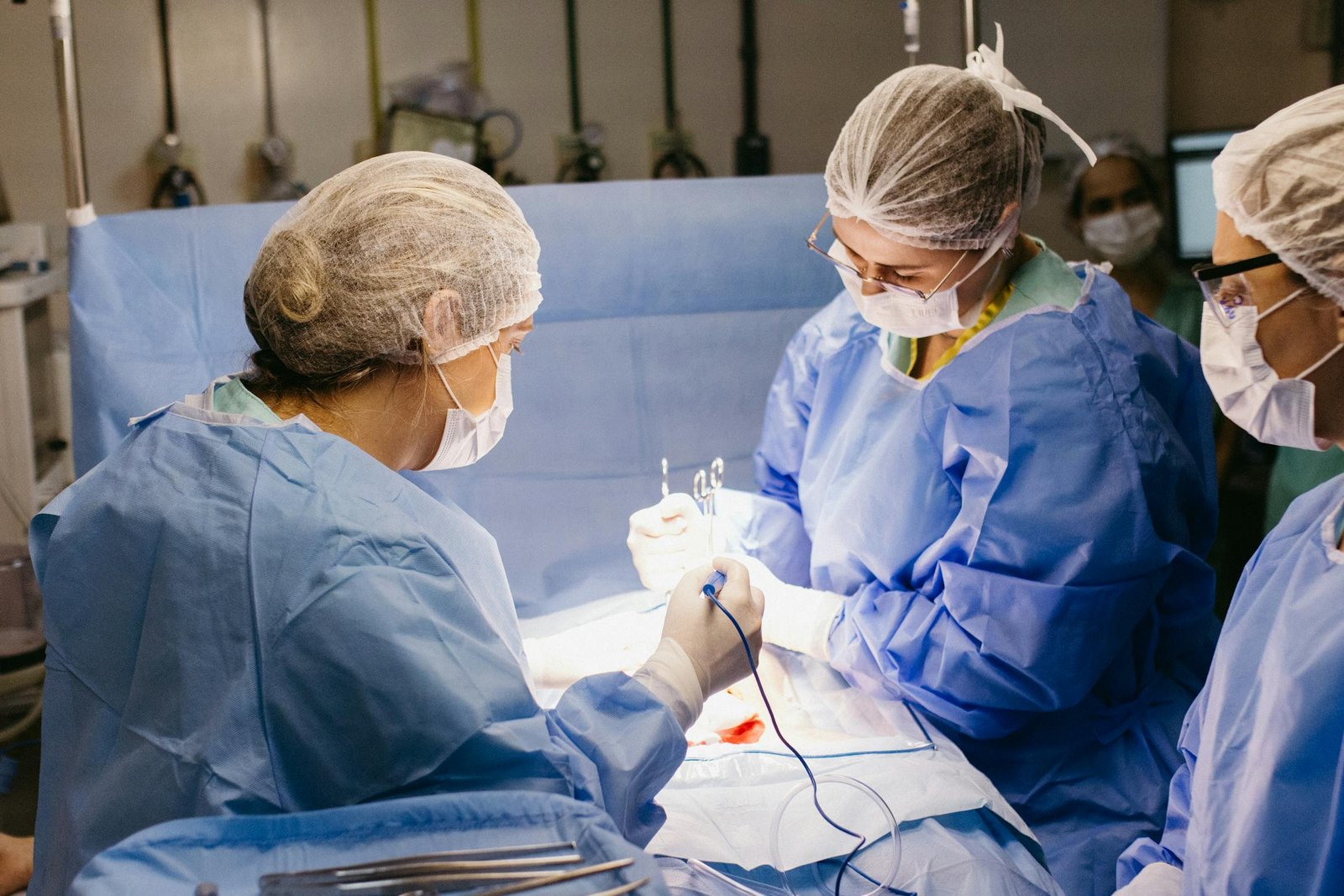
Because laparoscopy requires highly specialized tools, modern clinics use miniature cameras during the operation. The high-definition camera displays the internal abdominal organs clearly on a large operating room monitor. The lead surgeon typically guides the instruments, and the attending nurses watch the video screen. This visual feedback allows for precise movements within the tight spaces of the human abdomen.
Medical-grade carbon dioxide gas inflates the patient’s abdomen at the start of the procedure. While the abdominal cavity remains fully inflated, the surgeon easily sees the surrounding internal organs. The pumped gas creates necessary working space, but it dissipates naturally after the gallbladder surgery concludes. Patients sometimes feel mild shoulder discomfort from this gas during their initial recovery period.
The doctor carefully extracts the diseased gallbladder, and the nurses begin cleaning the surgical instruments. The medical staff securely closes the small abdominal wounds with strong medical stitches or glue. After the surgical procedure officially ends, the transport team moves the resting patient to recovery. Nurses monitor vital signs closely to track the patient’s immediate progress following the anesthesia.
Avoiding Infections
If harmful bacteria enter the fresh surgical wound, a severe infection can quickly complicate recovery. Hospitals maintain sterile operating rooms, and the staff sanitizes all shared medical equipment. Recovering patients typically receive strict bathing instructions to keep their healing incision sites completely clean. Medical professionals prescribe antibiotics to fight off potential bacterial threats during the vulnerable healing phase.
Clean, dry bandages protect the sensitive healing skin from outside environmental contaminants and daily friction. Patients wash their hands frequently with soap, or they risk introducing harmful pathogens to wounds. Careful hygiene prevents many post-surgical issues from developing into severe medical emergencies over time. When you monitor the surgical site daily, you notice abnormal redness or swelling very quickly.
Addressing Issues Early
Unless individuals track their specific food intake, they typically experience unexpected and uncomfortable stomach distress. Physicians check for unusual abdominal pain or persistent nausea during routine post-operative follow-up visits. Dietary adjustments resolve most mild digestive problems within the first few months of recovery. Digestion changes abruptly after gallbladder removal, so patients monitor their daily meals for negative reactions.
Schedule Gallbladder Surgery Near You
These specialized facilities routinely provide comprehensive gallbladder removal procedures for qualifying patients. Timely medical intervention treats current gallstone attacks and begins the standard digestive recovery process. Before your abdominal condition worsens drastically, contact a local medical clinic for a detailed consultation. Call a surgery clinic today, and the administrative staff can book your initial appointment.