Cataracts are a common ocular condition, and they affect the transparency of the eye’s natural lens. Patients may experience a gradual decline in visual acuity over time. Understanding the long-term effects of untreated cataracts helps individuals make informed medical decisions. Here is more information on the progression of the condition and the available treatment options:
What Are Cataracts?
Cataracts are a clouding of the normally clear lens of the eye. The lens focuses light onto the retina, which then transmits images to the brain. Protein structures within the lens break down over time and clump together, forming opaque areas. These opaque areas gradually expand, and they block more light as the condition advances.
What Causes Them?
Aging is the primary factor in cataract formation, but other physiological and environmental variables also contribute. Genetic predispositions can make certain individuals more susceptible to early onset, and systemic health conditions like diabetes accelerate the process. Previous eye surgeries or injuries increase the likelihood of developing cataracts. Prolonged exposure to ultraviolet radiation damages lens proteins, initiating the clouding effect.
What Are the Symptoms?
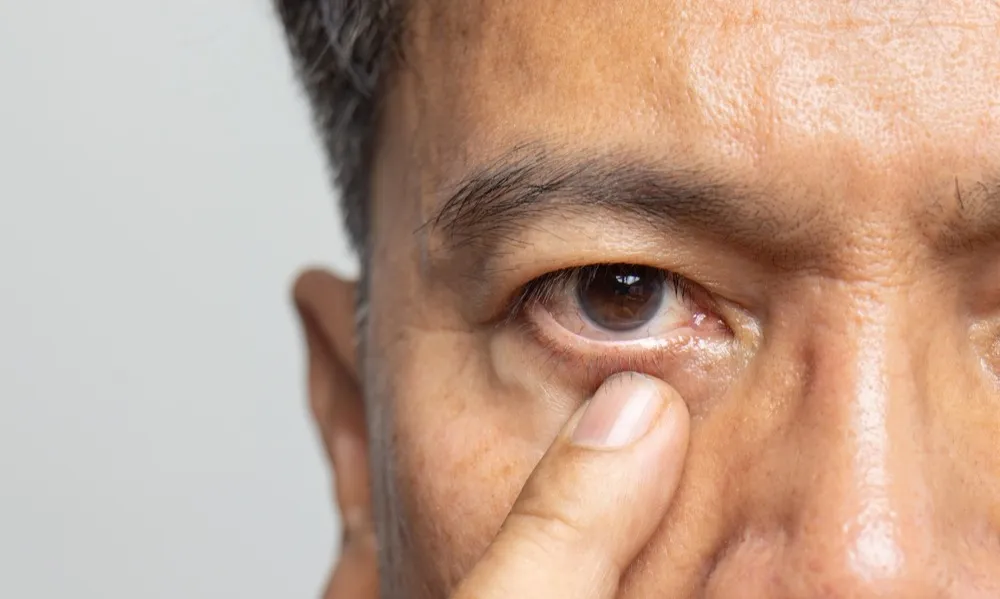
Patients may initially report mild blurring of vision, which mimics the sensation of looking through a foggy window. Colors may appear faded or yellowed over time. Glare from headlights or lamps becomes increasingly disruptive, and double vision sometimes occurs in the affected eye. Frequent changes in eyeglass prescriptions indicate structural changes in the lens, and these visual disturbances worsen without medical intervention.
What Are the Long-term Effects?
Leaving cataracts untreated leads to a reduction in visual function, and this eventually results in severe vision loss. The lens becomes increasingly dense and opaque as the condition advances. This extreme clouding blocks all functional vision, resulting in total blindness in the affected eye. This severe stage of the condition limits daily activities and reduces independence.
Untreated cataracts can also trigger secondary ocular complications. A hypermature cataract may leak proteins into the eye, triggering an inflammatory response. This inflammation can block the drainage of eye fluid, leading to secondary glaucoma. Elevated intraocular pressure damages the optic nerve, and this creates visual deficits.
What Are the Treatment Options?
Medical intervention remains the only definitive method to remove a cataract. Eye care specialists recommend surgery for patients with compromised vision, and the procedure involves removing the clouded lens. The surgeon replaces the natural lens with an artificial intraocular lens implant. This artificial lens restores light transmission, which improves the patient’s visual acuity.
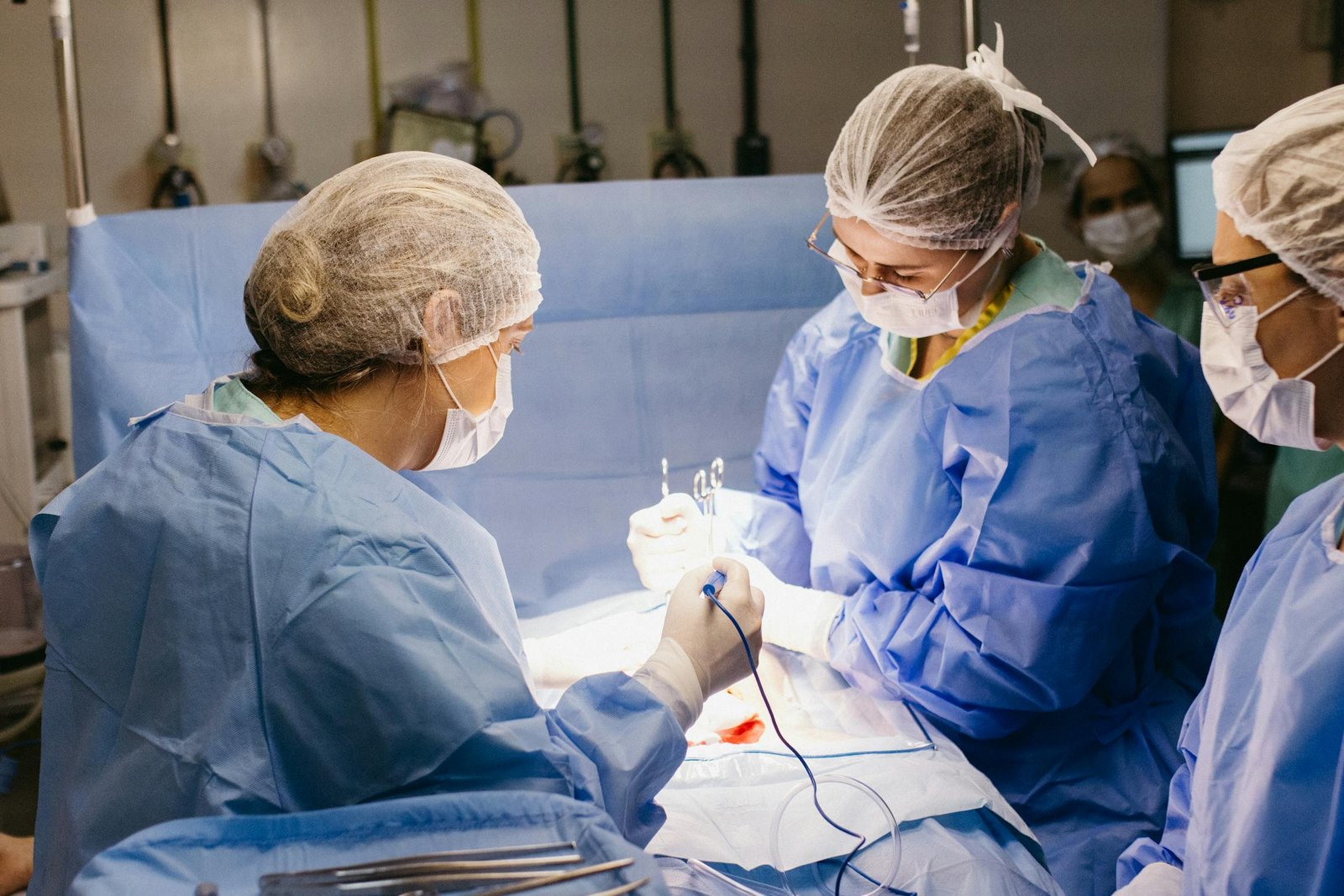
Cataract surgery is a standard outpatient procedure. The surgeon numbs the eye and uses advanced technology to break up the cloudy lens. The medical team provides post-operative care instructions, and full visual recovery may occur within a few weeks.
Learn More About Treatment Today
Untreated cataracts cause progressive vision loss and can lead to secondary complications like glaucoma. Medical evaluations determine the severity of the condition, and cataract surgery is a proven method to restore vision. Patients benefit from regularly monitoring their visual symptoms. Schedule a consultation with an eye specialist today to explore your specific treatment options.