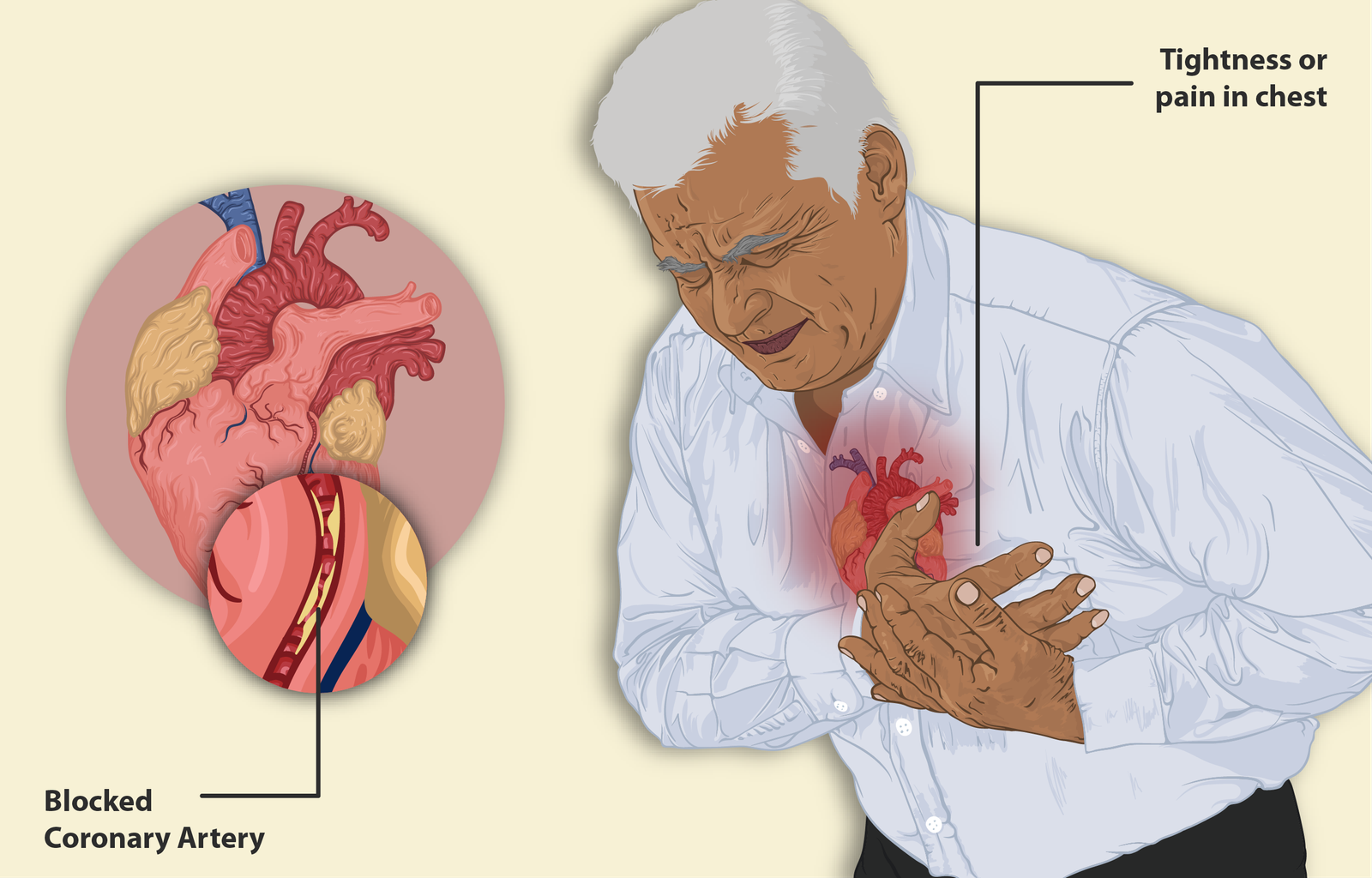
Chest pain is a broad term for any ache, sharp sensation, or tightness in the upper torso. This type of pain can stem from a wide variety of bodily systems, including your muscles, lungs, or digestive tract. Heart attack symptoms occur when blood flow to the heart muscle is severely reduced or blocked, and this leads to a specific set of physical reactions. Differentiating between general chest pain and a heart attack involves observing the pain’s nature, duration, and any accompanying physical signs. Learning to recognize these distinctions helps you make informed decisions about your health and know when to seek appropriate care.
Chest Pain
Many instances of chest pain begin entirely outside the cardiovascular system. The sensations may be sharp, brief, or connected to specific movements. Everyday chest pain sometimes results from issues with your muscles, or it can stem from digestive problems. Straining a muscle in your chest wall or inflammation in your rib joints can cause localized pain. This pain often worsens when you press on the area or take a deep breath. Gastrointestinal conditions like acid reflux or heartburn can produce a burning sensation behind the breastbone. The discomfort often appears after eating or while lying down, making it easy to mistake for a heart concern.
Respiratory problems such as asthma or chest infections often cause chest discomfort, and these are usually accompanied by a cough or pain that changes with your breathing. Anxiety and stress can also cause physical symptoms, including a racing heartbeat and tightness in the chest. Although these responses may feel intense, they are usually temporary and related to emotional distress. Understanding these common, non-cardiac sources of chest pain can offer valuable insight into your health.
Heart Attack Symptoms
Unlike a brief, sharp muscle ache, a heart attack generally presents with a cluster of distinct, prolonged signs. The discomfort is often described less as a sharp pain and more as a heavy pressure or squeezing sensation in the center of the chest. This sensation usually lasts for more than a few minutes, or it may go away and come back.
Common signs associated with a heart attack include:
- Radiating Discomfort: The pressure may spread to your arms and up to your jaw. It can also affect your back or stomach.
- Shortness of Breath: You may feel unable to catch your breath, even while resting. This may occur with or without chest discomfort.
- Cold Sweats: Breaking out in a sudden, unexplained cold sweat is a frequent indicator.
- Nausea or Lightheadedness: Feeling suddenly dizzy, lightheaded, or sick to your stomach often accompanies the chest pressure.
Professional Help
If you are unsure about the cause of your discomfort, it is safer to have a medical professional evaluate your condition. Monitor your symptoms closely, and call emergency services immediately if the pain persists or worsens. Do not attempt to drive yourself to the hospital if you suspect a heart attack. Emergency responders can begin evaluating your condition upon arrival and provide necessary support on the way to the emergency room.
Talk to a Cardiologist Today
Maintaining proactive communication with a healthcare professional is recommended for managing your long-term health. If you experience recurrent, unexplained chest pain or have concerns about your cardiovascular risk factors, schedule a consultation with a specialist. A cardiologist will evaluate your personal health history, and they can conduct appropriate testing and help you understand your cardiovascular health. Taking this step helps you obtain the accurate, precise information you need to support your well-being.