

The human spine consists of individual bones called vertebrae, which are separated by soft, shock-absorbing structures known as intervertebral discs. When these discs undergo structural changes or damage, they often impact nearby nerve roots. Patients experiencing nerve pain radiating down their leg often discover that a herniated disc lies at the root of their discomfort. Understanding spinal mechanics helps clarify why a problem in the lower back causes symptoms to appear in the lower extremities.
What Is a Herniated Disc?
An intervertebral disc features a tough, fibrous outer ring and a gel-like inner core. Normal wear and tear associated with aging can cause the outer ring to weaken or tear, and sudden traumatic injuries from lifting heavy objects improperly also result in immediate damage to the disc structure. When a tear occurs, the soft inner material pushes out through the rupture into the spinal canal. Medical professionals refer to this event as a herniated disc.
The spinal canal possesses limited physical space. When disc material enters this confined area, it places direct mechanical pressure on the sensitive spinal nerves exiting the spinal cord. This mechanical compression generates localized back pain and can cause referred nerve pain.
What Is Sciatica?
Sciatica describes a specific set of symptoms rather than a standalone disease process, which occurs when the sciatic nerve becomes compressed or irritated. The sciatic nerve represents the longest and thickest single nerve in the human body. It forms from several different nerve roots that exit the lumbar spine and the sacrum, joining together to travel deep through the buttocks and down the back of each leg to the toes.
When a herniated disc in the lower back presses against one of these specific nerve roots, it triggers the condition known as sciatica. Patients typically experience a sharp, shooting pain that originates in the lower back or buttocks and radiates down the precise path of the nerve into the leg. Individuals might also feel numbness or a tingling sensation.
How Are They Treated?
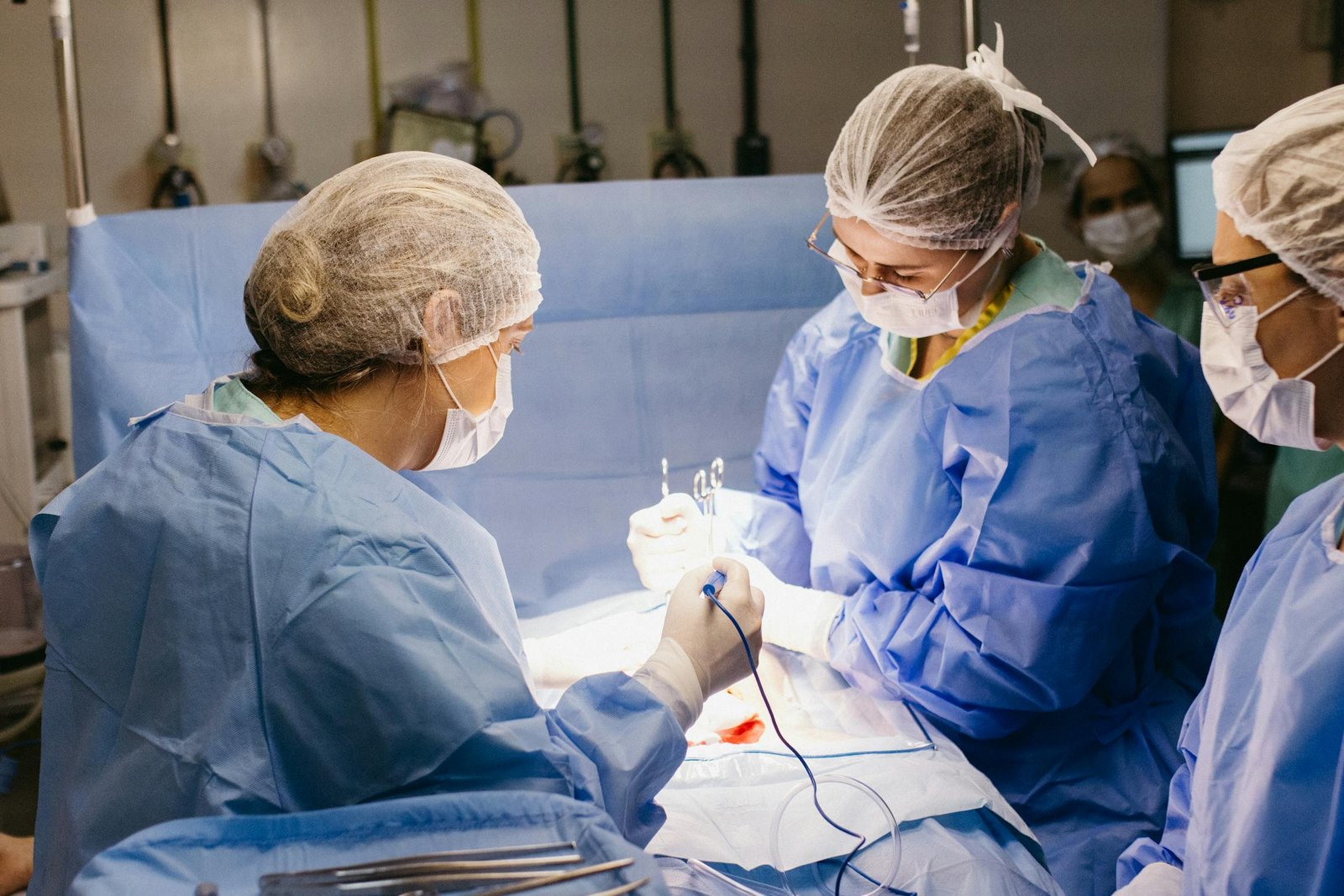
Medical providers typically recommend starting the recovery process with conservative, non-surgical treatments. Resting for a brief period helps alleviate pain flares, but prolonged bed rest can worsen the condition by stiffening muscles. Physical therapy plays a central role in physical recovery. Therapists design specific stretching and strengthening exercises to support the lower back, relieving mechanical pressure on the sciatic nerve. If conservative measures fail to provide relief after dedicated therapy, surgical intervention becomes a viable option. Surgeons may perform a highly specialized procedure that removes only the herniated portion of the disc. This aims to effectively decompress the spinal nerve.
Consult a Spine Specialist
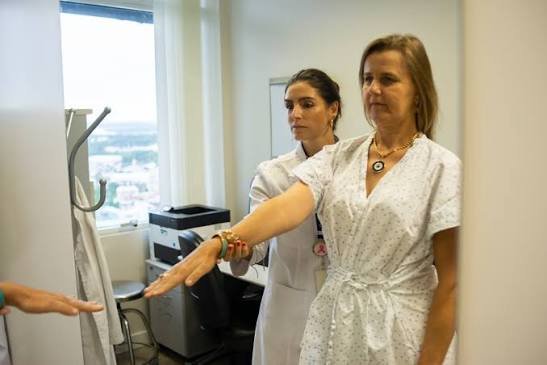
Addressing back and leg pain requires an accurate and thorough medical diagnosis. Early medical evaluation prevents potential long-term nerve damage and helps formulate a tailored treatment plan suited to the patient. Specialists guide patients through the various treatment phases, monitoring progress closely and adjusting physical therapies or medications as needed. Reaching out to a medical professional represents the most effective step toward managing nerve compression and restoring full daily function.