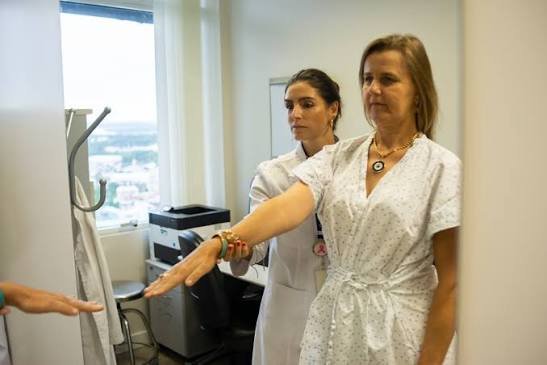


A primary care physician is a main healthcare provider, and this doctor manages your overall well-being. Care coordination involves organizing patient care activities among different providers. When doctors share information with relevant parties, they build a unified treatment plan for the patient. By tracking test results and specialist visits, doctors guide patients through complex health systems.
Defining Primary Care Physicians
A primary care physician acts as your first point of contact for undiagnosed health concerns. You visit this doctor for routine checkups, and they maintain your comprehensive medical history over time. These medical professionals diagnose everyday illnesses, prescribe medications, and order preventative screenings. Because they know your baseline health, they can quickly identify abnormal changes. Some doctors specialize in internal medicine, while others focus on family practice or pediatrics.
Understanding Care Coordination
Care coordination synchronizes the delivery of healthcare services. When a patient requires multiple specialists, the primary doctor steps in to manage the communication. They gather records from various clinics, and they review these documents to prevent conflicting treatments.
Because healthcare systems can be separated by speciality or distance, some patients face challenges when navigating different departments. Coordination eliminates this confusion. The primary doctor acts as a central hub for all medical data. They share relevant laboratory results with surgeons, and they update pharmacists about new prescriptions.
Effective organization relies on a few key elements:
- Clear communication between all medical staff members.
- Secure transfer of electronic health records.
- Regular follow-up appointments with the patient.
- Alignment of treatment goals across all medical disciplines.
Coordinating Patient Medical Care
Primary doctors use their extensive training to connect patients with the right specialists. When you present symptoms requiring advanced care, your doctor evaluates the situation and provides a referral. They send a detailed summary to the specialist, and this document outlines your current medications and past procedures.
Your primary doctor reviews the consultation notes from the specialist. They integrate the specialist’s recommendations into your daily routine, and they monitor your body’s response to the new treatment. If a prescribed medication causes side effects, your primary doctor can adjust the dosage.
They also organize post-hospitalization transitions. When a hospital discharges a patient, the primary doctor schedules a follow-up visit. They review the hospital records and verify the new medication list; they also schedule any required physical therapy sessions.
Performing Additional Medical Duties
Beyond referring patients to specialists, primary providers also deliver direct preventive care. They administer routine vaccinations, and they conduct annual physical examinations to catch diseases early. When they screen for high blood pressure and diabetes, providers help prevent minor issues from becoming severe health crises.
Your doctor also provides routine lifestyle counseling. They discuss diet modifications, and they offer strategies for healthy weight management. When patients struggle with tobacco addiction, doctors prescribe cessation aids.
Their duties encompass acute care as well:
- Treating sudden infections like bronchitis or strep throat.
- Managing minor injuries, including sprains and cuts.
- Diagnosing sudden rashes or allergic reactions.
Through these varied responsibilities, they maintain a complete picture of your health. They treat immediate ailments, and they plan for your long-term wellness.
Learn More About Primary Care
Primary doctors manage your daily health needs and coordinate your specialized treatments. By acting as the central point for your medical records, they protect you from conflicting medications; they provide preventative screenings, treat acute illnesses, and guide you through complex healthcare networks. If you want to learn more about primary care and care coordination, consult a primary care physician near you.