


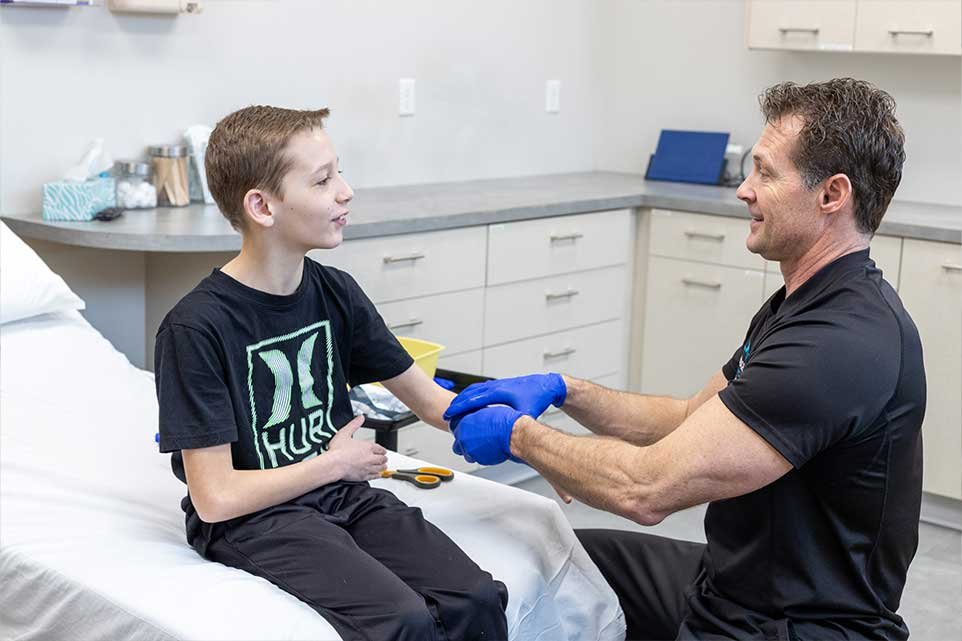
Medical situations vary in severity, and patients need appropriate facilities for treatment. Emergency rooms handle severe cases, but other facilities manage minor injuries. Understanding the difference helps individuals make appropriate medical choices. Here is more information on urgent care for non-life-threatening issues:
What Are Non-life-threatening Issues?
Non-life-threatening issues are medical conditions that do not present an immediate danger to a person’s life or long-term health. These conditions cause discomfort or pain, but they do not require the advanced life-saving interventions typically provided in an emergency room. Patients with these conditions may maintain stable vital signs with symptoms remaining localized to one area. Urgent care centers evaluate and treat these specific types of medical issues.
Examples of these conditions include minor cuts, mild allergic reactions, and uncomplicated respiratory infections. A sprained ankle causes physical pain, but it does not threaten the patient’s overall survival. Medical professionals assess these injuries to provide necessary clinical interventions such as basic wound closure. Patients receive appropriate medical attention without extended wait times.
What Causes Them?
Various environmental and behavioral factors contribute to the onset of minor medical conditions. People engage in physical activities daily, and these activities sometimes result in mild musculoskeletal injuries. A person may trip on a public sidewalk or overextend a muscle during routine exercise. These physical traumas produce localized pain and swelling, prompting a medical visit.
Exposure to common pathogens serves as another cause of non-severe illnesses. Viruses and bacteria circulate in public spaces and routinely infect the upper respiratory tract. Patients develop physical symptoms such as coughing or a sore throat, and they seek a clinical diagnosis to alleviate their discomfort. Seasonal changes also trigger mild allergic reactions, producing similar respiratory symptoms.
What Is Urgent Care?
Urgent care is a category of walk-in medical clinics focused on delivering ambulatory patient care. These facilities operate outside traditional hospital emergency departments, and they primarily treat injuries or illnesses requiring immediate attention. Patients utilize these centers when their regular doctor is unavailable, and they need a prompt medical evaluation. Medical staff use diagnostic tools to identify minor fractures and to confirm specific bacterial infections.
What Are the Available Services?
These medical centers provide a range of diagnostic and therapeutic interventions. The clinical staff performs basic physical examinations and administers specific diagnostic tests to identify the underlying medical issue. Patients receive treatment for minor infections, and clinicians manage simple musculoskeletal injuries. The facilities also offer preventive services.
The specific services available at these clinics encompass a range of routine medical procedures. Medical providers follow established protocols to deliver these targeted treatments. These interventions address common ailments, and they stabilize the patient’s physical condition. Patients can expect the following diagnostic and treatment options during their visit:
- Evaluation and suturing of minor lacerations or skin abrasions
- Diagnostic X-rays for suspected minor fractures or joint sprains
- Laboratory testing for strep throat, influenza, and urinary tract infections
- Prescription of appropriate antibiotics and pain management medications
How Is Urgent Care Beneficial?
Utilizing these clinics offers advantages for patients experiencing minor medical episodes. The centers typically operate extended evening hours to accommodate patients outside standard business hours. Individuals do not need to schedule an appointment in advance, so they can seek treatment immediately after an injury occurs. This accessibility provides a practical solution for unexpected medical needs.
Seek Medical Attention Today
Prompt medical evaluation helps prevent minor symptoms from developing into significant health complications. Individuals experiencing mild discomfort or localized pain should consult a medical professional. Clinicians will review the physical symptoms, and they will recommend a treatment plan. This approach addresses the immediate physical complaint and promotes physical recovery.

Leave a Reply