


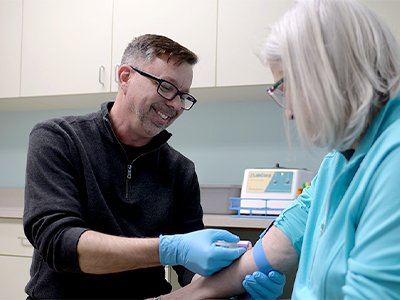
The first appointment at a primary care facility is an initial step to building a long-term relationship with a healthcare provider. Upon entering the facility, you may have questions about the process and interactions with medical staff. Your initial visit involves collecting key health details to create a personal medical profile and support future care.
What Is Primary Care?
Primary care serves as the initial point of access for general medical needs and continuous health management. Primary care practitioners (PCP) address your overall health, rather than focusing on a single system or specialty. They maintain your comprehensive medical records, review your history at each visit, and provide informed referrals to specialists when necessary. This coordination prevents duplication of services and helps organize all aspects of your care. This care setting often serves as a reliable point of contact, offering guidance on test results, medications, and follow-up needs.
What Should You Expect?
During your first visit, the process can begin with an administrative check-in and require the completion of intake forms. Once documentation is complete, clinical staff may measure your vital signs. These figures provide a baseline reference for ongoing assessment.
The primary care provider will then conduct a physical examination, listening to your heart and lungs and observing your general condition. A detailed medical conversation will follow, which can cover any current symptoms, recent illnesses, prior treatments, and aspects of your daily habits. This includes factors such as nutrition, activity patterns, and sleep.
Based on your discussion and examination, the provider may recommend various laboratory tests to further evaluate your health status. Preventive screenings appropriate for your age or family history, like blood pressure monitoring or diabetes testing, may also be discussed. Vaccination reviews are commonly performed, and updates can be provided as needed. Referrals to specialists for advanced evaluation may be arranged in cases where specific concerns or risk factors arise.
Why Is Primary Care Important?
Ongoing visits to a PCP help maintain stable health by tracking changes in your condition over time. Providers monitor for trends or subtle changes that might indicate developing issues and support early detection and management. Regular contact also supports ongoing care for chronic conditions, such as diabetes or hypertension, where tailored medication adjustments or lifestyle support may be offered.
Routine preventive care, including immunizations and screenings, is an integral aspect of primary care. Having an established relationship with a PCP can also simplify access to care for acute or unexpected illnesses, as recordkeeping and familiarity facilitate more personalized care. This continuity helps build trust, allows for informed decision-making, and promotes more coordinated and efficient management of your health over time.
Speak With Your Provider
At the end of your first appointment, check with the administrative staff to schedule any necessary follow-ups or laboratory visits. If you receive new prescriptions, clarify the dosing instructions and potential side effects before leaving. Commit to honest discussion with your healthcare team. Building a collaborative relationship with your provider supports better long-term health outcomes and helps you navigate the healthcare system with greater clarity.



Leave a Reply