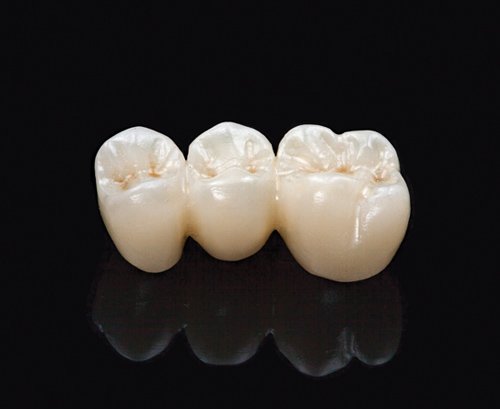
Dentists often use crowns and bridges to repair damaged teeth and replace missing ones, helping to restore both function and appearance. A dental crown typically covers a damaged tooth, reinforcing its structure and improving aesthetics. On the other hand, a dental bridge fills the gap left by one or more missing teeth, relying on surrounding teeth or implants for support. If you’re preparing for a crown or bridge placement procedure, understanding the process is helpful for a smooth experience. Here’s what you can expect during a crown or bridge placement:
Initial Consultation and Examination
The first step in the crowns and bridges process is an initial consultation and examination. During this stage, your dentist evaluates the condition of your teeth and identifies whether a crown or bridge is the most suitable solution. Advanced diagnostic tools such as X-rays or digital scans are often used to examine the structure of your teeth and surrounding tissues. This is also the time to discuss your medical history and any symptoms you’ve been experiencing, such as tooth pain or difficulty chewing. The information gathered helps your dentist create a treatment plan tailored to your needs.
Tooth Preparation Process
Once you and your dentist decide to proceed, the next step involves preparing the affected tooth or teeth. For a dental crown, this includes reshaping the tooth to make room for the crown. This may involve removing damaged or decayed portions and reshaping the structure to provide a stable base. When dealing with a dental bridge, the teeth adjacent to the gap, known as abutment teeth, are also shaped to support the bridge.
After preparation, the dentist takes detailed impressions or scans of your teeth. These are sent to a dental lab where a precise model of your crown or bridge is created. These models make sure that the final restoration fits perfectly and functions correctly with the rest of your teeth.
Temporary Crown or Bridge Placement
While your permanent crown or bridge is being fabricated, a temporary restoration is placed to protect the prepared teeth. Temporary crowns or bridges serve as a functional placeholder, allowing you to eat and speak normally. They also help safeguard the exposed tooth structure from sensitivity or damage.
It’s helpful to be mindful of your temporary restoration by avoiding sticky or hard foods that could dislodge or damage it. The temporary fixture may not match the final restoration’s color or fit perfectly, but it aids comfort and functionality.
Final Restoration Fitting and Cementing
Once your permanent crown or bridge is ready, you will return to the dental office for fitting and placement. During this appointment, your dentist will test the restoration for proper fit, alignment, and appearance. Adjustments may be made to make sure the crown or bridge feels natural and comfortable.
After confirming the fit, the permanent crown or bridge is cemented onto the prepared tooth or teeth. If adjustments are required, the dentist will refine the restoration until it integrates seamlessly into your bite. Proper alignment is key to preventing issues like jaw discomfort or uneven wear on other teeth. Following the procedure, your dentist may provide instructions on caring for your new restoration to enhance its longevity.
Schedule a Crowns and Bridges Appointment Today
Crowns and bridges provide key solutions for tooth restoration by improving oral functionality and aesthetics. You can confidently approach the process by understanding the crowns and bridge stages. Book an appointment with your dentist today to learn more about crowns or bridges and how they fit into your dental care.