


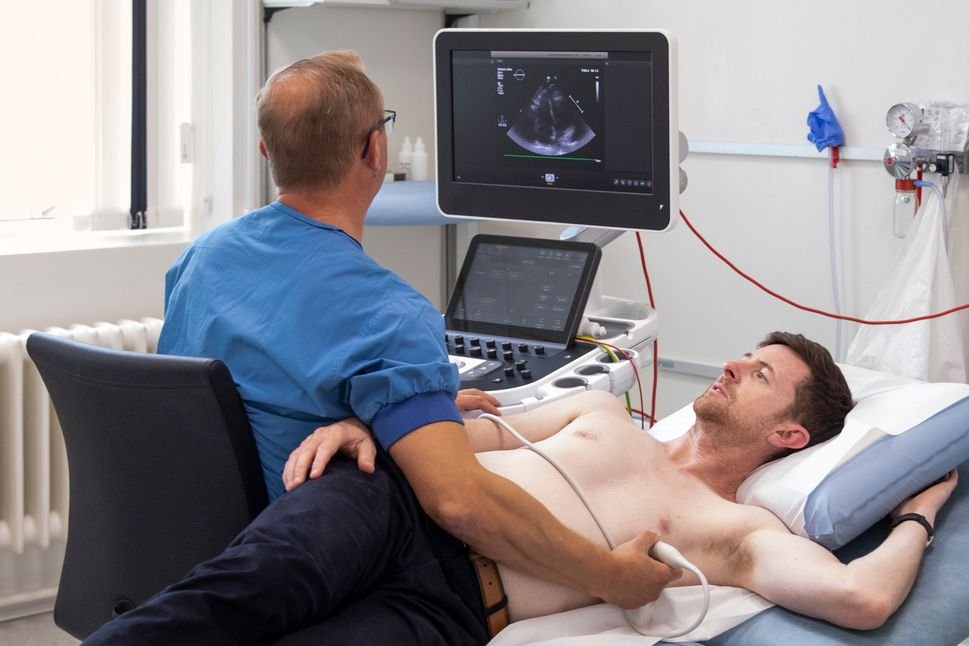
The specialized medical field of cardiology focuses on treating complex disorders of the heart and blood vessels. When experienced physicians suspect an underlying structural heart problem, they immediately order specific diagnostic tests. These advanced diagnostic tools help identify physical conditions accurately, and they consistently guide your treatment plans. Here is more information on diagnostic tools that are used in cardiology:
Electrocardiograms
If a patient feels unexplained chest pain, medical providers quickly attach sticky sensors to the skin. An electrocardiogram (EKG) prints a detailed graph, and healthcare providers read the visual results immediately. Because the EKG device acts passively, you feel no uncomfortable electrical shocks during the test. Doctors evaluate specific cardiac issues during this entirely painless and fast clinical procedure:
- Abnormal rapid heart rhythms
- Prior damaging heart attacks
- Restricted coronary blood flow
Echocardiograms
A traditional clinical echocardiogram uses high-frequency sound waves, and it creates detailed moving internal body pictures. Experienced cardiologists carefully evaluate the precise daily functioning of your individual heart valves during the scan. While the handheld medical transducer moves slowly across your chest, it sends clear images directly.
The trained ultrasound technologist records the entire procedure for future medical review. A highly comprehensive stress echocardiogram actively involves mild to moderate physical exercise in a safe environment. You walk briskly on a motorized medical treadmill, or you ride a sturdy stationary exercise bicycle.
As your resting heart rate increases steadily during exercise, the technician captures many additional ultrasound pictures. This active physical assessment effectively reveals hidden coronary artery blockages safely. The procedure is carefully monitored by trained medical professionals, and any irregularities in heart function are promptly addressed to promote patient safety.
Carotid Doppler Scans
Because healthy blood flows directly to the human brain, doctors closely monitor the neck arteries. A highly specialized carotid Doppler scan explicitly measures this very specific vascular blood movement quite accurately. The fast test checks for dangerous arterial plaque buildup, and it safely identifies minor vessel blockages. Doctors carefully review these detailed scan results during your next scheduled office visit.
Ultrasound technicians apply warm water-based gel to your neck, so the handheld probe glides easily and captures accurate images. The device sends out sound waves that map blood flow in real time. During the scan, you simply lie still while the technician gathers information. This cardiology clinic service is comfortable and typically finished within minutes.
Nuclear Stress Tests
Doctors inject a small amount of safe radioactive tracer into your bloodstream. The tracer travels directly to your heart, and a special camera takes detailed pictures. While you rest quietly, the machine measures the baseline blood flow to your heart muscle. After the resting scan finishes, you exercise safely on a medical treadmill, and a second scan captures precise images of your active heart.
Find a Cardiology Clinic
Local medical centers routinely offer these standard diagnostic tests to check and monitor your heart health. You need a proper referral, so you must speak with your primary doctor first. If you need a thorough heart evaluation, contact a specialized cardiology clinic today to begin the process of monitoring your heart health.
Leave a Reply