


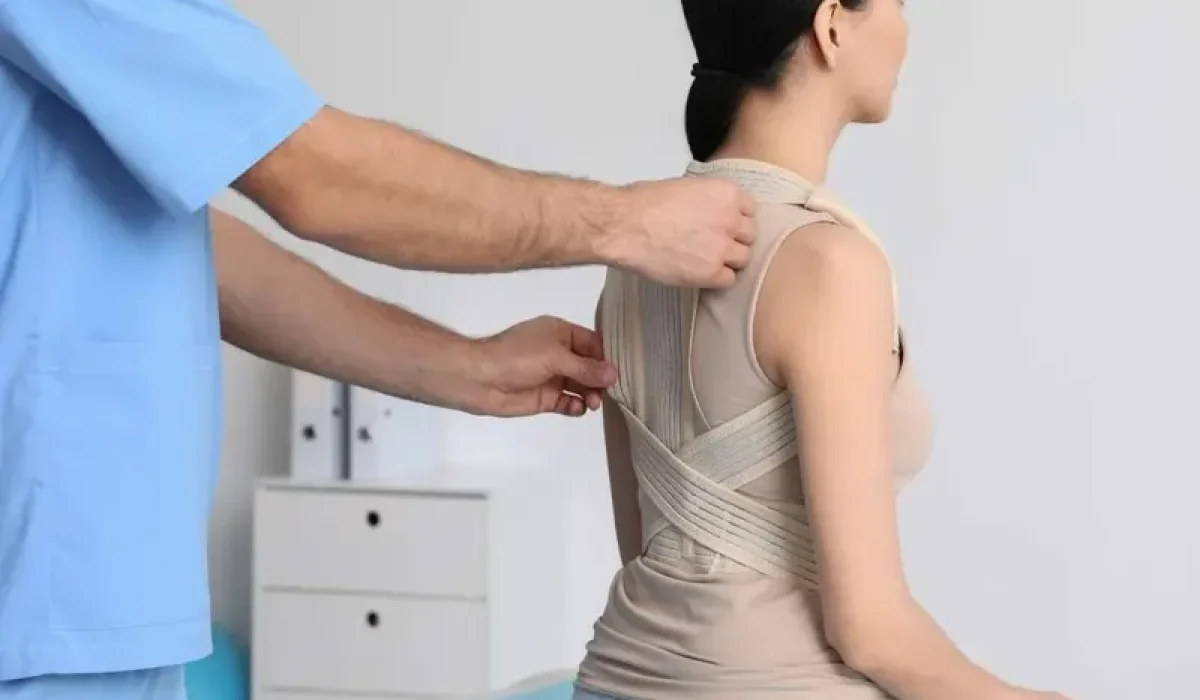
Headache symptoms can occur with a wide range of physical activities, including sports and exercise. In some cases, strain, dehydration, impact, or changes in blood flow may contribute to discomfort during or after athletic activity. While some episodes may be temporary, recurring or severe symptoms may point to an underlying issue that should not be ignored. Here’s a closer look at the connection between headache patterns and sports participation:
Recognizing Activity Triggers
Specific bodily changes occur during exercise, and these shifts often cause a headache. You should review these biological mechanisms to understand your body’s reactions. Here are some of them:
- Blood vessel expansion: Physical exertion increases blood flow to the brain, dilating blood vessels and causing throbbing pain.
- Dehydration: Losing fluids through sweat reduces overall blood volume, which can lead to pain if you do not replenish fluids.
- Muscle tension: Straining your neck or shoulder muscles during heavy lifting creates localized tension, which radiates into the head.
- Blood sugar drops: Exercising on an empty stomach depletes your glucose, and this drop often triggers an acute headache.
Identifying these biological reactions is helpful, and it gives athletes a clear baseline for managing their symptoms.
Identifying Sports-Related Risks
Certain athletic environments present higher risks for headaches, and athletes should recognize these conditions. High-altitude training reduces the amount of oxygen available to your brain, which often triggers a headache. You should monitor your body closely in these settings.
Heat exposure is another major risk factor during outdoor sports. Running in high temperatures accelerates fluid loss, and rapid dehydration increases the likelihood of a headache. Prolonged sun exposure often contributes to physical strain, which aggravates existing symptoms.
High-impact sports involve sudden movements, and these actions sometimes jar the body. Frequent jumping increases the mechanical stress on your neck. Constant jarring creates structural tension, and this may eventually manifest as a throbbing headache.
Reducing Headache Problems
You can incorporate several key strategies into your routine to help prevent exercise-induced headache. Here are some key strategies to evaluate:
- Hydration routines: Drink water before, during, and after your workout to maintain adequate hydration.
- Proper warm-ups: Start with light cardio to gradually increase your heart rate and prevent sudden spikes in blood pressure.
- Form correction: Keep a neutral spine during weightlifting to reduce the muscular tension that causes pain.
- Nutrition timing: Eat a small meal before exercise to stabilize your blood sugar.
Applying these preventive measures can significantly reduce the frequency of sports-related headaches.
Seeking Medical Care
Most exercise-induced headaches are benign, but some symptoms require immediate medical evaluation. You should seek medical attention if your symptoms begin abruptly and are severe, as this may indicate a medical emergency. Recognizing these warning signs is a fundamental safety practice.
A headache accompanied by vision changes or neck stiffness requires professional assessment. Medical staff evaluate these symptoms, and they run clinical tests to determine if you have an underlying neurological condition. A persistent headache lasting several days also requires a clinical review. A doctor provides a proper diagnosis, and this evaluation guides your future physical activity.
Schedule Your Headache Appointment
The connection between physical exertion and a headache involves various biological and environmental factors. You can manage some symptoms by staying hydrated and maintaining proper form, which allows you to exercise safely. Monitoring your body remains a key practice, and this habit protects your long-term health. Contact a qualified healthcare provider near you to schedule your headache appointment today.