


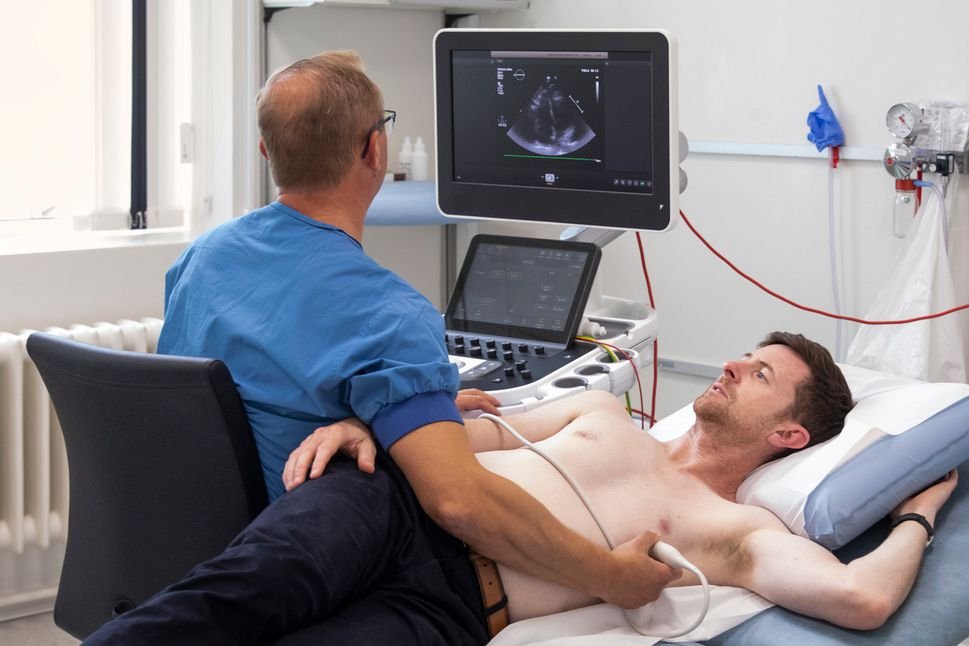
Doctors use echocardiograms to gather precise information. The test offers data, and it supports treatment planning. When you experience chest pain, the exam shows how the heart is working in detail. Since accurate diagnosis is necessary, doctors use these visual results to guide medical decisions.
Mechanics of the Procedure
The echocardiogram sends sound waves into your chest, so doctors observe your heart in real time. Electrodes may be placed on your chest to monitor your heartbeat and support image collection. Gel is applied to your skin to transmit sound waves. The test includes several views, and it may require you to change positions or hold your breath briefly. These small adjustments help technicians capture the best angles to gather heart information. The echocardiogram’s flexible approach reveals details of your heart’s function and structure, helping your care team understand your condition. The transducer is a key part of the test. Technicians apply gel to your skin, and they move the wand gently. As the wand moves, the machine receives echoes from sound waves and produces video images.
Indicators for Heart Conditions
Echocardiograms help your care team assess your heart. Sometimes, the scan is used to check for blood clots, which is relevant if your care team is monitoring for atrial fibrillation or related risks. Doctors use the results to monitor changes in the heart over time. If you experience symptoms such as chest pain or shortness of breath, they compare previous scans with the new ones to detect changes. This assessment helps your care team stay informed, and it supports decision-making about your care. Valve function is visible during the scan. Blood movement through the chambers can be recorded, and the test shows if the valves have changed. If valves are not working as expected, this information helps the care team choose next steps.
Strategies for Treatment Planning
Accurate results support medical decisions. Doctors review the data, and they adjust your medications when necessary. The echocardiogram also allows your care team to observe how specific treatments affect your heart, helping them monitor your progress. This ongoing evaluation is a practical way to stay informed about your heart health. When your doctor notes changes in your heart’s size or function, they may adjust your therapy plan as needed. If the scan suggests changes in valve function or pumping ability, your care team may review your medications or recommend additional testing. The details from the scan help guide decisions on lifestyle adjustments, medication management, and potential interventions.
While coordination with other specialists is sometimes part of your care, you will still have a primary provider. The information from your scan may be shared with your medical team, so everyone remains informed. This approach addresses different aspects of heart conditions, and it supports practical treatment steps. By working together to review echocardiogram results, your doctors use the information to guide your plan. Information from your scan helps your care team develop targeted approaches for your needs. Heart conditions progress at different rates, so your care team individualizes care and monitors ongoing results. This ongoing process supports decisions about your treatment, and it guides future planning. Echocardiograms help doctors note structural details for review.
Book an Echocardiogram Today
You may schedule a consultation, and specialists will review your specific needs. Your health requires consistent monitoring. When you need further evaluation, doctors sometimes order a stress test or provide a heart monitor. While an echocardiogram provides a baseline, your team guides the process. If you notice new symptoms, contact your clinic immediately, and they will schedule an appointment.



Leave a Reply