


LASIK surgery requires careful postoperative management. You will receive specific guidelines, and you must follow them. When your procedure ends, the healing begins. As you plan your surgery, understand the recovery and prepare accordingly.
Medication Protocols and Prescriptions
Your doctor may prescribe specific eye drops. These drops are intended to support healing after LASIK. Even if your eyes feel fine, you should use these medications as directed. Artificial tears provide necessary eye lubrication. The surgery can cause temporary dryness, so you must use lubricants. Whenever your eyes feel scratchy, apply the drops, but avoid touching your eyes. Follow the dosing instructions from your eye specialist. Maintain the schedule and track applications. If you are unsure about timing, keep a log to help you stay consistent. Never double up on drops unless your physician instructs you to do so. Clean hands help prevent accidental bacterial contamination. Wash your hands with soap, and dry them completely. Bring a list of your medications to appointments, and keep your doctor updated.
Protection Strategies and Suggestions
Wear protection as directed by your doctor while you sleep. Proper protection supports your LASIK recovery. People sometimes rub their eyes during sleep without realizing it. Shields act as a barrier. Dark sunglasses protect against bright light. When you walk outside during daylight, you can use polarized lenses. These reduce harsh glare. Pay attention to discomfort. Dust particles pose an immediate threat. You should avoid dirty environments and stay indoors. If the wind blows debris, you may experience severe irritation, so stay in clean areas. When you must go out, use a hat or visor. Sleep positioning impacts your initial recovery. Sleep on your back and use pillows.
Restriction and Activity Avoidances
Activity adjustments are needed during your LASIK recovery. Rest supports healing while the corneal flap is healing. Avoid strenuous exercises, but light walking is usually appropriate. For the first two weeks, you might be advised to avoid running and heavy lifting or vigorous movement. If you play contact sports, your doctor will likely recommend pausing these activities. Avoid swimming pools during this period, and know that both fresh and saltwater may introduce unwanted particles. Also, avoid direct exposure to steam rooms and hot tubs. Your eyes are sensitive during early recovery.
Showers are usually safe, but you must keep water away from your eyes. While you wash your face, use a cloth and avoid the eyes. Eye makeup can introduce harmful foreign particles. Until your doctor clears you, avoid all cosmetics so your healing remains uninterrupted. After the doctor tests your eyes, remain cautious. Rest allows the corneal flap to heal. You should avoid strenuous exercises, but light walking is acceptable. If you play contact sports, you should pause them and avoid swimming pools.
Schedule Follow-Up LASIK Care
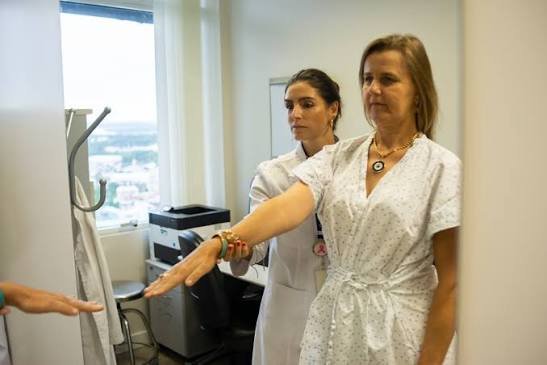
Postoperative exams support proper healing progress. You need these routine checks, and your doctor provides them. While you recover at home, your clinic monitors your vision. The first appointment is usually the next day. The surgeon checks the flap, and they test your vision. After they confirm initial healing, you will receive new instructions and can resume light tasks.