


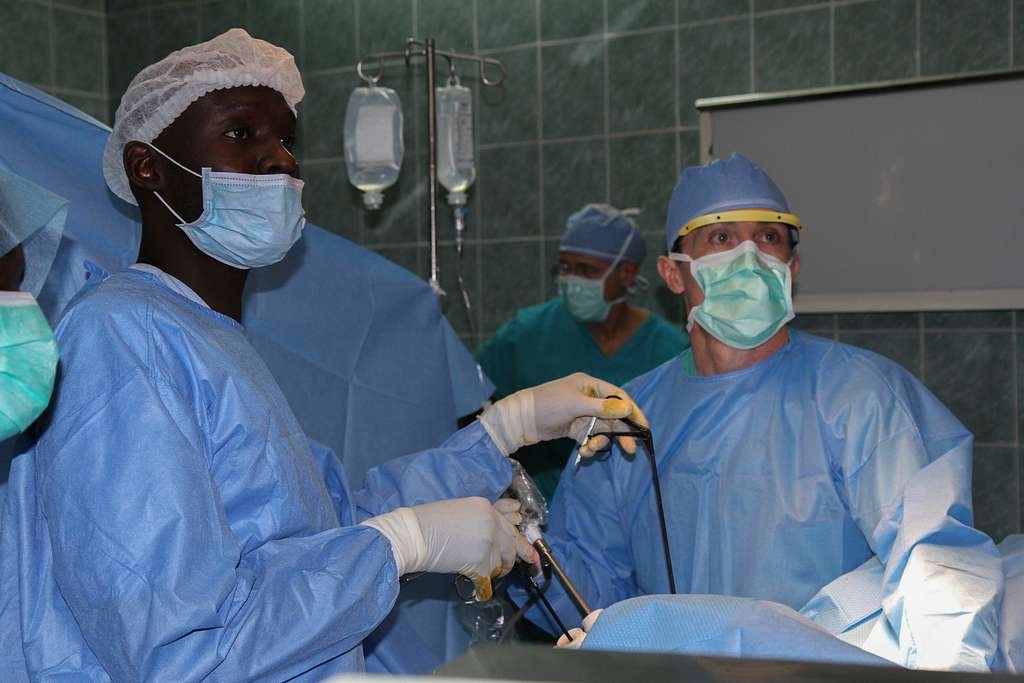
A salpingectomy is a surgical procedure that involves the removal of one or both fallopian tubes. In the female reproductive system, these tubes are the pathway that eggs travel through, from the ovaries to the uterus. Surgeons perform this operation to address various medical conditions or as a highly effective form of permanent contraception. Salpingectomy procedures differ from a tubal ligation, which only blocks or cuts the tubes rather than removing them entirely. Here’s more information on salpingectomies and when you may need one:
Who May Need One?
Healthcare providers recommend a salpingectomy for several different medical and personal reasons, supporting the reproductive health of women and people assigned female at birth (AFAB). When someone has an ectopic pregnancy, where a fertilized egg mistakenly implants outside the uterus, they need surgery. A salpingectomy is often needed to remove the misplaced egg. If an egg implants within the fallopian tube, removing the affected tube is often necessary to prevent serious internal complications.
Individuals diagnosed with certain types of gynecological cancers might also undergo a salpingectomy, so doctors can remove cancerous tissues or reduce the risk of cancer development. Some individuals use this procedure for permanent birth control, which may also involve an oophorectomy to remove the ovaries. Medical professionals recommend this surgery to manage severe cases of:
- Endometriosis
- Persistent Pelvic Inflammatory Disease
- A Blocked Fallopian Tube (Causing Pain)
How Is a Salpingectomy Done?
The specific surgical approach to a salpingectomy depends heavily on an individual’s overall health, their condition, and the surgeon’s recommendations. People typically undergo general anesthesia for this operation, and there are two main types of surgery. The type of surgery is categorized by the number of tubes removed:
Unilateral salpingectomy
A unilateral salpingectomy involves the precise removal of only one fallopian tube. This approach is used when an ectopic pregnancy or a localized infection affects only one side of the reproductive system. By removing only the affected tube, the patient can keep their other healthy tube for hormonal or family planning needs. Preserving the remaining fallopian tube allows for the anatomical possibility of natural conception in the future, provided the remaining ovary and tube function correctly.
Bilateral salpingectomy
A bilateral salpingectomy is the complete surgical removal of both fallopian tubes, which many people choose for permanent contraception. This type of surgery is also a preventative measure against certain reproductive cancers. While a bilateral salpingectomy anatomically prevents natural conception, patients may still achieve pregnancy through in vitro fertilization. This is only if their uterus and ovaries remain healthy and intact.
Is This Surgery Minimally Invasive?
Surgeons employ different surgical techniques to perform a salpingectomy, largely depending on the patient’s specific medical situation and anatomical history. The two primary methods are laparoscopic surgery and open surgery. Laparoscopic salpingectomy is a widely used minimally invasive approach, offering faster operation and healing times.
For laparoscopic techniques, the surgeon makes a few small incisions in the abdomen, and they use a specialized camera to guide the removal of the tubes. This modern technique generally results in a shorter hospital stay, less postoperative pain, and a faster recovery period compared to traditional surgical methods. Most patients return to their normal routines within a few weeks.
An open salpingectomy, known as a laparotomy, requires a larger incision across the lower abdomen. Surgeons may choose this traditional approach if:
- There is extensive scar tissue from previous surgeries
- The procedure is part of a more extensive abdominal operation.
While open surgery necessitates a longer recovery time, it provides the surgeon with direct, unimpeded access to the pelvic organs when complex medical conditions are present.
Learn More About Salpingectomy Benefits
A salpingectomy is a surgery that treats ectopic pregnancies, manages complex gynecological conditions, or provides a method of permanent contraception. Every medical situation is entirely unique, and you should discuss your options with a qualified healthcare professional. Contact an OB-GYN to learn more about this procedure and how it can benefit your health. A thorough consultation will help you determine if this specific procedure aligns with your current needs and long-term health goals. Schedule an appointment today.

Leave a Reply