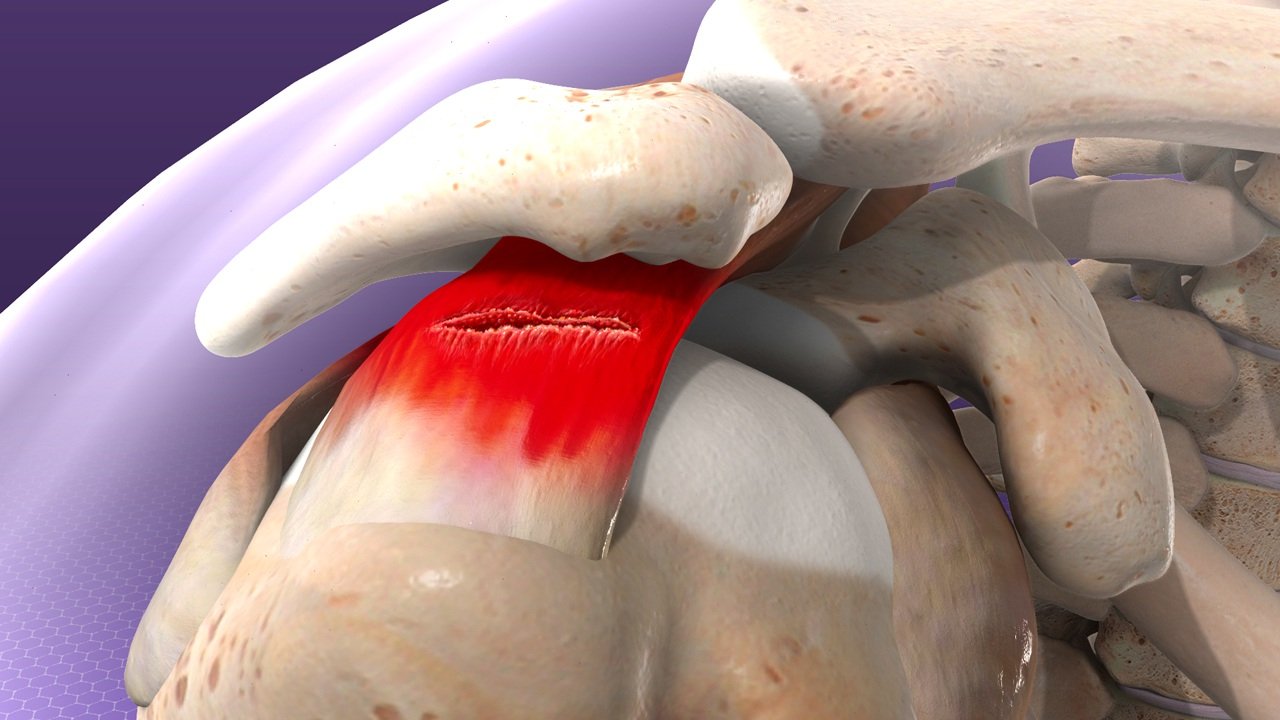
The rotator cuff is a group of four muscles and their connecting tendons that hold your shoulder joint in place. They work together to allow you to lift and rotate your arm safely during daily activities. A rotator cuff tear occurs when one or more of these tendons become partially damaged or completely severed from the bone. Recognizing this condition means noticing shoulder discomfort and any new limits in arm movement. You might experience minor shoulder discomfort after heavy lifting, but persistent pain requires a professional evaluation. Knowing the signs and understanding when to seek help promptly can help you manage discomfort and maintain joint mobility.
Key Symptoms
A rotator cuff tear presents with noticeable physical changes that affect how your shoulder operates. These symptoms often develop gradually over time due to normal wear and tear, but they can also occur suddenly after a specific fall or injury. Common signs include:
- Pain while resting: You may feel a persistent, dull ache deep within the shoulder joint, which often worsens at night and disrupts your sleep.
- Pain during movement: Lifting, lowering, or reaching behind your back often triggers sharp, sudden discomfort.
- Weakness: Your arm may lack the necessary strength to perform standard tasks, making it difficult to lift everyday objects.
- Crepitus: You may notice a distinct clicking, catching, or crackling sensation when moving the shoulder in certain directions.
Professional Help
Occasional shoulder soreness is a normal part of life, yet certain warning signs warrant a formal appointment with a healthcare professional. You should contact a physician if your shoulder pain lasts for more than a few weeks without improvement. If you experience a sudden loss of movement in your arm immediately following an injury or accident, immediate medical attention is recommended.
Schedule a doctor’s visit if your shoulder pain routinely disrupts your sleep or significantly limits your daily activities. Tasks like combing your hair, reaching for a high shelf, or putting on a jacket should not cause severe distress. Addressing these symptoms early allows a medical provider to perform a more accurate assessment of the joint; delaying an evaluation can sometimes lead to increased muscle weakness or a further reduction in your overall range of motion.
Treatment Options
Medical professionals tailor treatment plans based on the size of the tear, your daily activity level, and your specific physical needs. Resting the shoulder can provide temporary relief, and physical therapy often helps restore joint function over time. Nonsurgical approaches are typically the initial step for many individuals with a torn rotator cuff. These conservative methods may include learning to avoid specific motions or overhead activities that aggravate the shoulder. You may also engage in targeted exercises to strengthen the surrounding shoulder muscles and improve flexibility. Using a sling or modifying your sleep position can help reduce strain on the joint during the recovery period. When conservative methods do not adequately address symptoms, a doctor may discuss surgical interventions. Surgeons can reattach the torn tendon to the bone, but rehabilitation and recovery timelines vary significantly from person to person.
Learn About a Rotator Cuff Tear Today
Living with ongoing shoulder discomfort can lead to persistent physical challenges that affect your quality of life. If you recognize the symptoms associated with a rotator cuff tear, consulting a physician is a practical step toward understanding your specific condition. A healthcare professional can perform precise physical tests or order imaging studies to view the internal shoulder structures clearly. A proper evaluation helps identify the root cause of your pain, so you should contact a physician for a thorough assessment. Take the time to discuss your symptoms, ask questions about your limitations, and learn about available treatments for your shoulder.