


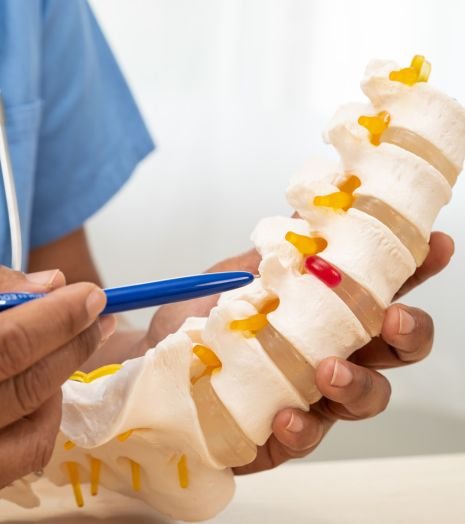
Chronic pain affects many individuals, and medical advancements offer various management strategies. Spinal cord stimulation is a medical therapy designed to alleviate chronic back and leg pain. This treatment blocks pain signals before they reach the brain, helping patients experience relief. Here is more information on this therapy, how it works, the conditions it treats, and the process involved:
What Is Spinal Cord Stimulation?
Spinal cord stimulation involves the use of a medical device to transmit electrical currents to the spinal cord. Doctors implant a small generator beneath the skin, and thin wires deliver the electrical pulses to the targeted nerves. The electrical currents modify the pain signals, and the patient perceives a different sensation instead of pain. This technology provides an alternative pain management option for individuals who have not found relief through conservative treatments.
How Does It Work?
The nervous system constantly transmits signals between the body and the brain. When a person experiences pain, nerves carry these specific signals up the spinal cord to the brain for processing. A spinal cord stimulator intercepts these signals by delivering low-voltage electrical pulses to the spinal nerves, and this disruption alters the brain’s perception of pain. Instead of feeling a sharp or aching pain, the patient may feel a mild tingling sensation or nothing at all.
What Does It Treat?
Medical professionals utilize this therapy to treat several chronic pain conditions. The treatment addresses failed back surgery syndrome, and it treats complex regional pain syndrome. Patients with nerve damage or neuropathy may receive this treatment as part of their care plan. Physicians evaluate each patient individually to determine if their specific pain diagnosis responds well to this neuromodulation therapy.
What Does the Process Involve?
The process involves two distinct phases for the patient. Patients first undergo a trial period, during which a temporary device is used to test the effectiveness of the pain relief. A doctor places temporary leads in the spine using a needle. The patient wears an external generator for several days to assess the reduction in pain.
If the trial provides significant pain reduction, the patient proceeds to the permanent implantation phase. A surgeon performs a minor surgical procedure to place the permanent leads and the generator. The generator is placed under the skin, and the surgeon connects the leads to this device. The medical team programs the stimulator to address the patient’s specific pain patterns and provides instructions for operating the remote control.
What Are the Benefits?
Spinal cord stimulation offers several clinical advantages for chronic pain management. The therapy helps reduce pain, and this allows patients to increase their daily physical activity. Patients may decrease their reliance on oral pain medications after receiving the implant. The trial phase allows individuals to test the therapy before committing to a permanent surgical procedure.
The system provides adjustable pain relief settings for the user. Patients control the intensity of the electrical pulses using a handheld remote, and they can turn the device off completely if desired. These customizable features give patients direct control over their daily pain-relief strategy, potentially improving their quality of life.
Find Relief Today
Spinal cord stimulation presents a valuable option for managing chronic pain. This therapy disrupts pain signals, and it helps patients continue their daily activities. Discussing this treatment with a healthcare provider helps determine whether it is appropriate for your specific medical condition. Contact a pain management specialist today to schedule an evaluation and explore your treatment options.



Leave a Reply