Scheduling your first appointment with a primary care doctor is a significant step toward managing your overall health and establishing consistent medical care. During this initial visit, the doctor may review your medical history, discuss current concerns, and assess preventive care needs. This appointment also creates an opportunity to build a trusted relationship with a provider who can coordinate future care and monitor your long-term well-being. Here’s a closer look at what to expect during your first visit with a primary care physician:
Preparing for the Visit
Preparation remains a key step for a successful medical visit. You must gather your medical records and write down current medications. You should also bring your insurance card and government-issued identification; the front desk staff will verify your coverage before the appointment begins.
A detailed medication list can prevent adverse drug interactions. Write down your daily prescriptions, and include any over-the-counter supplements. If you take daily vitamins, you must list the exact dosages. The primary care doctor reviews these substances, and they update your chart because accurate records prevent prescribing errors.
Reviewing Health History
The clinical interview forms the core of your scheduled visit; the provider enters the examination room and begins asking medical questions. While the doctor reviews your chart, you will discuss your family’s health background. Your doctor may ask for the following information when reviewing your health history:
- Family medical history, including genetic diseases.
- Past surgical procedures and hospitalizations.
- Current symptoms or physical discomfort.
- Lifestyle habits, including diet and exercise routines.
Accurate clinical answers often lead to proper medical diagnoses. Doctors record your verbal responses, and they use this data to develop your personalized treatment plan.
Exploring Exams and Screenings
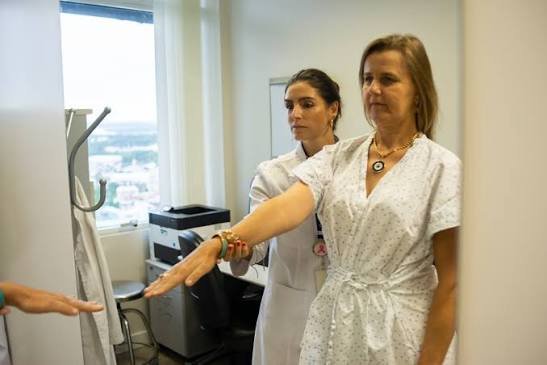
The physical exam evaluates your general body systems. A medical nurse takes your vital signs, and the doctor listens to your heart and lungs. They measure your blood pressure, and they record your weight to calculate your body mass index accurately.
Medical screenings detect hidden medical conditions early. The primary care doctor orders blood work, and they may schedule diagnostic imaging. If you meet specific age criteria, the doctor will order specialized cancer screenings. These specific tests identify high cholesterol or diabetes; you must complete the lab work after you leave the clinic.
Preventive care discussions focus heavily on future health maintenance. The provider explains healthy lifestyle choices and recommends appropriate disease vaccinations. They also advise you on your daily diet and exercise, and they provide educational materials to help with lifestyle modifications.
Understanding the Next Steps
The medical appointment concludes with a clear action plan. The primary care doctor summarizes their clinical findings, and they outline your future medical requirements. Here are key actions that may be a part of your next steps after your appointment:
- Scheduling routine follow-up appointments.
- Completing ordered laboratory tests or imaging studies.
- Filling new prescription medications at a local pharmacy.
- Implementing recommended diet and exercise modifications.
These medical tasks form your ongoing healthcare strategy. If the doctor prescribed medication, make sure the pharmacy receives the electronic order. You must follow the clinical instructions carefully, and you should call the medical office if you experience new symptoms.
Consult a Primary Care Doctor
An initial appointment establishes your formal medical care plan. You provide your health history, and the doctor performs a comprehensive physical examination. The physician identifies potential risks, and they create a structured treatment plan to help you maintain optimal physical health. Contact a qualified primary care physician near you to schedule your consultation today.