


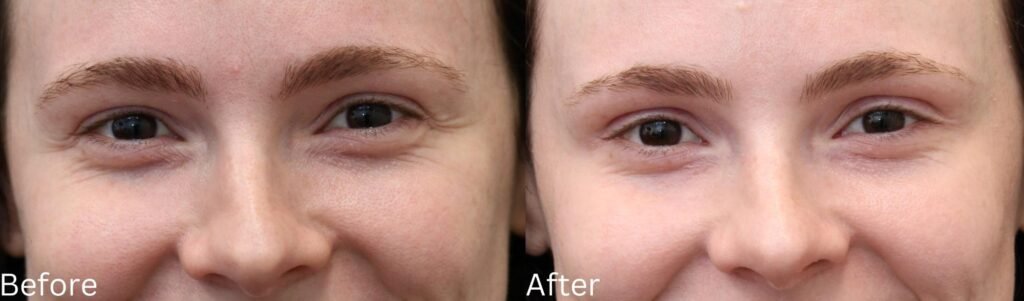
Medical providers use Botox as a standard medical treatment for persistent facial lines across many age groups, and medical professionals perform these injections daily. While patients typically recognize the brand name, they rarely understand the precise biological process at work. Here is more information about the underlying mechanical actions behind this cosmetic injectable:
Injects Into Targeted Areas
When a specialist begins the treatment process, they typically target specific anatomical sites on the face. The practitioner uses a fine micro-needle to deliver the purified protein formula beneath the skin. The liquid solution enters your facial tissue, and it remains localized within that very specific space. Providers meticulously map these exact facial locations to address your individual cosmetic concerns during office visits.
Relaxes Muscles
The active ingredient directly impacts your cellular communication system upon entering the targeted facial tissue layer. As the liquid formula settles into the tissue, it intercepts nerve signals from the central nervous system. Nerves typically release a chemical messenger, but the targeted injection blocks this specific transmission process entirely. The injected facial tissue immediately stops receiving the regular biological instructions to contract and fold together.
The treated facial area becomes temporarily inactive, and the underlying muscle fibers halt their continuous movement. Because the necessary chemical messengers fail to reach their destination, the facial expressions become notably softer. This biological pause provides an immediate resting period for the previously overworked facial tissue underneath the skin.
While the primary action of Botox limits targeted movement, the surrounding untreated facial zones function entirely normally. You retain your natural facial expressions, and you avoid a completely frozen appearance across your face. The strictly localized effect actively prevents the specific treated area from tightening or bunching up together. T
Diminishes Lines and Wrinkles
The newly resting facial tissue directly affects the visible surface condition of your outer skin layers, so fine lines and wrinkles become less pronounced over time. As the continuous tissue folding stops, these facial lines lack the repeated movement that led to their development in the first place. Because the skin rests consistently, it maintains a smoother look during daily activities.
Typical areas people request Botox injections include:
- Forehead lines
- Crow’s feet beside the eyes
- Frown lines between the eyebrows
Improves Skin
When facial muscles relax, your skin receives a chance to recover and support an improved texture. The tension that typically disrupts the skin’s surface decreases, resulting in a refreshed look in the treated area. Since the skin does not repeatedly fold, it remains in a less stressed state throughout the duration of the treatment cycle.
Botox’s targeted approach enables you to address specific cosmetic concerns, and the skin above relaxed muscles may appear smoother. You might notice a difference in your overall facial appearance once muscle movement settles, but outcomes depend on where and how Botox is used. If you are looking to target one area or several, providers adjust their technique to support your goals.
Schedule Botox Treatments Today
Learning about the process behind Botox gives you tools to make informed choices, and you can work closely with a provider for answers. By understanding each step, you recognize the controlled approach used to address areas that concern you. Talking openly with your provider can lead to a tailored treatment plan that matches your preferences. If you want to begin treatment sessions, schedule a Botox consultation today.



Leave a Reply