


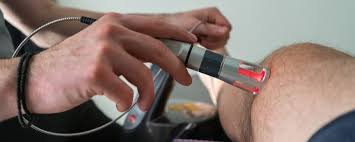
Sports injuries require effective medical treatment. Platelet-rich plasma is an option that uses your blood. When you sustain an injury, PRP provides targeted growth factors. The provider explains the steps, and you will schedule the appointment.
Concentration of Platelets
A specialist draws blood from your arm, usually from the inside bend of your elbow. The sample then enters a centrifuge, and the machine spins it at a high speed for about ten to fifteen minutes. The rapid rotation separates platelets from other blood components, and this leaves concentrated plasma after the process. This concentrated plasma contains a much higher platelet count than regular blood. This fluid contains powerful growth factor proteins that are naturally present in your blood. When you have a wound or tissue injury, these specific PRP proteins initiate repair by signaling other cells to start the healing process. When doctors isolate and concentrate these cells for PRP treatment, the resulting fluid becomes more potent, and the higher concentration supports physical recovery. This process uses only your own blood, and this reduces the chance of allergic reactions or incompatibility.
Timeline for Recovery
The injected area often experiences temporary initial inflammation, which is a normal and expected part of the healing process. Cells begin turning over, and new tissues develop slowly in the weeks following your PRP session. While deep tissues rebuild, patients might notice swelling, discomfort, or sensitivity for several days, but symptoms subside soon after. Pain typically decreases after two to three weeks post-injection. The improvements then continue over the next several weeks, and some patients report gradual weekly progress.
Some notice improved mobility and function, and the injured structures regain a more normal mechanical function over time. Tracking changes and symptoms in a journal allows you to share updates with your provider. Complex injuries require specialized medical attention for optimal outcomes. Specialists recommend a series of two to four PRP sessions, with appointments scheduled at least one month apart. If your condition involves severe or chronic damage, your provider evaluates your progress at each visit and adjusts the treatment schedule to address your specific healing pattern. This approach helps maximize the benefits of PRP, and it supports your rehabilitation process.
Administration of Plasma
The entire preparation, including the blood draw, separation, and final injection, typically takes about 15 minutes. The procedure is brief, and placement is precise, targeting damaged or inflamed tissues directly for therapeutic benefit. Ultrasound guidance aids accurate injection, especially in areas with small or hard-to-reach structures. When joints sustain damage, the PRP treatment addresses the affected cartilage. Providers monitor your physical response through regular assessments. This process tracks healing, and it makes it easier to identify any need for further follow-up. The regenerative treatment is performed in the medical office for convenience, patient comfort, and safety, eliminating the need for hospital-based procedures. Staff members prepare the injection site by cleaning the skin, and they apply a local anesthetic for comfort. Trained professionals administer the PRP using sterile equipment, and they handle each step with attention to detail.
Book Your PRP Consultation
You can visit the website or call to book an appointment. Since your injury requires care, team members answer all your questions. Your clinic provides scheduled comprehensive medical assessments. Patients discuss their symptoms, and professionals recommend appropriate interventions. When you decide to pursue treatment, staff members book the procedure, and they provide preparatory instructions.


Leave a Reply