


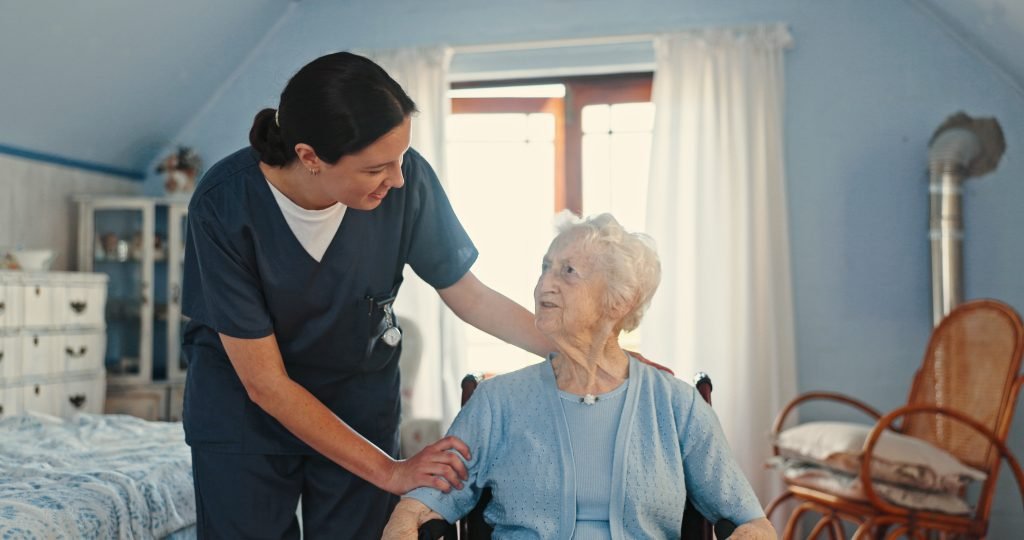
A nurse practitioner plays a pivotal role in the management of chronic conditions, delivering comprehensive, patient-centered care that emphasizes both treatment and long-term health maintenance. With advanced clinical training and a holistic approach, a nurse practitioner is equipped to assess, diagnose, and manage a wide range of ongoing health issues while addressing the physical and emotional factors, as well as the lifestyle that influences outcomes. By fostering continuity of care and encouraging patient education, nurse practitioners help individuals better understand their conditions, adhere to treatment plans, and achieve improved quality of life.
Conduct Assessment and Ongoing Monitoring
A nurse practitioner begins with a thorough evaluation of your health. This assessment includes your medical history and forms the foundation of your care strategy. They review your records and listen to your concerns during each visit. This detailed process helps them map out an effective path for your daily wellness.
Ongoing monitoring is key to managing long-term health conditions. Your provider tracks changes in your symptoms, so your care strategy remains productive. For instance, they might suggest regular follow-ups to discuss how you feel. Because they observe your progress consistently, they can adjust your plan as your circumstances evolve.
Plan Treatments and Manage Medications
Since every person’s health journey is unique, a personalized treatment plan is necessary. Your advanced practice nurse (APN) creates a plan just for you, taking into account your daily habits and routines. You are an active partner in this process, so your feedback directly shapes the care you receive.
Medication management is another significant area where a nurse practitioner provides support. They will review all your prescriptions to prevent harmful drug interactions and explain each medication’s purpose. Clear usage instructions are provided, and they also monitor for side effects. This careful oversight makes sure your medications work effectively and keeps your daily routine comfortable.
Coordinate Collaborative Care
A clinical nurse specialist acts as your central point of contact when managing long-term health. They coordinate with various specialists and support services to help you navigate the healthcare system efficiently. They coordinate information across offices and make sure everyone is on the same page. This organized collaboration helps prevent gaps in your care routine, creating a seamless experience for you.
Your provider connects you with physical therapists or nutritionists and tracks their recommendations. These suggestions are then integrated into your main care plan to establish a cohesive team approach. By building a comprehensive support network around you, your nurse specialist makes sure that all your healthcare needs are met effectively.
Promote Preventive Care
Preventive care is fundamental to managing your long-term wellness. A nurse clinician identifies potential risks before they become bigger problems and educates you on lifestyle modifications. They also guide you through small changes that can make a big difference, such as suggesting dietary adjustments or daily movements that support your stability.
Early intervention also plays a key role in maintaining your quality of life. When you report new symptoms, your advanced practice registered nurse (APRN) acts quickly to investigate the cause and orders the right tests. They discuss the results with you in plain language, and because they catch changes early, you have the most helpful chance to adapt your strategy effectively.
Book a Nurse Practitioner Appointment
Navigating a chronic condition requires a dedicated, knowledgeable, and supportive healthcare advocate. A nurse practitioner offers comprehensive care and practical guidance to help you manage your daily health routines. They monitor your progress, coordinate with other professionals, and they provide helpful education every step of the way. Take proactive steps toward your wellness today and reach out for professional support. Book an appointment with a nurse practitioner near you to assess your chronic conditions and receive a personalized treatment plan to support productive recovery and well-being.

Leave a Reply