



Depression is a common medical condition that affects how individuals feel, think, and handle daily activities. For many patients, healthcare providers prescribe medication as a primary method to manage symptoms and improve daily functioning. These prescriptions aim to balance brain chemistry and provide a foundation for long-term recovery. While medication helps many individuals, it does not work for everyone. Understanding the function of these treatments, along with recognizing when alternative therapies become necessary, helps patients make informed decisions about their healthcare journey.
What Is Depression?
Depression extends beyond temporary feelings of sadness. It represents a persistent medical condition that interferes with daily life, work, and personal relationships. Individuals experiencing this condition often notice a profound loss of interest in activities they previously enjoyed. The symptoms manifest differently in each person, ranging from mild to severe.
Common indicators include persistent fatigue, significant changes in weight or appetite, and disrupted sleep patterns. Mental symptoms often involve difficulty concentrating, restlessness, and feelings of worthlessness. In severe cases, patients may experience thoughts of self-harm. Beyond the mental and emotional impact, depression can also trigger physical symptoms, such as unexplained headaches or chronic pain. These symptoms may persist and deepen over time, so medical intervention frequently becomes a necessary step toward recovery.
How Does Medication Treat It?
Physicians frequently prescribe antidepressant medications to help alleviate the symptoms described above. These medications function by targeting specific chemicals in the brain, known as neurotransmitters, which regulate mood and emotions. By altering the balance of chemicals like serotonin or norepinephrine, antidepressants aim to improve nerve cell communication.
Each patient possesses a unique genetic profile, meaning their response to specific medications varies significantly. Doctors typically start patients on a standard dose of an antidepressant and monitor their progress over several weeks. If the initial prescription does not yield noticeable improvements, the physician might increase the dosage or switch the patient to a different class of medication. Finding the exact formula that works requires patience and close communication with a prescribing physician.
What Other Treatments Exist?
Some individuals taking antidepressants do not experience relief from their symptoms. When a patient tries at least two different prescription medications without success, doctors may classify their condition as treatment-resistant depression. At this stage, medical professionals look toward alternative therapies to help manage the condition. One scientifically backed alternative is deep transcranial magnetic stimulation (DTMS). This noninvasive therapy uses targeted magnetic pulses to stimulate specific, underactive regions of the brain associated with mood regulation. During a typical session, the patient sits in a specialized chair while a device delivers these pulses through a helmet. By restoring normal nerve activity over a series of brief sessions, patients may observe measurable improvements in their symptoms.
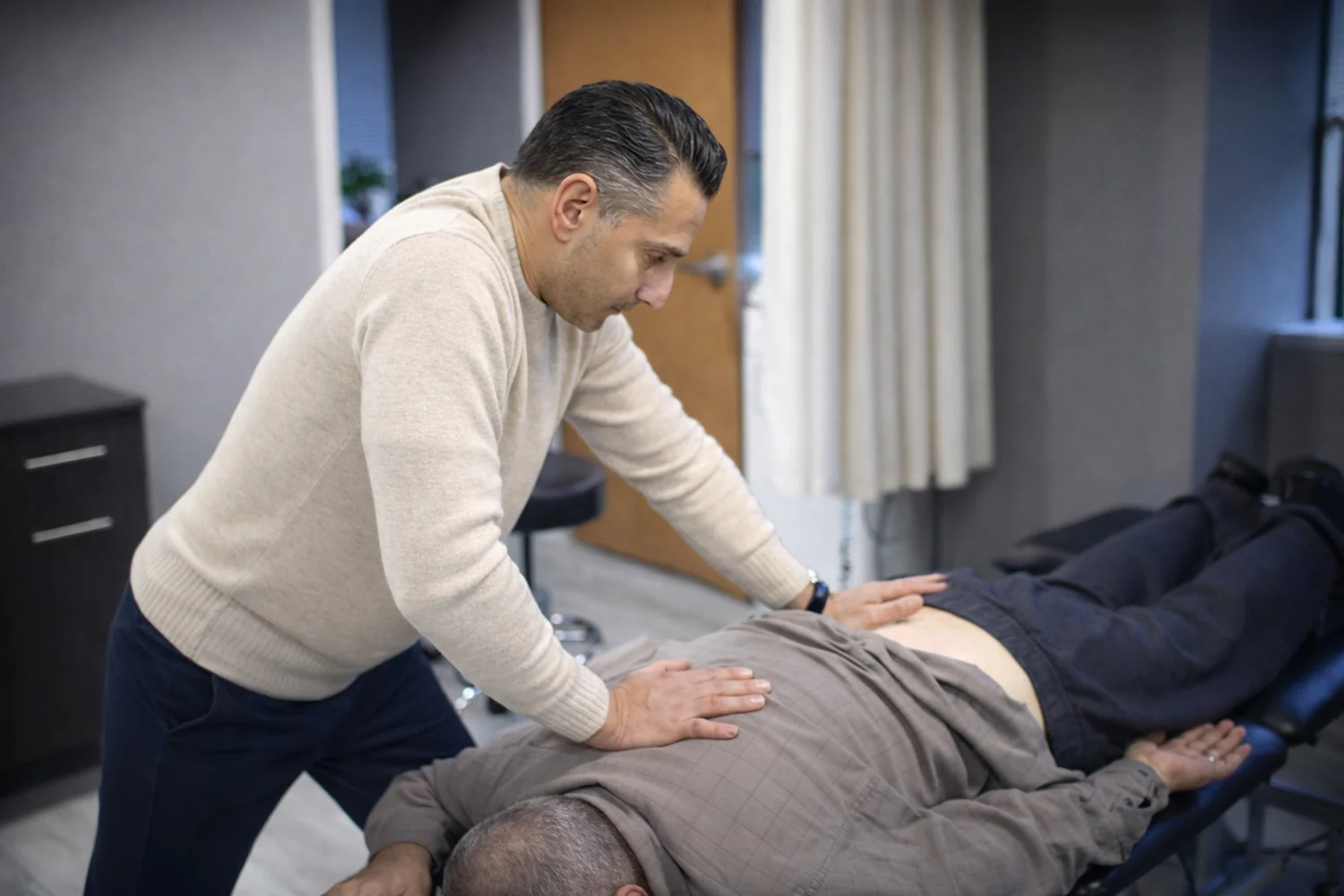
Another method involves brain rehabilitation, which focuses on developing new neural pathways. Doctors design customized physical and cognitive exercises that stimulate specific areas of the brain. These targeted activities aim to restore neurological balance, providing another pathway to recovery for those who do not respond to conventional pharmaceuticals.
Seek Professional Mental Health Care
Managing depression requires a multifaceted approach guided by qualified medical providers. Reaching out to a specialist opens the door to specialized care tailored to your unique biology. If you continue to struggle with depressive symptoms, schedule a consultation with a healthcare provider. A thorough medical evaluation can identify the most effective therapies for your specific situation and move you closer to lasting relief and a healthier life.

Leave a Reply