Spinal stenosis is a degenerative condition characterized by the narrowing of the spaces within the spine, which can compress the nerves and lead to pain, numbness, and reduced mobility. As symptoms often progress over time, effective management is necessary to maintain daily functioning and quality of life. A combination of medical treatments, lifestyle adjustments, and supportive therapies can help alleviate discomfort and improve overall well-being.
Adopt Daily Movement Habits
Changing how you move is key to managing your symptoms. Many people with spinal stenosis find relief by leaning slightly forward. For instance, pushing a shopping cart can make walking much easier by relieving pressure on the nerves. A walker or cane also provides stability over longer distances, and paying attention to your posture helps prevent aggravation.
Assistive devices can drastically improve your stamina during daily walks. Trekking poles offer balance and encourage an upright, supported stance, so you should test different grips to find the most comfortable one. Taking shorter, more frequent walks often yields better results than one long, exhausting hike. While you want to avoid unnecessary friction, maintaining a steady routine should keep your joints lubricated and help you stay active.
Use Effective Pain Management Techniques
Finding the right pain relief methods requires patience. Applying heat or cold packs to your back can provide targeted comfort. Ice is great for sudden flare-ups, and heat helps relax tight muscles. You can experiment by alternating them to see which works effectively, but remember to wrap the packs in a towel to protect your skin. Your resting position also plays a key role in managing discomfort.
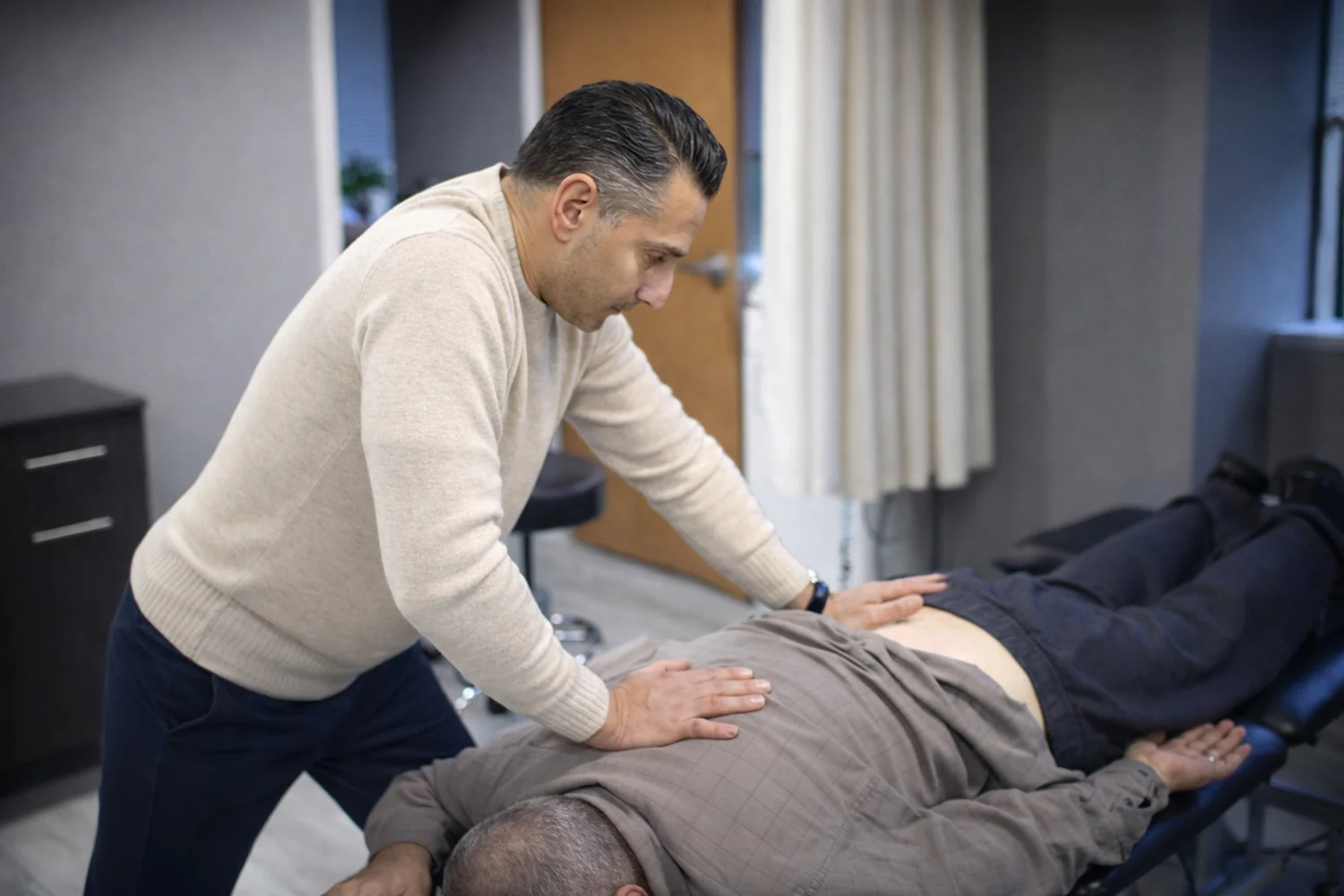
Massage therapy is another useful tool for muscle tension. Gentle pressure increases blood flow, which promotes relaxation. You should communicate with your therapist about your pain points so they will adjust their technique. They will avoid putting direct pressure on sensitive spinal areas, which makes the therapy both safe and effective.
Modify Home For Comfort
Adapting your living space can minimize physical strain on your back. Move frequently used items to waist-level shelves to prevent bending. You can place anti-fatigue mats in your kitchen, as these cushioned surfaces reduce the impact of hard floors. For instance, a mat makes standing at the sink much more comfortable. When you create a more accessible environment, you will conserve energy for other necessary tasks.
Organizing your workspace is also fundamental for managing daily comfort. Raise your computer monitor to eye level to avoid neck strain. You should invest in an ergonomic chair that provides solid lumbar support. A footrest under your desk keeps your knees elevated, which reduces spinal compression. All these small changes will help you build a more comfortable and supportive environment.
Strengthen Body For Spinal Support
Building core muscle strength sometimes creates a natural brace for your back, and low-impact exercises keep your joints moving without stress. Swimming provides resistance in a weightless environment, so it is a highly effective option. A stationary bike allows you to exercise with a forward-leaning posture, and light cardio promotes blood flow to your tissues.
A physical therapist can provide customized guidance and design a tailored exercise program for your specific needs. They will monitor your form to prevent injuries and teach you to engage your core muscles correctly. Learning proper mechanics for bending and reaching protects your spine from further complications.
Schedule Your Spinal Stenosis Consultation
Coping with spinal stenosis involves making targeted adjustments to your daily lifestyle. You can use these practical strategies to maintain your independence and manage your health. Home remedies offer significant benefits, but professional guidance provides the most effective path forward. A specialist will evaluate your specific condition and recommend a comprehensive care plan. Reach out today and book a consultation for comprehensive care with an expert near you.
- Choosing Adult Autism Residential Support: A Practical Guide to Daily Life, Safety, and Independence
- Clinical Trial Phases: What Each Stage Means for Participants and Patients
- Clinical Trials: Important Facts Before Patient Participation
- How Breast Cancer Clinical Trials Move Research From Ideas To Patient Care
- Enhancing Mental Wellness Through Therapy: A Comprehensive Guide