


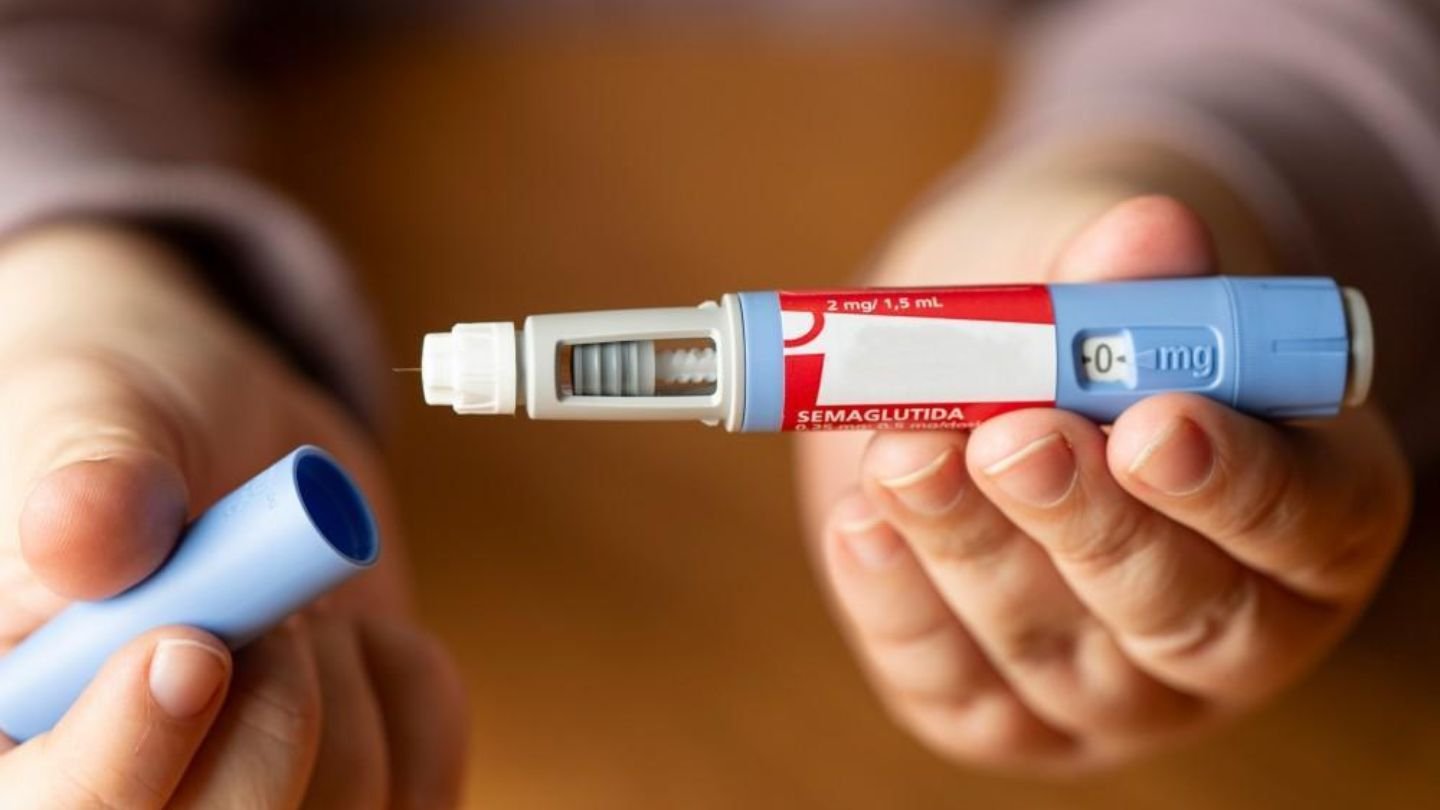
Semaglutide offers a medication-based approach that supports sustained weight loss for some patients. Originally developed for blood sugar management, it is also used to help regulate appetite and support broader weight management efforts when combined with lifestyle changes. Here is a closer look at the impact of Semaglutide on obesity treatment:
Supporting Obesity Treatment
Semaglutide belongs to a class of drugs called GLP-1 receptor agonists; these drugs mimic the effects of glucagon-like peptide-1 (GLP-1). GLP-1 is a hormone that the body naturally produces, and it plays a key role in regulating appetite, blood sugar levels, and digestion. When semaglutide is injected, it acts on specific receptors in the brain to reduce appetite and food intake. It also slows the rate at which the stomach empties, which creates a feeling of fullness after meals. This results in eating less, making healthier food choices, and losing weight over time.
Identifying Eligible Candidates
Not everyone is a candidate for semaglutide. A healthcare provider will review a person’s medical history, current health, and body mass index (BMI) before recommending this treatment. Semaglutide injections may be suitable for individuals who have a BMI of 30 or higher, or a BMI of 27 or higher with at least one weight-related health condition.
Semaglutide is not recommended for everyone. People with a personal or family history of medullary thyroid carcinoma (MTC) or multiple endocrine neoplasia syndrome type 2 (MEN 2) should not use semaglutide. A history of pancreatitis also makes this treatment unsuitable for some patients. A thorough consultation with a qualified provider helps determine whether semaglutide is the right treatment option.
Exploring Treatment Expectations
Semaglutide treatment follows a process that helps the body adjust gradually to the medication. Here is what a treatment course may involve:
- Initial consultation: A healthcare provider reviews your medical history, current medications, and weight-related health conditions to confirm whether semaglutide is appropriate for you.
- Starting dose: Treatment begins at a low dose to reduce the risk of side effects.
- Dose adjustments: The provider gradually increases the dose over several weeks or months to help the body adapt to the medication.
- Dietary guidance: A provider or dietitian may offer specific dietary recommendations to support weight loss.
- Physical activity: A provider may recommend a suitable activity level based on your current health.
- Ongoing monitoring: Regular check-ins with a provider help track progress, manage side effects, and allow for necessary adjustments to the treatment plan.
Following the prescribed treatment plan and attending all scheduled appointments helps maximize the effectiveness of semaglutide.
Combining Lifestyle Strategies
Semaglutide works best as part of a broader approach to weight management. Medication alone does not address the behavioral and lifestyle factors that contribute to obesity. Sustainable weight loss requires consistent changes in diet, physical activity, and daily habits.
A reduced-calorie diet combined with regular exercise builds a foundation for long-term health. Semaglutide supports these efforts by reducing appetite, and this makes it easier to maintain a lower calorie intake. Mental health also plays a role in managing obesity; stress, emotional eating, and sleep quality can affect weight. Working with a healthcare team that addresses these factors alongside medication provides a more complete path to lasting results.
Schedule Your Semaglutide Appointment Today
Semaglutide is an FDA-approved medication that supports weight loss by reducing appetite and slowing digestion. It may be suitable for individuals with a BMI of 30 or higher, or a BMI of 27 or higher with a weight-related health condition. Treatment involves a gradual dose increase, dietary changes, and regular provider check-ins. To determine whether semaglutide is right for you, contact a qualified healthcare provider to schedule your appointment today.



Leave a Reply