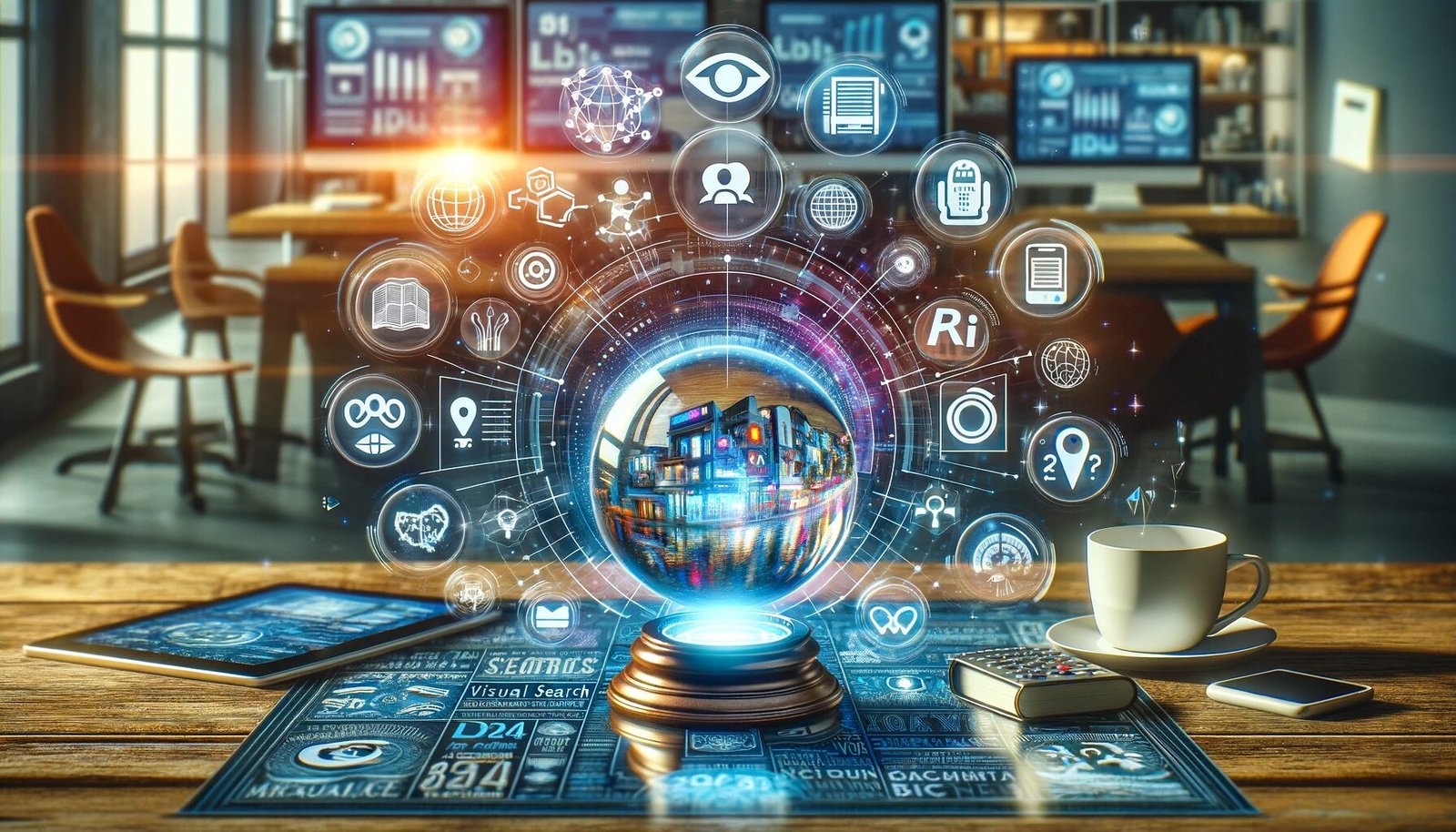
Throughout history, the way humans create and interact with visual art has been deeply influenced by technological progress. From the earliest cave paintings to the invention of photography and the digital revolution of the late 20th century, each innovation has expanded the possibilities for artistic expression. Today, as we stand on the edge of a new era shaped by artificial intelligence, the relationship between technology and visual creativity is evolving faster than ever before.
Artists and designers now have access to an unprecedented array of digital tools. Programs for photo editing, graphic design, 3D modeling, and animation have long been part of the creative toolkit. However, the newest developments are pushing beyond static applications; they are becoming active collaborators in the creative process. One compelling example of this collaboration is the AI image generator, a technology that enables users to create vivid, complex visuals from just a few words or concepts.
An AI image generator is not merely a shortcut for creating art; it represents a shift in how we think about creativity itself. By interpreting text prompts or basic sketches, these systems produce intricate images that can range from photorealistic scenes to surreal dreamscapes. For visual artists, this can serve as a powerful source of inspiration. It challenges traditional notions of authorship and sparks new ideas that may not have arisen through conventional means.
Yet, even as technology becomes a co-creator, the role of the human mind remains irreplaceable. The vision, emotion, and intention behind every piece of art still originate from the artist. Tools like the AI image generator offer possibilities, but it is the human creator who chooses the story to tell, the emotions to evoke, and the audience to reach.
This dynamic extends beyond the world of fine arts. In industries like marketing, gaming, and filmmaking, the ability to rapidly produce high-quality visual content opens up new opportunities. Advertising agencies can generate concept art for campaigns within minutes. Game developers can quickly prototype environments and characters. Filmmakers can experiment with visual styles without needing a full production team at the initial stages.
However, the rise of AI-driven creativity also raises important questions about originality, ethics, and intellectual property. If a machine generates an image based on millions of existing artworks, where does true authorship lie? How do we balance innovation with respect for the human labor and imagination that built the cultural foundations on which AI now operates?
These questions are not easy to answer, but they highlight an important truth: technology, no matter how advanced, is not a replacement for human creativity. It is a mirror, a tool, and sometimes a provocation, pushing us to reconsider what it means to create in a world where imagination can be both human and machine-enhanced.
Looking forward, the integration of tools like the AI image generator into the creative workflow will likely become second nature. Instead of viewing these technologies with suspicion or fear, artists and innovators can embrace them as opportunities to deepen their exploration of visual storytelling. New genres, hybrid art forms, and unexpected collaborations between human and machine will continue to emerge, enriching the cultural landscape.
In the end, creativity thrives on change. Every new tool, from the brush to the camera to the computer, has at first seemed revolutionary—and sometimes threatening—before becoming part of the artist’s natural vocabulary. The same will be true for artificial intelligence. It will not replace the heart of human expression; rather, it will offer new ways for that expression to unfold.
The digital era does not mark the end of human creativity—it marks its exciting new beginning.