


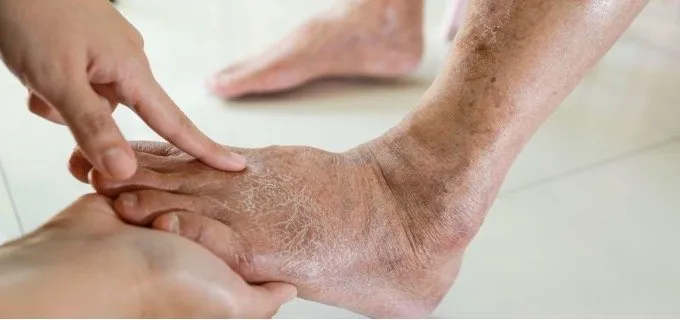
Chronic venous insufficiency occurs when leg veins have trouble sending blood back to the heart, and this condition causes blood to pool in the lower extremities. When pooling occurs, it leads to uncomfortable swelling. It can eventually cause skin changes or painful leg ulcers. Patients can manage this disease through lifestyle modifications, but medical procedures are sometimes necessary to relieve severe symptoms.
Causes of the Condition
When valves in your veins fail, chronic venous insufficiency develops and disrupts normal blood flow. These valves usually keep blood moving toward the heart, but damaged valves allow blood to flow backward. Deep vein thrombosis is a common cause of this valve damage, and blood clots may permanently stretch the vein walls. Older adults face a higher risk of developing this condition.
Family history and genetics play a role in vein health. Pregnancy increases blood volume and places extra strain on the legs, so multiple pregnancies elevate the risk of vein damage. Obesity adds constant physical pressure on the lower body, and excess weight makes it much harder for veins to pump blood upward. Lack of physical activity reduces the muscle contractions that help push blood back to the heart, which further strains the venous system.
Symptoms of the Condition
Patients notice various physical changes in their legs, and swelling is usually the earliest sign of trouble. The ankles and lower legs swell after long days of standing. A dull ache or heaviness develops in the legs, and the discomfort becomes more noticeable as the day progresses.
Other visible changes appear on the skin surface. This condition causes varicose veins, and these twisted vessels look like blue cords under the skin. Here are some other symptoms that may come with vein issues:
- Skin turns a brownish color near the ankles.
- Legs feel itchy or irritated.
- Skin texture becomes thick and leathery.
Treatments for the Condition
Doctors recommend conservative lifestyle adjustments first, and regular exercise improves blood flow. When walking activates the calf muscles, these muscles act as pumps to push blood upward. Elevating your legs above your heart reduces swelling. Taking short breaks to rest your legs relieves the constant pressure.
Compression stockings provide external support to the veins, and these tight garments prevent blood from pooling in the lower legs. Your doctor will prescribe the correct compression level. Weight loss may relieve the physical burden on your lower body, while a healthy diet supports overall cardiovascular health.
Medical interventions offer relief when conservative methods fail, and vascular surgeons perform minimally invasive procedures. Endovenous laser therapy uses heat to close damaged veins, and the body reroutes blood to healthier vessels automatically. Sclerotherapy involves injecting a chemical solution into the vein. This solution forces the diseased vein to collapse.
Complications of the Condition
Untreated vein problems lead to severe medical issues, and venous stasis ulcers are the most severe complication. These open sores form near the ankles, and they take a very long time to heal. The skin becomes extremely fragile, and minor bumps can cause bleeding or large wounds.
Infections develop easily in these open wounds, and cellulitis spreads quickly through the compromised skin tissues. Bacterial infections require immediate medical attention, and severe cases might necessitate intravenous antibiotics. Chronic inflammation permanently damages the surrounding tissues, and the legs can lose their normal shape or mobility.
Treat Chronic Venous Insufficiency Today
Managing your vein health requires a comprehensive approach, and lifestyle modifications provide the foundation for symptom relief. Unhealthy veins cause swelling, aching, and skin changes, but early intervention prevents the progression of these painful symptoms. Doctors use compression therapy and minimally invasive procedures to restore proper blood flow, and these treatments protect the legs from developing serious complications like ulcers or infections. If you want to learn more about chronic venous insufficiency, consult a vascular specialist near you.

Leave a Reply