


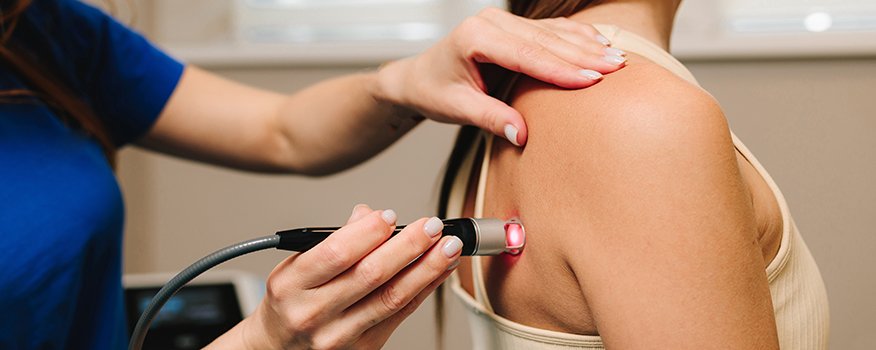
Pain management has evolved significantly in response to the growing need for effective, long-term solutions for chronic conditions. As traditional methods alone may not provide sufficient relief, innovative approaches are transforming how healthcare providers address persistent pain. These advancements include multidisciplinary strategies, emerging technologies, and personalized treatment plans designed to improve patient outcomes and quality of life.
Advanced Neuromodulation Therapies
Neuromodulation is a key advancement in pain management. It alters nerve activity by delivering targeted electrical stimulation to a specific area. By disrupting pain signals to the brain, patients can experience significant reductions in symptoms. The devices are typically implanted under the skin and function like a pacemaker for your nervous system.
This approach may help if you have persistent nerve issues. Doctors can customize stimulation patterns to match your unique pain profile. You can also usually test a temporary device before committing to a permanent implant. This trial period gives you confidence in the treatment and helps make sure the device is a good choice for your body.
Regenerative Medicine
Regenerative medicine focuses on repairing or replacing damaged tissues. It uses the body’s natural healing processes and offers effective options for joint or muscle pain. Rather than just masking symptoms, these therapies support underlying healing. The treatments involve injections that deliver concentrated healing factors directly to the affected area, providing targeted relief and promoting recovery.
Specialists often see these therapies as key parts of modern recovery plans. For instance, platelet-rich plasma and stem cell therapies are common methods, but they require careful evaluation by a professional. If you want to explore these options, you should discuss the potential timelines and outcomes with your doctor to see if they suit your condition.
Interventional Radiology & Pain Management
Interventional radiology uses advanced imaging to guide targeted medical procedures. Doctors use tools like X-rays or CT scans to guide small instruments to the source of your pain. This precision enables effective treatment without large surgical incisions and minimizes damage to surrounding healthy tissues, leading to shorter recovery times.
You might contemplate these procedures if other therapies have failed. Image-guided injections deliver medication exactly where it’s needed, which can provide significant relief. These techniques also offer diagnostic information that helps refine your care plan, making interventional radiology a valuable tool for complex pain management.
Personalized and Multidisciplinary Care Plans
Everyone experiences discomfort differently, so a personalized care plan is key to effective symptom relief. A multidisciplinary approach brings together specialists, such as physical therapists, psychologists, and specialized physicians, who work together to address every aspect of your condition. This collaboration makes sure all contributing factors receive thorough attention. For instance, by addressing both the physical limits and the mental toll of chronic conditions, we can achieve more comprehensive outcomes.
Open communication with your entire care team helps build a robust support system, and this unified strategy empowers you to actively participate in your recovery. When you are actively involved, you can foster a stronger sense of control over your own health. This comprehensive approach makes sure that both your physical and emotional needs are met, leading to better overall well-being.
Schedule Your Pain Management Consultation
Navigating chronic conditions requires patience, education, and the right medical support. The innovative approaches discussed offer new pathways toward comprehensive discomfort management. If you feel persistent pain, reach out to a qualified specialist to discuss your unique pain control methods. Schedule a consultation with an expert near you for a professional evaluation and designing of effective treatment plans tailored to your situation. Take action today, and start building a care plan that supports your long-term health and wellness goals.


Leave a Reply