


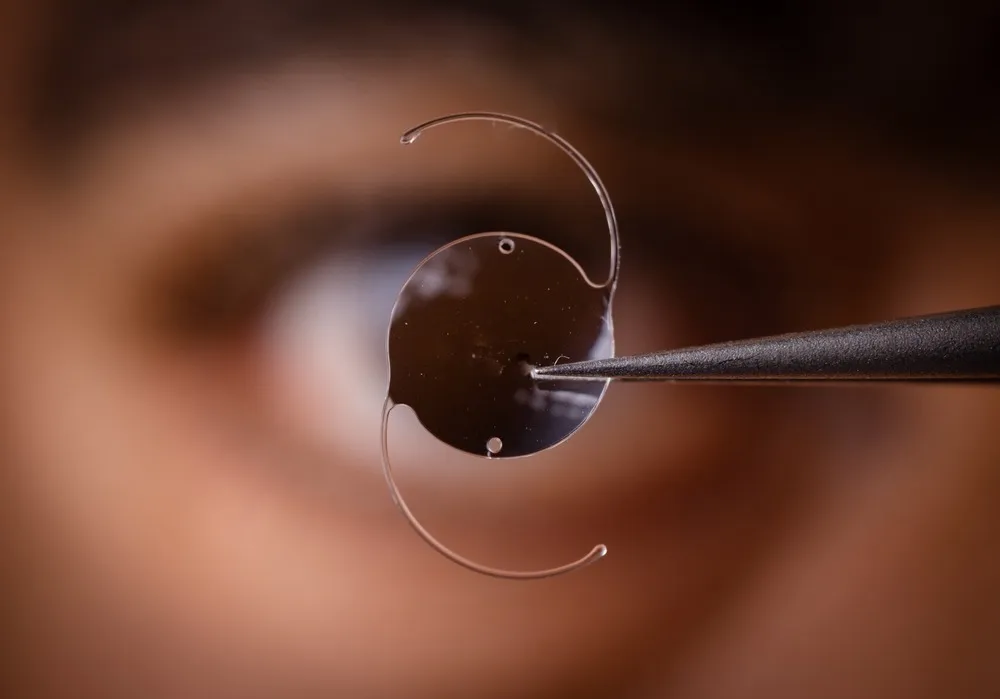
Changes in vision are often a reason to seek an evaluation by an ophthalmologist. Cataracts are a widespread condition, affecting a significant portion of the population by the age of 80. Preparing thoroughly for an appointment with a cataracts specialist provides the opportunity to make the consultation more productive and allows for a clear discussion about current symptoms, treatment possibilities, and next steps.
What Are Cataracts?
A cataract occurs when the lens within the eye, which is typically transparent, develops a cloudy area. This lens plays a central role in focusing incoming light onto the retina. As a cataract forms, it may feel as if one is viewing the world through a layer of haze or mist, making objects appear less clear.
Cataracts commonly develop as people get older, which is largely due to natural changes within the lens of the eye. The lens is made up of water and proteins. With advancing age, the proteins within the lens may begin to aggregate, leading to the formation of cloudy spots. As these areas expand over time, they can reduce sharpness in vision and interfere with everyday tasks.
How Are They Treated?
When glasses or contact lenses are no longer able to provide improved vision due to the effects of cataracts, surgery becomes the recommended approach. This procedure involves extracting the clouded lens and replacing it with a transparent artificial lens, known as an intraocular lens. A contemporary cataracts specialist employs advanced methods and customizes surgical plans to fit each individual’s requirements.
One advanced technique is femtosecond laser-assisted cataract surgery. In this procedure, a specialized laser delivers extremely rapid, ultra-short pulses of energy to carefully break apart the cataract. The high speed and accuracy of the laser enable the removal of the cloudy lens and minimize impact on healthy eye tissue.
Phacoemulsification is another widely used technique for cataract surgery. In this process, a small incision is created in the eye, which allows a slender ultrasound device to be inserted. The device releases high-frequency sound waves that break the cloudy lens into smaller pieces, which are then gently suctioned out. If the artificial lens inserted during surgery later develops cloudiness or folds, a follow-up procedure may be performed to clear the visual pathway.
How Should You Prepare?
Taking time to organize personal health information supports a thorough and effective eye examination. Sharing information about ongoing health conditions and medication use is valuable, as certain drugs and health issues may influence the assessments made during your appointment. Before your surgery, arrange for someone to accompany you and provide a ride home.
Speak With a Cataracts Specialist
Maintaining regular eye examinations and addressing vision changes without delay can help safeguard long-term eye health and support daily functioning. Modern surgical procedures are available to address lens clouding. By preparing personal health information, monitoring symptoms, and arranging transportation, you contribute to a more effective consultation process. For those experiencing symptoms or seeking further information on treatment options, reaching out to a qualified cataracts specialist can provide an informed path forward.


Leave a Reply