


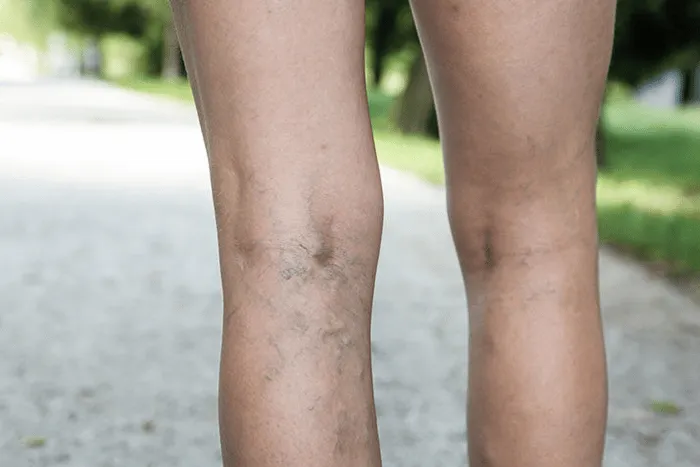
Spider veins are visible, damaged blood vessels on the surface of the skin, and they commonly appear on the legs or face. Lifestyle modifications offer a practical approach to managing this condition. Here is more information on the nature of spider veins and when professional wound care is needed:
What Are Spider Veins?
Spider veins are small, web-like networks of blood vessels that develop just beneath the skin’s surface. They primarily occur when tiny valves inside the veins weaken, allowing blood to pool instead of flowing properly. The accumulated blood stretches the vein walls, so the vessels become visible through the epidermis.
These superficial vessels differ from varicose veins. Varicose veins are larger and bulge outward, whereas spider veins remain flat against the skin. Advanced or severe venous disease can sometimes lead to skin complications, necessitating specialized wound care.
What Causes Them?
Several physical and genetic factors contribute to the development of these visible veins. Genetics plays a significant role in venous conditions, and a family history may increase a patient’s risk. Hormonal fluctuations during pregnancy or menopause also affect vein elasticity, triggering the condition in women more than men. Physical stress on the lower extremities is another cause of venous pooling.
What Are the Symptoms?
Patients may observe thin, flat lines of red or blue branching across their skin. These visual markers are often painless, but some individuals experience mild discomfort or an aching sensation in their legs. The appearance varies among individuals, with clusters ranging from a few distinct lines to a dense network.
Swelling and throbbing sometimes occur after prolonged standing. The skin around the affected area may occasionally itch, or the legs can feel unusually heavy by the end of the day. Recognizing these signs early allows for prompt intervention, with proactive management limiting further vascular deterioration.
How Can Lifestyle Adjustments Help?
Implementing specific daily habits influences blood circulation and overall vein health. Regular cardiovascular exercise keeps blood moving efficiently, preventing it from pooling in the lower extremities. Walking, swimming, and cycling are recommended, so patients benefit from integrating them into their weekly routines.
Dietary choices and physical positioning also impact vascular pressure. A diet low in sodium helps minimize water retention, and elevating the legs above heart level reduces gravity’s pull on the blood. Patients can support their vascular system through nutrition by increasing fiber intake.
Wearing compression stockings provides external support to the veins, so blood flows more effectively back toward the heart. These garments apply graduated pressure along the leg, preventing fluid accumulation in the lower tissues. Taking frequent breaks to walk around is beneficial, as are simple ankle stretches.
When Is Wound Care Needed?
While spider veins are generally benign, underlying venous insufficiency can occasionally lead to skin breakdown. Chronic blood pooling deprives the surrounding tissue of oxygen, increasing the risk of venous ulcers. These shallow wounds typically form near the ankles, so careful monitoring is required for any changes in the skin. Proper management prevents further tissue damage.
Manage Your Condition Today
Spider veins are a common vascular issue, but proactive lifestyle adjustments help reduce their progression. Regular exercise, diet modification, and the use of compression garments provide effective conservative management. Start incorporating these daily changes to support your circulation, and contact a vascular specialist for a comprehensive evaluation. Schedule an appointment with a clinic today to improve your vein health.


Leave a Reply