


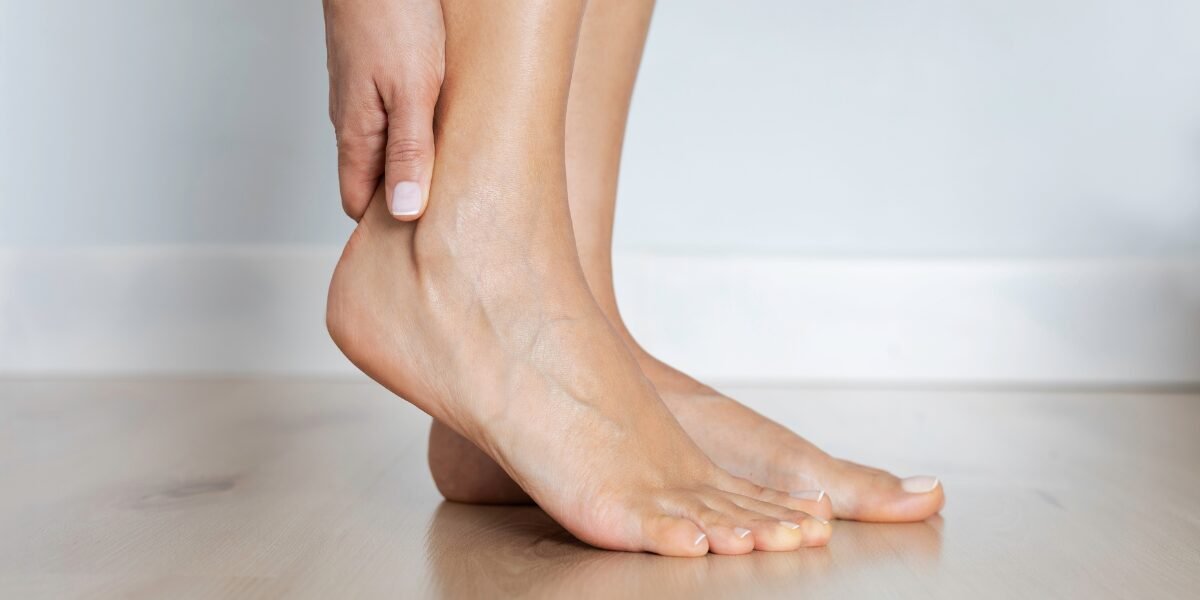
Ankle injuries affect people of all ages and activity levels, ranging from athletes to those who spend long hours on their feet. An ankle injury can result from trauma, overuse, or structural abnormalities in the foot and ankle; a sprained ligament or deformed joint can all limit mobility and cause chronic pain. Podiatrists specialize in diagnosing and treating ankle conditions, offering both surgical and non-surgical approaches to restore function and relieve discomfort.
Ankle Fusion Surgery
An ankle injury that causes severe joint damage may require ankle fusion, a procedure also called arthrodesis. During this surgery, a podiatrist permanently joins the bones of the ankle joint together using screws, plates, or rods. The goal is to eliminate painful bone-on-bone contact, and the fused joint becomes stable over time. Patients who undergo ankle fusion can still walk, though the range of motion in the ankle is reduced.
The procedure is typically recommended for:
- Advanced arthritis that has not responded to conservative treatment
- Severe joint instability or deformity
- Failed previous ankle surgeries
Recovery involves a period of non-weight-bearing, and physical therapy follows to help rebuild strength in the surrounding muscles.
Achilles Tendon Repair
The Achilles tendon is the strongest tendon in the body, connecting the calf muscles to the heel bone, and a rupture of this tendon is a serious injury that often requires surgical repair. A podiatric surgeon reattaches the torn ends of the tendon during the procedure, restoring its continuity and function. Without surgical intervention, a ruptured Achilles tendon may heal improperly, and long-term weakness or re-rupture can occur.
Post-operative recovery typically includes immobilization in a cast or boot, and this is followed by a structured rehabilitation program. While regaining full strength in the tendon takes several months, many patients can return to their prior level of activity with proper care. Physical therapy helps patients regain strength and mobility after treatment for Achilles tendon rupture.
Bunion Correction Methods
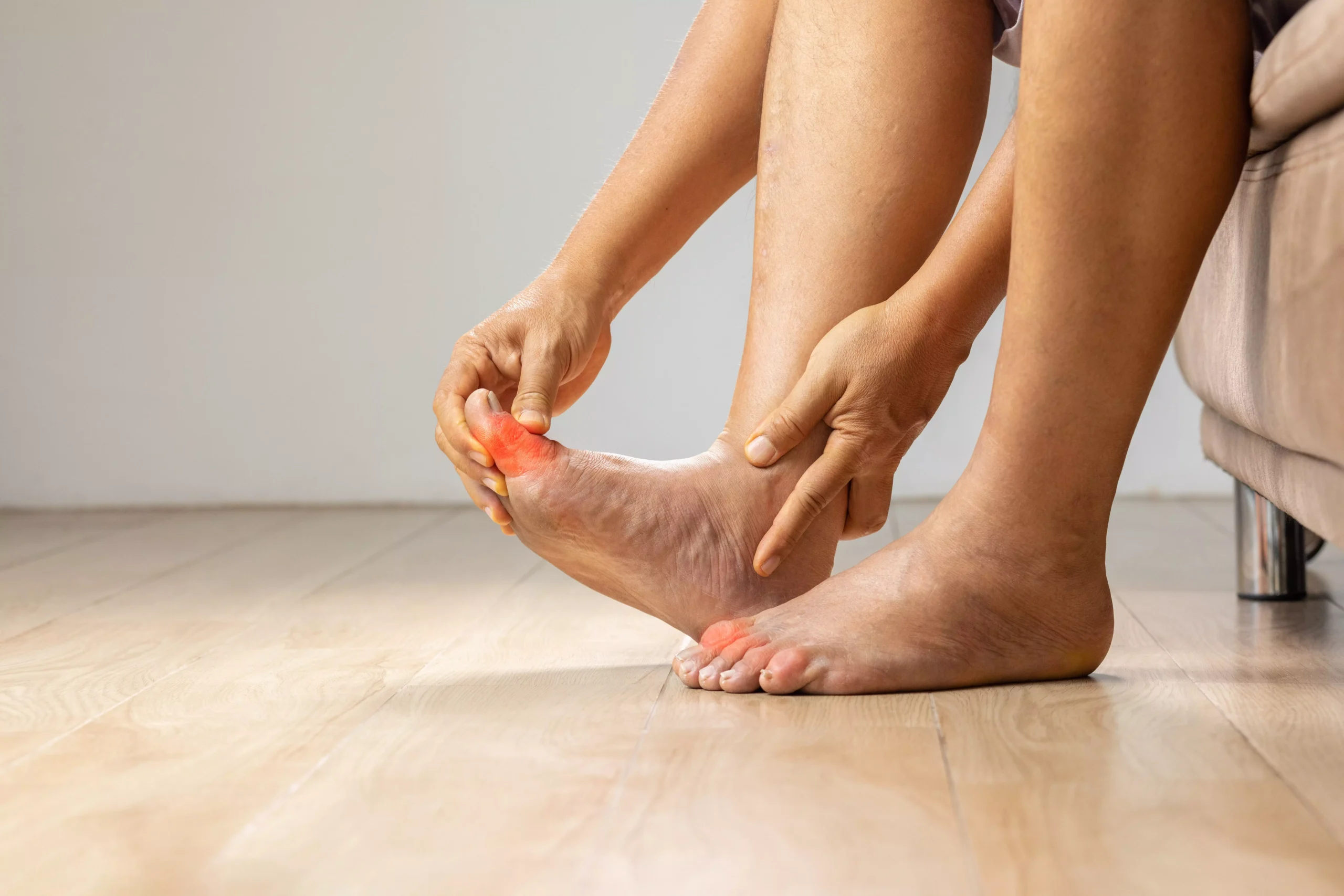
A bunion is a bony prominence that forms at the base of the big toe when the joint shifts out of alignment; the deformity causes the big toe to angle toward the second toe, creating pain, swelling, and difficulty wearing shoes. Bunion correction surgery realigns the joint by removing the bony growth and repositioning the bones. There are several surgical techniques a podiatrist may use, depending on the severity of the deformity.
Mild to moderate bunions may require only a simple realignment of the soft tissue. Severe cases often call for cutting and repositioning the bone itself, which is a technique known as an osteotomy. Recovery time varies by procedure, and patients are usually guided through a gradual return to normal footwear and activity.
Flatfoot Reconstruction Surgery
Flatfoot, or pes planus, causes the entire sole to make contact with the ground. The condition results from tendon dysfunction, ligament laxity, or bone abnormalities, and it may cause pain in the foot, ankle, and lower leg. When conservative treatments such as orthotics and physical therapy do not achieve the desired result, flatfoot reconstruction may be recommended.
Flatfoot reconstruction is a combination of procedures tailored to each patient’s anatomy, and a podiatric surgeon may perform tendon transfers, bone cuts, or joint fusions. When the procedures work together, they rebuild the arch and restore proper alignment. Patients typically progress from non-weight-bearing to full activity over several months.
The procedure is beneficial for patients who experience:
- Chronic pain that limits daily activity
- Progressive deformity affecting the ankle or knee
- Tendon damage that cannot be addressed through non-surgical means
Learn About Ankle Injury Treatment
Ankle injuries range from tendon ruptures to structural deformities, and each condition has targeted surgical treatments available. Ankle fusion addresses severe joint damage, Achilles tendon repair restores torn connective tissue, and bunion correction realigns a displaced joint. Flatfoot reconstruction rebuilds the arch of the foot. If you want to learn more about treatment for ankle injuries, consult a podiatrist near you.


Leave a Reply