


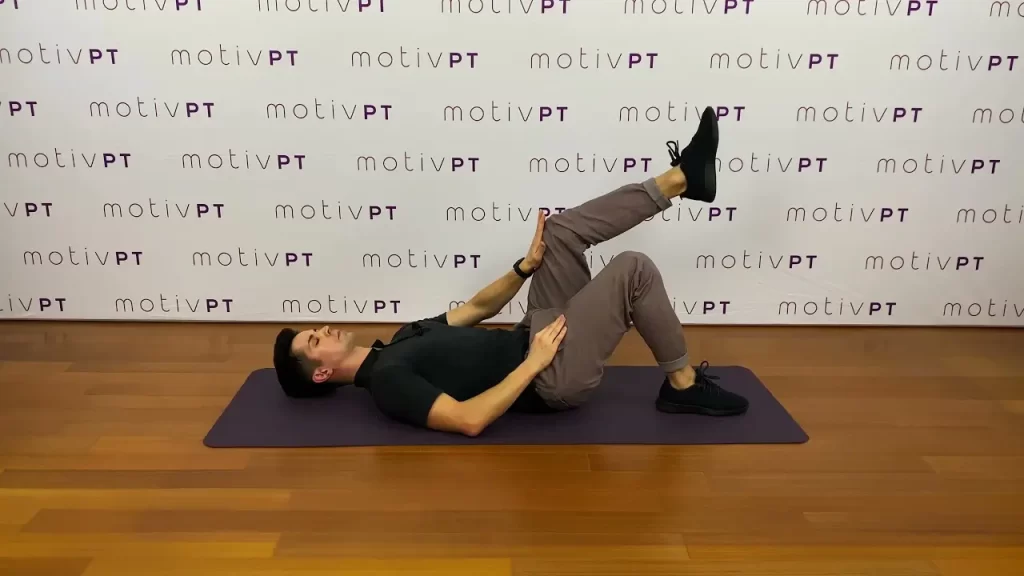
Back pain is a widespread issue that affects the muscles, ligaments, or spine, often caused by poor posture, heavy lifting, or repetitive strain. Severe cases may require medical intervention, but many mild to moderate back issues can be managed effectively at home. Incorporating targeted exercises into your daily routine can strengthen muscles, improve flexibility, and reduce discomfort. These are simple exercises that may be done at home and require no special equipment. It’s recommended to approach these movements cautiously and avoid any that cause sharp or severe pain.
Core-Strengthening Exercises
Strengthening your core muscles is one of the most effective ways to support your back and reduce strain; the core includes the abdominal, back, and pelvic muscles, which work together to stabilize your spine during daily activities. Weak core muscles may lead to overcompensation by the back, increasing the risk of discomfort or injury. Here are some exercises to build core strength:
- Pelvic Tilts: Lie on your back with your knees bent and feet flat on the floor. Tighten your abdominal muscles and press your lower back into the floor. Hold for five seconds, then release. Repeat this movement ten times.
- All-Fours Stretching: Begin on your hands and knees, keeping your back straight. Extend your left leg backward and hold the position for a few seconds. Return to the starting position and switch sides. Perform five repetitions per side.
- Bridges: Lie on your back with your knees bent and feet flat on the floor. Lift your hips until your body forms a straight line from your shoulders to your knees. Squeeze your glutes at the top, then lower your hips slowly. Aim for ten repetitions.
These exercises not only strengthen your core but also improve overall stability, which may help prevent future back issues.
Stretching Exercises
Stretching is recommended to relieve muscle tension and improve flexibility, both of which help manage back pain. Tight muscles can pull on the lower back, exacerbating discomfort, and regular stretching can alleviate this tension and promote better posture. Here are some effective stretches:
- Knee-to-Chest Stretch: Lie on your back with your knees bent. Pull one knee toward your chest, holding it with both hands for 20 seconds. Keep your lower back pressed to the floor and avoid bouncing. Repeat with the other leg.
- Cat-Cow Stretch: Start on your hands and knees. Arch your back upward, tucking your chin toward your chest (Cat Pose). Then, lower your stomach toward the floor while lifting your head and chest (Cow Pose). Alternate between these positions for five repetitions.
- Child’s Pose: From a hands-and-knees position, sit back onto your heels while stretching your arms forward on the floor. Rest your forehead on the ground and hold the position for 30 seconds, breathing deeply.
Incorporating these stretches into your daily routine can help maintain flexibility and reduce stiffness, making it easier to manage back pain over time.
Professional Intervention
While home exercises can be effective, they are not a solution for all types of back pain. If your discomfort is severe, persistent, or accompanied by symptoms like numbness, tingling, or weakness in the legs, consult a healthcare professional. Back pain resulting from a fall, accident, or unexplained weight loss should be evaluated promptly. Medical professionals can provide advanced diagnostic tools, such as imaging, to identify underlying issues and recommend tailored treatment plans. Ignoring these warning signs can lead to more significant problems, so it’s recommended to seek help when necessary.
Ask About Back Pain Today
Addressing back pain requires a proactive approach that combines consistent effort with informed decision-making. Starting with simple exercises at home can make a significant difference. Prioritize proper form and avoid rushing through movements. Building strength and flexibility takes time, and patience is key to achieving lasting results. Before beginning any new exercise routine, consult a healthcare provider to verify that the movements are appropriate for your specific condition. By taking these steps, you can take control of your back health.


Leave a Reply