


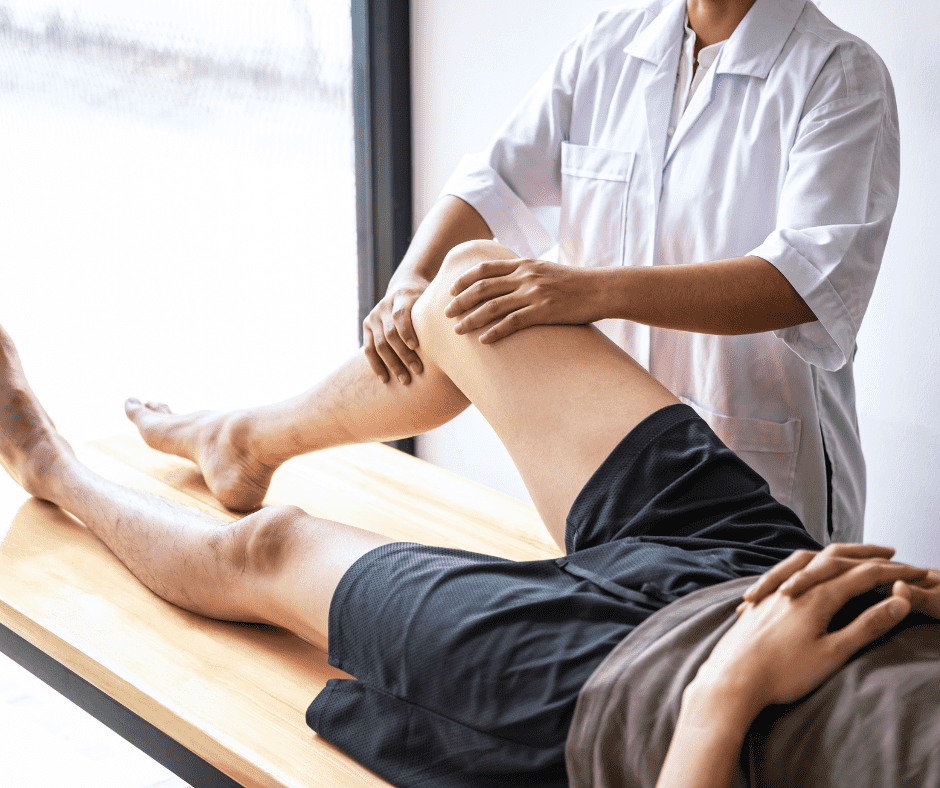
Knee pain affects people of all ages, and it may start suddenly after an injury or as mild discomfort that slowly worsens. The pain can originate from any of the bony structures of the knee joint, the kneecap, or the ligaments and cartilage. If you understand how to manage this discomfort at home, you can get some relief while you determine the next steps for your care. Here are some effective strategies for managing knee pain at home:
Take Pain Relievers
Over-the-counter medications are available for managing discomfort. You might find that nonsteroidal anti-inflammatory drugs, which are called NSAIDs, help reduce swelling and pain. Acetaminophen is another option for pain relief, but it does not address swelling. To do this, you could purchase these items at most pharmacies.
There are also topical options you may find useful, and these products come in several forms:
- Creams
- Gels
- Patches
These topicals are applied directly to the skin over the painful area. Because they are absorbed through the skin, they may offer localized relief. Read all product labels for proper usage instructions and any potential side effects.
Reduce Activities
Rest is a key component of managing knee pain. You should limit activities that worsen the pain, and you may need to avoid high-impact exercises for a period. This means pausing activities like running, jumping, or intense aerobics. Since simple rest gives your knee a chance to recover from strain, modifying your daily routine may also lessen stress on the joint.
Switching to low-impact exercises lets you stay active without straining your knee. While you are recovering, you can try activities like swimming or cycling. These movements put less pressure on your joints, so they are typically better tolerated. They also maintain muscle strength, which supports the knee.
Modifications to your environment can also make a difference. Using an elevator instead of stairs helps reduce daily strain, and you can also rearrange your home or workspace to limit bending and squatting. These small changes reduce the workload on your knees throughout the day, which gives them more opportunity to heal.
Apply an Ice Pack
Applying cold to the affected area is a straightforward way to get relief. Use an ice pack wrapped in a thin towel to protect your skin. This technique helps numb the area, which can temporarily lessen pain signals. Cold application also constricts blood vessels, helping to decrease swelling.
For ideal results, apply the ice pack for 15 to 20 minutes at a time. You can repeat this process several times throughout the day, but you should wait at least an hour between applications. Consistent use of cold therapy often provides noticeable, temporary relief from both pain and inflammation.
Elevate Knees
Elevating your knee can help reduce swelling, and you can prop your leg up on pillows while you are lying down. The goal is to raise your knee above your heart. This position uses gravity to help drain excess fluid away from the joint. Since it requires minimal effort, it is an easy step to add to your self-care routine, and it is a practical way to manage swelling.
Get Treated for Knee Pain
Home care strategies can provide temporary relief, but a healthcare professional can offer a diagnosis if the pain continues. Based on the findings, a provider can create a personalized treatment plan for you. Following professional guidance will give you an ideal path forward for managing your knee health. If you are experiencing persistent knee pain, schedule an appointment with a specialist today.



Leave a Reply